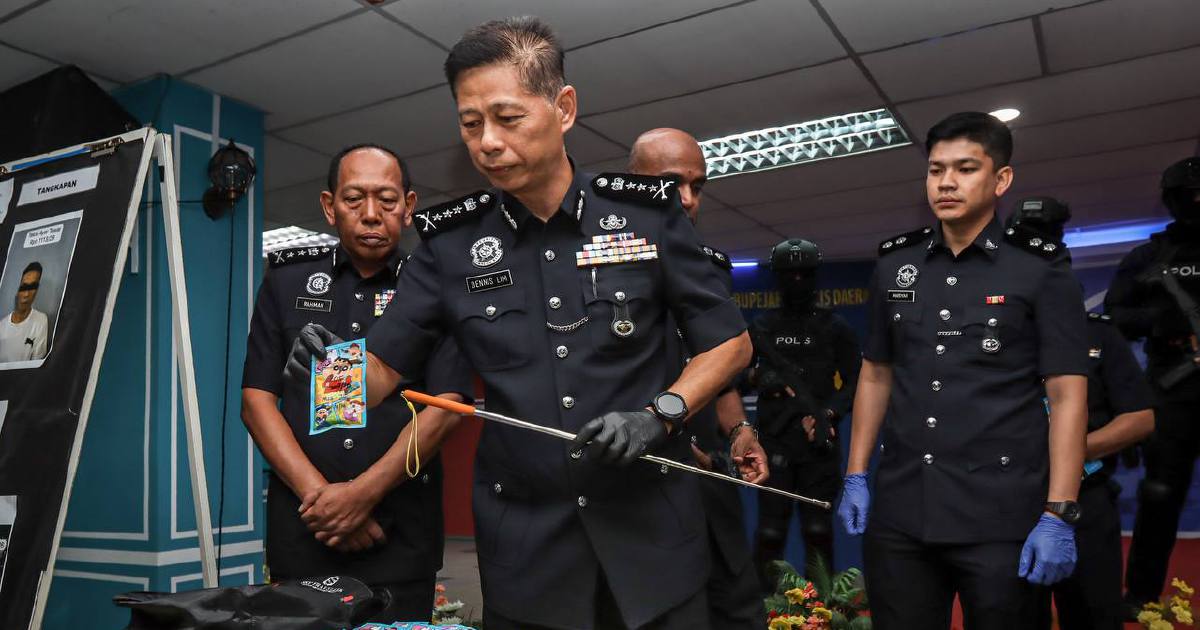
Penang's narcotics enforcement units have struck a substantial blow against the drug trafficking network operating within the state, intercepting a major consignment of MDMA and detaining a suspect during a raid executed in Teluk Air Tawar on Sunday. The operation resulted in the confiscation of 3.1 kilograms of the illicit substance, with authorities estimating its street value at approximately RM470,000. The seizure represents one of the more sizable hauls of synthetic drugs documented in the region in recent months.
The enforcement action underscores the persistent challenge that narcotics officers face in combating the trafficking of controlled substances across Penang and the broader Klang Valley corridor. MDMA, commonly known as ecstasy, remains a preferred recreational drug among younger demographics and continues to fuel criminal networks that profit substantially from its distribution. The scale of this particular interception suggests that organized smuggling operations continue to target the northern regions of Peninsular Malaysia, potentially using the state's ports and proximity to Thailand as transit points for contraband destined for domestic consumption or further distribution.
The individual apprehended during the operation now faces investigation under Malaysia's drug laws, which carry severe penalties for trafficking and possession with intent to distribute. Depending on the quantity involved and prosecutorial recommendations, sentences could extend to lengthy prison terms and substantial fines. The suspect's detailed background and the specific circumstances leading to the raid remain under police investigation, with authorities likely seeking to determine whether the detained individual operated as a mid-level distributor, a warehouse operator, or part of a larger syndicate network.
The Teluk Air Tawar location in Penang's industrial zones has historically featured in law enforcement reports concerning smuggling operations. The area's logistical infrastructure and relative accessibility to various transportation networks—including maritime routes and major roadways—potentially make it attractive to criminal groups seeking to stockpile or redistribute controlled substances. Police presence in such locations represents an ongoing effort to disrupt supply chains before drugs reach street-level dealers.
Synthetic drug trafficking constitutes a rapidly evolving dimension of Malaysia's broader narcotics crisis. While traditional opioids remain a significant concern within the country's drug enforcement landscape, the proliferation of MDMA and other designer substances reflects shifting patterns in international drug commerce. Southeast Asian nations have become increasingly important nodes within global supply chains for such substances, with production facilities in neighboring countries supplying regional demand. Penang's geographic position makes it particularly vulnerable to such trafficking patterns.
The monetary valuation of the seized consignment—RM470,000—reflects the substantial profit margins that motivate trafficking organizations to undertake substantial risks. Such valuations typically represent wholesale rather than street-level pricing, suggesting that the intercepted shipment was destined for distribution rather than personal consumption. The difference between wholesale and retail prices in the illicit drugs market generates enormous financial incentives for organized groups willing to navigate enforcement risks.
Enforcement agencies across Malaysia have progressively strengthened their synthetic drug monitoring and interdiction capabilities through intelligence sharing, controlled surveillance, and cooperation with international partners. However, the continued discovery of significant caches indicates that trafficking volumes remain substantial despite these efforts. The success rate of seizures relative to total quantities entering the market remains difficult to quantify, though law enforcement officials privately acknowledge that interdicted shipments represent only a fraction of overall trafficking flows.
The arrest's implications extend beyond immediate criminal proceedings. It potentially generates investigative leads concerning supplier networks, distribution channels, and downstream customers within Penang and neighboring states. Police typically employ arrested suspects as intelligence sources, leveraging interrogation and evidence analysis to uncover broader criminal architectures. Information derived from this case could trigger subsequent operations targeting other trafficking participants or facilitate coordination with neighboring state police forces.
Community and public health considerations accompany such enforcement actions. MDMA consumption, particularly within entertainment venues and among young adults, carries documented health risks ranging from acute physiological reactions to longer-term cognitive and psychological consequences. Prevention initiatives, coupled with treatment programs for individuals struggling with dependency, form essential complementary components to law enforcement responses. The Penang police's narcotics division operates within this broader ecosystem of interventions intended to minimize drug-related harms.
The operation demonstrates the ongoing resource commitments that Malaysian law enforcement agencies maintain toward drug interdiction. Personnel deployment, surveillance equipment, intelligence analysis capacity, and inter-agency coordination mechanisms require sustained investment and training. The success of this particular operation reflects accumulated enforcement experience and intelligence capabilities developed through years of operational experience within the narcotics landscape. However, the continued emergence of large seizures indicates that criminal organizations continue adapting their methods and routes to circumvent detection.
Looking forward, the Penang police force's enforcement priorities will likely maintain focus on synthetic drug trafficking whilst simultaneously addressing the traditional opioid crisis that continues claiming lives throughout Malaysia. The dual challenge of managing both pharmaceutical and street-level drug problems demands sophisticated resource allocation and strategic intelligence direction. Cases such as the Teluk Air Tawar seizure provide crucial windows into evolving trafficking methodologies, enabling refinement of enforcement strategies and enabling preventive measures to address supply-side vulnerabilities that criminal networks exploit.

