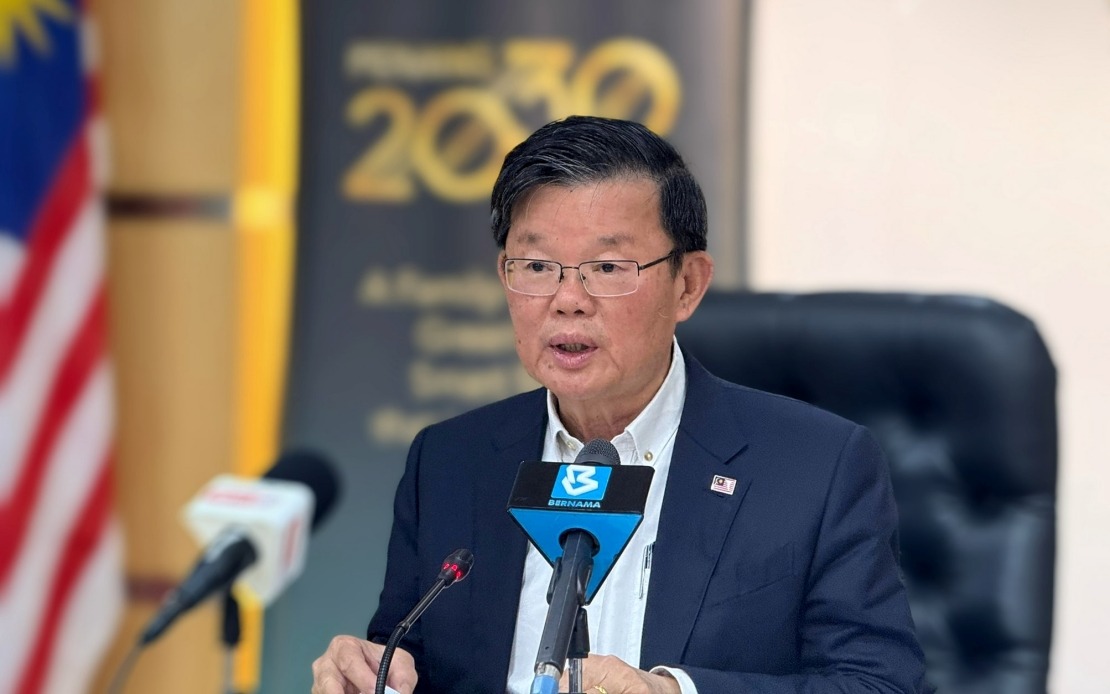
Penang's Pakatan Harapan coalition is embarking on a comprehensive strategic review to refine its positioning before the next general election, with party leadership instructing all subcommittees to convene meetings and deliver progress assessments during early August. The move, announced by Penang PH chairman Chow Kon Yeow in George Town on July 15, reflects the coalition's commitment to systematically evaluating its operational strengths and identifying areas requiring improvement across all organisational levels.
The coalition's approach centres on a detailed diagnostic exercise designed to understand its performance in key areas since the 2023 state election and to establish a stronger platform for future electoral contests. By requiring subcommittees to present formal progress reports, PH leadership aims to create accountability throughout the party structure while also generating actionable intelligence about grassroots sentiment, campaign effectiveness, and internal capacity. This structured methodology suggests the coalition recognises that winning elections in Malaysia's increasingly competitive political environment requires not just enthusiasm but systematic preparation and honest self-assessment.
Chow emphasised that the coalition welcomes constructive criticism and external perspectives that could help address identified weaknesses while consolidating proven advantages. This openness to feedback is notable in Malaysian politics, where parties often project an image of unified certainty regardless of underlying challenges. By publicly stating the coalition's willingness to reorganise strategies and incorporate fresh insights, Penang PH is signalling confidence in its position whilst acknowledging that electoral success demands continuous adaptation to shifting voter preferences and political circumstances.
The specific focus on strengthening advantages is equally important, as it reflects a recognition that Penang PH possesses genuine electoral assets worth amplifying rather than abandoning. The coalition's continued appeal among voters depends partly on voters perceiving that the PH-led government delivers tangible benefits, maintains clean administration, and offers competent governance. The review process will likely examine how effectively these messages reach voters and whether campaign structures adequately communicate the coalition's accomplishments and vision.
Stability within the broader Unity Government framework remains crucial to PH's long-term prospects in Penang. Chow's assurance that cooperation among component parties—DAP, PKR, Amanah, and BN—continues smoothly without friction suggests that the unusual arrangement forged after the 2023 election has weathered initial challenges. The absence of internal disputes over resource allocation, seat distribution, or policy direction indicates that consensus-building mechanisms are functioning adequately, though such stability in coalition politics is rarely permanent without ongoing attention.
The 2023 Penang state election outcome that created this Unity Government was significant. The PH-BN alliance collectively secured 29 of 40 contested seats, with DAP winning all 19 seats it contested, PKR securing seven, Amanah one, and BN two. This distribution means that DAP dominates the coalition's parliamentary representation in the state, creating both leverage and responsibility for the party in steering state policy direction. The fact that PKR and Amanah secured limited seats within Penang means they must carefully balance their roles in the state government while maintaining their broader relevance within the national PH coalition.
For Malaysian political observers, Penang remains a closely watched state given its status as a relatively prosperous, urbanised region where voter choices often diverge from national trends. The state's political dynamics influence perceptions of which coalitions command genuine public support versus those merely cobbling together temporary parliamentary majorities. A successful Penang PH refurbishment could demonstrate that the coalition possesses the organisational discipline and electoral appeal to compete effectively, while conversely, strategic missteps could undermine confidence in PH's ability to lead at the federal level.
The timing of this review process also matters strategically. By initiating comprehensive preparations in mid-2024, Penang PH is building momentum gradually rather than rushing into last-minute campaign mode once an election date approaches. This methodical approach allows time for identified weaknesses to be addressed through systematic effort rather than reactive improvisation. It also enables the coalition to test revised messaging and organisational approaches at smaller scales before deploying them across broader electoral campaigns.
The broader Southeast Asian context adds another dimension to Penang's strategic recalibration. Across the region, political coalitions face increasing voter demands for tangible delivery, transparent governance, and responsive policies. Penang's Unity Government must demonstrate that its partners can work together effectively to address contemporary challenges including economic competitiveness, sustainable development, and inclusive growth. The internal review therefore likely extends beyond narrow electoral mechanics to encompassing questions about what the coalition stands for substantively and how it intends to improve citizens' lives.
For voters in Penang and across Malaysia, the coalition's self-critical examination process itself carries symbolic value. Political parties and coalitions that openly acknowledge weaknesses and commit to addressing them appear more credible than those projecting manufactured perfection. Chow's public discussion of the review process indicates awareness that modern voters, particularly those in urbanised states like Penang, respond positively to transparency and self-reflection rather than authoritarian pronouncements of certainty.
The success of Penang's PH coalition ultimately depends on translating these strategic discussions into concrete improvements in campaign organisation, policy communication, and voter engagement. The August progress reports will therefore represent an important checkpoint rather than a conclusion. Sustained effort in implementing revised strategies, combined with demonstrable achievements by the Penang state government, will determine whether the coalition strengthens its electoral position or gradually loses momentum heading into the next national contest.

