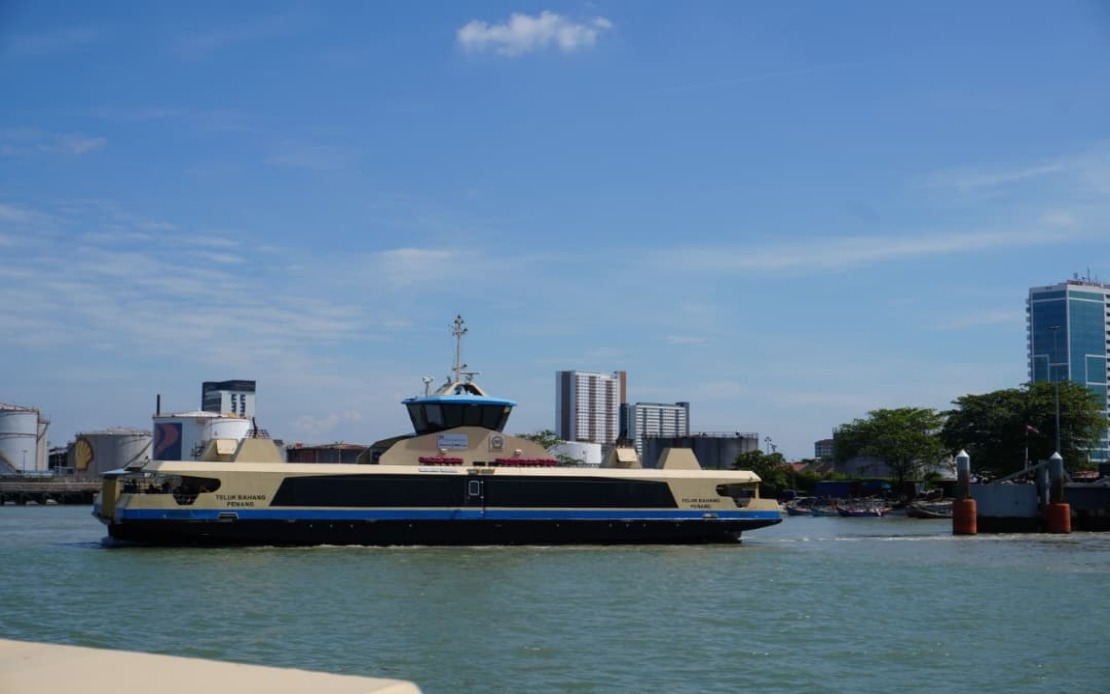
Penang's two inter-terminal ferry services will operate at no charge for Malaysian passengers on August 31 as part of festivities marking the nation's 69th National Day. The initiative, jointly launched by the Penang Port Commission (SPPP) and Penang Port Sdn Bhd (PPSB), will maintain regular sailing schedules across both Sultan Abdul Halim Terminal in Seberang Perai and Raja Tun Uda Terminal in George Town, according to SPPP chairman Datuk Yeoh Soon Hin.
The complimentary service represents a concerted effort to make inter-island travel more accessible during Malaysia's most significant national celebration. By removing financial barriers to ferry usage on this symbolic date, the port authorities hope to encourage residents and visitors alike to experience one of Penang's most iconic transportation corridors. The move aligns with broader strategic objectives to position public transport as an attractive alternative to private vehicles, particularly during peak travel periods when congestion typically intensifies across the island.
Financial savings for passengers will be substantial for those regularly utilising the service. Pedestrians normally pay RM2 per single crossing, whilst motorcycle riders contribute RM2.50 per journey. When multiplied across the expected volume of travellers on National Day, these cumulative savings represent a meaningful gesture of goodwill from both organisations. Historical data from previous National Day celebrations provides insight into potential usage patterns, with authorities recording 9,185 foot passengers and 1,874 two-wheeled vehicles crossing during the previous year's festivities.
This complimentary scheme serves dual strategic purposes beyond mere celebration. The port authorities explicitly cite traffic congestion reduction as a primary objective, recognising that encouraging ferry usage diverts vehicle movements away from the congested Penang Bridge and Sultan Halim Muadzam Shah Bridge. For Malaysia's second-largest metropolitan area, which consistently struggles with traffic management during peak periods, redirecting even a fraction of inter-island travel to maritime routes offers tangible relief to road networks. The environmental dimension further justifies the initiative, as ferries represent a significantly more sustainable transport mode compared to private automobiles, producing lower emissions per passenger kilometre.
The SPPP and PPSB partnership demonstrates how government-linked entities can coordinate to deliver citizen-focused policies during commemorative occasions. Rather than treating National Day as merely a ceremonial date, these organisations have leveraged the opportunity to deliver practical benefits aligned with transportation policy objectives. This approach creates positive associations between public institutions and public service, potentially strengthening citizen perceptions of government effectiveness in delivering everyday conveniences.
Complementing the ferry service initiative, SPPP is marking its own 70th anniversary—its Platinum Jubilee—this year through a separate promotional campaign. In partnership with the Penang Ferry Museum, the port authority is running the 'Kids Go Free Merdeka Special' programme, which grants Malaysian children aged 12 and below complimentary museum admission from August 29 through 31. This extension of the free-entry concept to cultural heritage facilities demonstrates how multiple public institutions can coordinate their initiatives to create a cohesive celebration period that serves distinct demographic segments.
The ferry museum programme carries particular significance for younger Malaysians, many of whom may lack detailed knowledge about the Penang ferry system's historical role in the state's development. By facilitating free access during National Day, authorities create opportunities for family engagement with maritime heritage, potentially fostering deeper understanding of the infrastructure systems that underpin daily life. Educational institutions might leverage this three-day window to organise school visits, expanding the programme's reach beyond casual family tourists.
For commuters in the George Town and Seberang Perai corridor who rely on ferry services throughout the year, August 31 represents an opportunity for meaningful savings, though the single-day complimentary status emphasises that this remains a special occasion gesture rather than a shift toward permanently subsidised fares. The contrast between the August 31 initiative and regular pricing structures highlights how public transport policy operates within fiscal constraints, requiring authorities to balance accessibility objectives against operational sustainability requirements. This reality resonates particularly for Malaysian readers accustomed to navigating public service budgetary limitations across various sectors.
The timing of this announcement, made on August 28, provides Malaysian travellers with a three-day advance notice to adjust travel plans accordingly. Those planning inter-island movements can prioritise ferry usage on August 31, deferring other non-essential road journeys. This advance communication allows for more informed decision-making and demonstrates organisational efficiency in publicising government initiatives. For regional publications serving Malaysian readership, coverage of such practical, citizen-focused policies provides valuable information that directly affects readers' everyday experiences and household expenses.

