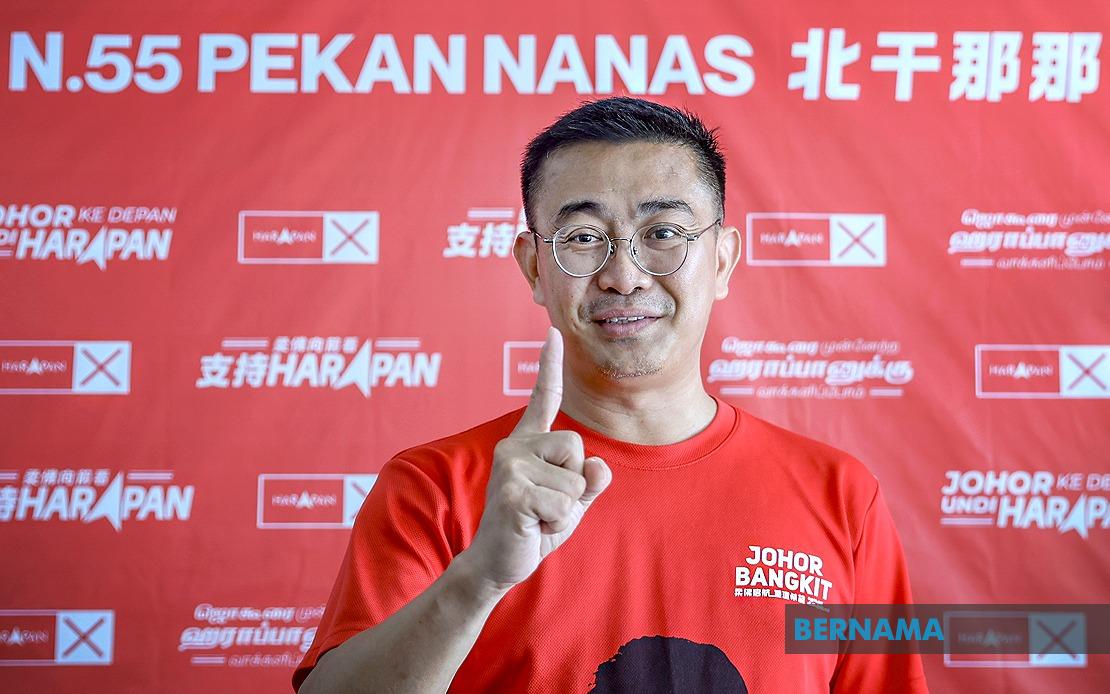
Yeo Tung Siong, the Pakatan Harapan contender for Pekan Nanas in the unfolding Johor state election, is counting on his previous tenure as assemblyman to win back a seat he held across two consecutive terms before stepping down in 2022. Speaking in Pontian, the former vice-principal and discipline teacher expressed conviction that his legislative track record demonstrates his commitment to constituents and warrants their renewed confidence in his candidacy.
The foundation of Yeo's campaign strategy rests on systematic grassroots engagement throughout the constituency. He estimates having encountered approximately 60 per cent of the electorate through diverse community interactions—walkabouts in neighbourhood streets, organised talks addressing constituent concerns, small group meetings, direct visits to homes, and outreach at community hubs including public markets and food establishments. This extensive canvassing effort, he contends, has yielded uniformly positive feedback, suggesting momentum heading into polling day.
Yeo's approach to constituent relations emphasises accessibility and pragmatic problem-solving. Rather than emphasising ceremonial aspects of political office, he describes himself as someone who remains readily contactable and prepared to personally intervene when constituents face difficulties. This philosophy, he suggests, distinguished his previous service and distinguishes his renewed bid, positioning him as a representative who prioritises responsiveness over formal protocol.
During his earlier tenure, Yeo points to concrete infrastructure achievements that addressed longstanding community grievances. His efforts secured a RM500,000 government allocation dedicated to rectifying the Pulai River's flood-prone course, tackling what locals had endured for years. Additionally, he partnered with private enterprises to construct drainage infrastructure bordering Kampung Melayu Raya, demonstrating collaborative approaches to resolving environmental challenges that directly affected residents' safety and wellbeing.
Currently canvassing the constituency, Yeo identifies two recurring themes animating voter concerns: congested traffic conditions that frustrate daily commutes and insufficient employment pathways for younger residents seeking stable livelihoods. These issues have emerged repeatedly across his campaign conversations, signalling their prominence in constituents' minds as they assess candidates.
Addressing traffic congestion, Yeo has committed to championing two shortcut infrastructure projects should he regain the mandate. The first involves constructing a route linking Ulu Pulai with Pekan Nanas, whilst the second would connect Pulai with the Sri Bunian junction. Collectively, these corridors promise to substantially compress travel durations between Pontian and Johor Bahru, potentially alleviating the bottlenecks that currently plague residents' mobility and economic productivity.
On employment generation, Yeo pledges to resurrect and expand a career carnival programme he previously organised whilst serving as assemblyman. This initiative, conducted in partnership with major regional employers, created pathways for locals to secure positions with reputable companies operating within Pekan Nanas' vicinity. Reactivating this scheme would demonstrate sustained commitment to addressing job scarcity—a particularly salient concern amid persistent economic pressures on household incomes.
Beyond infrastructure and employment, Yeo emphasises strengthening the social safety net for vulnerable constituents. He intends to intensify coordination with government welfare agencies, particularly the Social Welfare Department (JKM) and the Social Security Organisation (SOCSO), ensuring that residents facing financial hardship or other difficulties receive timely and appropriate assistance. This welfare-focused dimension reflects recognition that economic development and infrastructure alone remain insufficient without targeted support mechanisms for those in precarious circumstances.
The electoral contest in Pekan Nanas has crystallised into a direct confrontation between Yeo and the incumbent assemblyman Tan Eng Meng, representing Barisan Nasional. This one-on-one competition, absent other strong challengers, transforms the election into a referendum on each candidate's record and vision. For Yeo, the narrative centres on his prior accomplishments and the risk of losing institutional knowledge accumulated during his two terms; for Tan Eng Meng, the challenge involves defending his tenure against a experienced opponent who retains name recognition and demonstrated policy achievements.
The stakes in this contest extend beyond Pekan Nanas itself, reflecting broader dynamics within the 16th Johor state election. Results here carry implications for PH's performance across the state and may influence momentum heading into potential future federal contests. Yeo's campaign, rooted in constituent engagement and tangible past achievements, represents a traditional political strategy—one that prioritises demonstrated performance and accessibility over contemporary social media-centric approaches, potentially resonating with voters who value direct personal relationships with representatives.

