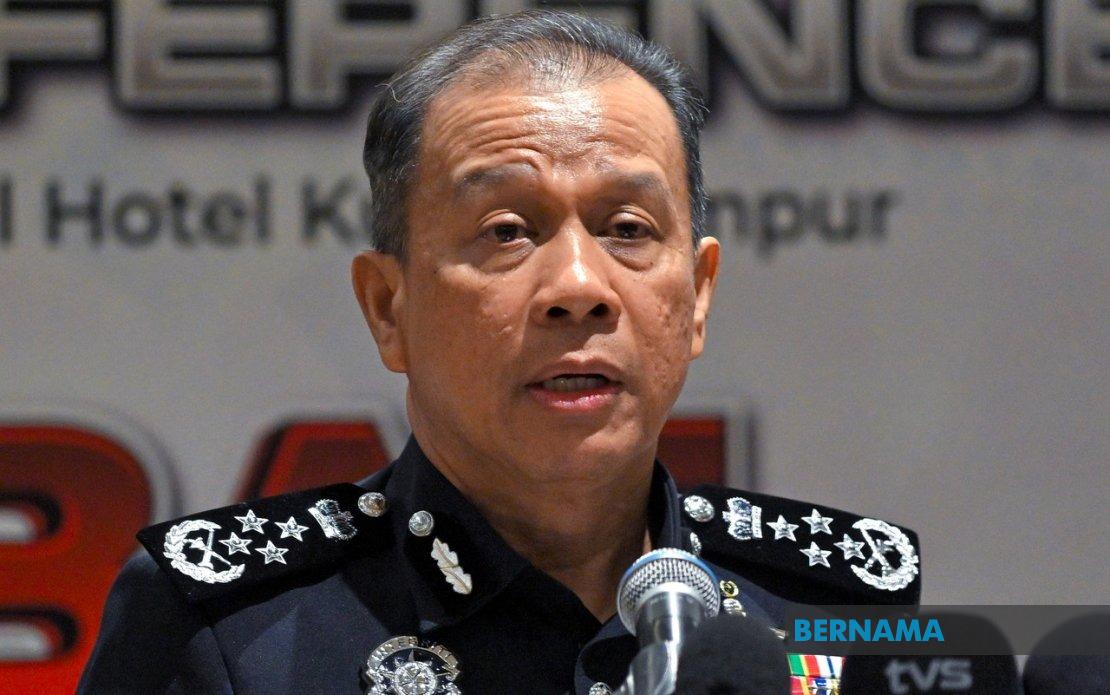
Malaysia's aviation security framework is set to be reinforced following a Cabinet directive to integrate police officers directly into the Aviation Security (AVSEC) operational structure at the nation's airports. The move represents a significant expansion of the Royal Malaysia Police's role in safeguarding commercial air transport, reflecting growing concerns about vulnerabilities within the sector that could be exploited for illicit purposes or security breaches.
Inspector-General of Police Tan Sri Mohd Khalid Ismail confirmed the PDRM's readiness to participate fully in this collaborative arrangement, signalling the police force's commitment to working alongside existing aviation security frameworks. The initiative follows a high-profile incident involving a Malaysian pilot detained by Indonesian authorities on suspicion of drug smuggling, an occurrence that exposed potential gaps in the current screening and oversight systems governing personnel access to sensitive aviation facilities.
The implementation of police personnel within AVSEC teams is not an ad-hoc security response but rather the first phase of a comprehensive overhaul involving multiple government entities. The PDRM is coordinating with the Home Ministry, the Ministry of Transport, and various related agencies to establish precise operational protocols. These consultations address fundamental structural questions including the specific duties assigned to police officers, their deployment locations within airport terminals and restricted zones, staffing numbers, departmental responsibilities, and mechanisms for inter-agency operational synchronisation.
The rationale underpinning this initiative centres on the unique capabilities that law enforcement personnel bring to aviation security operations. Police officers possess training in intelligence gathering, threat assessment, and investigative techniques that complement the existing AVSEC framework. Tan Sri Mohd Khalid highlighted that police involvement would enhance the sharing of intelligence across agencies, enable swifter identification of suspicious activities or individuals, facilitate coordinated enforcement responses, and enable immediate intervention against threats or criminal activity targeting aviation infrastructure or procedures. This layered approach recognises that modern security challenges require the integration of multiple professional disciplines and operational perspectives.
The enhanced security regime being developed transcends simple personnel deployment. Officials envisage a more sophisticated ecosystem incorporating tightened access control mechanisms, more rigorous passenger and baggage screening procedures, intensified security inspections, systematic risk assessment protocols, and strategic partnerships among all stakeholders in the aviation sector including airlines, airport operators, customs authorities, and intelligence agencies. This integrated approach acknowledges that aviation security operates across multiple interconnected systems, and vulnerabilities in one area can cascade through others if left unaddressed.
The implementation of intelligence-driven security controls represents a philosophical shift in how Malaysia approaches aviation threats. Rather than relying primarily on reactive responses after incidents occur, the new framework emphasises preventive capability, enabling authorities to identify and neutralise risks before they materialise. Such an approach reduces operational disruption to legitimate passenger and cargo flows while closing potential gaps that sophisticated criminal networks or malicious actors might otherwise exploit. The deputy inspector-general and other officials have publicly underscored that this initiative prioritises both the safety of flights operating from Malaysian airspace and the security of the nation's international entry and exit points.
For Malaysia's aviation sector, this development carries significant implications. Airlines operating domestic and international services, ground handlers, airport staff, and passengers will navigate operational adjustments as police presence becomes embedded within security checkpoints and restricted areas. The government has signalled zero tolerance for any attempt to utilise aviation channels for smuggling or other criminal purposes, suggesting that enforcement intensity will increase tangibly in the months ahead. International aviation partners and regulatory bodies will be monitoring how effectively the integrated PDRM-AVSEC model functions in practice.
The timing of this initiative reflects broader Southeast Asian security dynamics. The region has witnessed recurring instances of contraband trafficking via air transport, ranging from narcotics to endangered wildlife, with significant portions of illicit materials transiting through major regional hubs. Malaysia's major airports, particularly those in Kuala Lumpur and Penang, occupy critical positions within regional flight networks, making them both vulnerable to exploitation and essential to protect. By strengthening controls unilaterally, Malaysia signals its commitment to preventing its airspace from becoming a preferred corridor for organised criminal activity.
Implementation timelines remain fluid as the PDRM and partner agencies work through administrative and operational details. The coordination required is substantial, encompassing training protocols for police officers assigned to AVSEC duties, clarification of command structures and accountability chains, integration of police databases with existing aviation security information systems, and establishment of escalation procedures for handling suspected threats. Each of these elements requires careful calibration to ensure that security enhancements do not create bottlenecks that impede legitimate aviation operations.
The Cabinet's decision also reflects confidence in the PDRM's institutional capacity to extend its operational reach beyond traditional law enforcement domains into the more specialised arena of aviation security. This expansion reinforces the police force's positioning as a multi-functional security entity capable of contributing expertise across diverse sectors. However, success will depend substantially on the quality of training provided to deployed personnel and the clarity of operational guidelines governing their conduct within the aviation security environment.
Stakeholders across Malaysia's aviation ecosystem, from international carriers to airport authorities and passenger advocacy groups, will likely scrutinise how smoothly the transition unfolds in practice. Early implementation phases will prove crucial in determining whether the integration of police personnel enhances security effectiveness without introducing bureaucratic friction or inconsistency in screening procedures across different airports. The government's commitment to this path suggests it views the benefits of enhanced threat detection and law enforcement coordination as outweighing any temporary disruption to normal airport operations.

