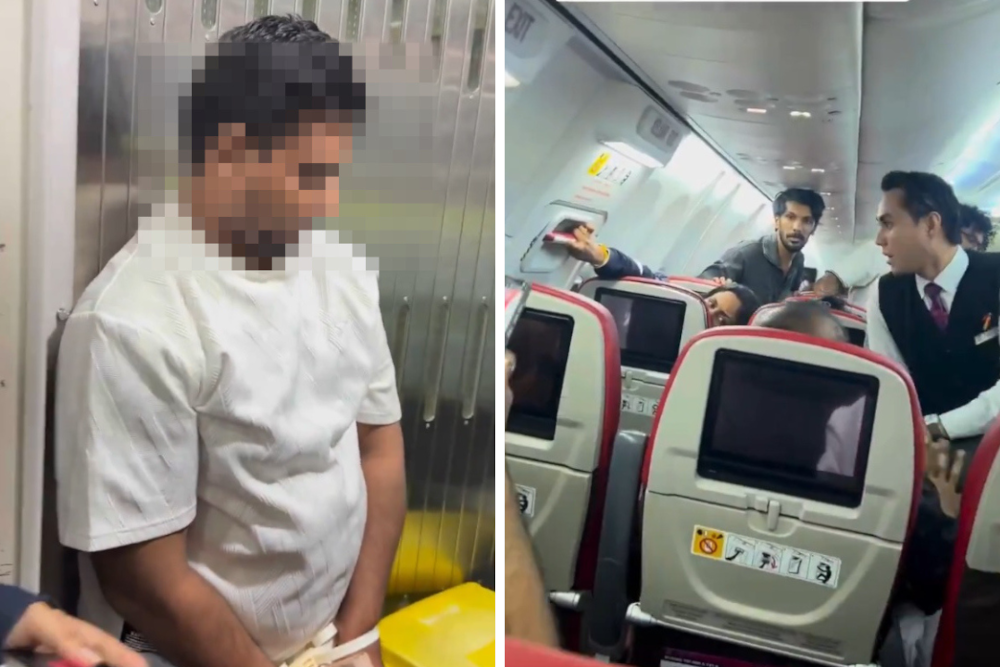
A man has been apprehended following an alarming incident aboard a Batik Air flight from Malaysia to India in which he allegedly attempted to open an emergency exit door whilst the aircraft was at cruising altitude of 9,144 metres. The incident underscores persistent vulnerabilities in in-flight safety procedures and highlights the evolving challenges faced by airlines operating across Southeast Asia.
The aircraft was engaged in routine operations when the passenger made his apparent attempt to access the emergency exit. Flight crew members intervened swiftly to prevent any breach of the cabin's structural integrity, preventing what could have been a catastrophic situation at altitude. Authorities apprehended the individual upon landing, launching an investigation into the circumstances surrounding the incident.
The emergency exit door on modern commercial aircraft represents one of the most critical safety mechanisms in aviation. These doors are engineered with multiple fail-safes and cannot be opened whilst the aircraft is pressurised, a fundamental design principle that has protected millions of passengers. However, the very existence of such an attempt raises questions about passenger screening processes and the effectiveness of in-flight monitoring systems, particularly on regional carriers serving busy routes across Southeast Asia.
Batik Air, a subsidiary of Malaysia-based Malindo Airways, operates a network of flights connecting major cities throughout the region. The airline carries thousands of passengers weekly on routes like the Malaysia-India corridor, which represents a significant traffic stream for the carrier. The incident will inevitably prompt a review of security protocols aboard the airline's fleet, potentially leading to enhanced crew training and passenger monitoring procedures.
This occurrence reflects a broader pattern of unruly behaviour recorded on aircraft globally in recent years. Post-pandemic aviation has witnessed elevated instances of passenger disruptions, ranging from mask-wearing disputes to aggressive confrontations with crew members. The incident aboard the Batik Air flight, however, presents a more serious classification as it involved an apparent attempt to compromise aircraft safety systems rather than merely disruptive conduct.
Airline authorities and international aviation bodies have long recognised that preventing such incidents requires a multi-layered approach. Ground-level passenger screening, crew vigilance, cabin monitoring technology, and rapid response protocols all form essential components of modern aviation security. The swift intervention by flight crew in this instance demonstrates the importance of rigorous training programmes that prepare staff to respond effectively to emerging threats during flight operations.
Malaysian aviation authorities will likely conduct a thorough examination of how the passenger was able to reach the emergency exit door and what measures were in place to prevent such access. Such investigations typically result in recommendations for procedural amendments that filter through to other operators in the region. The Civil Aviation Authority of Malaysia and international oversight bodies monitor such incidents closely, using data to refine safety standards across the industry.
For regional airlines, this incident carries operational implications beyond the immediate security concern. Public perception of aviation safety remains fundamental to passenger confidence and demand. Whilst the aircraft's safety systems functioned as designed to prevent any actual breach, the psychological impact of such an event on travellers cannot be dismissed. Airlines operating regionally must balance transparent communication about safety measures with assurance that their protocols remain robust.
The investigation will likely examine multiple factors contributing to the incident, including whether the passenger exhibited warning signs during boarding, whether any medical or psychological factors were involved, and whether in-flight crew protocols were followed optimally. Such examinations often reveal operational insights that benefit the broader aviation community. Airlines throughout Southeast Asia monitor such developments closely, recognising that lessons learned from isolated incidents can enhance industry-wide safety performance.
The detention of the passenger following landing ensures that authorities can investigate his motives and mental state through proper legal channels. This approach recognises that aviation security incidents sometimes involve individuals requiring psychiatric evaluation rather than purely criminal prosecution. Malaysian authorities are well-positioned to conduct such assessments given the country's experience managing complex aviation incidents.
Looking forward, this incident will likely inform discussions within aviation regulatory circles regarding optimal emergency exit design, passenger accessibility controls, and crew training protocols. Manufacturers and operators continuously refine procedures based on real-world operational experience, ensuring that theoretical safety margins translate into practical protection.
For Malaysian travellers and the broader Southeast Asian aviation market, the incident serves as a reminder that whilst modern aircraft incorporate extraordinary safety features, the human element remains central to aviation security. The response of crew members in this instance, their ability to prevent escalation, and the systematic post-incident procedures initiated by authorities all demonstrate the comprehensive safety architecture upon which commercial aviation depends. Regional carriers must maintain the highest standards in crew training, passenger management, and emergency response protocols to sustain the confidence that enables millions to travel safely across Asia.

