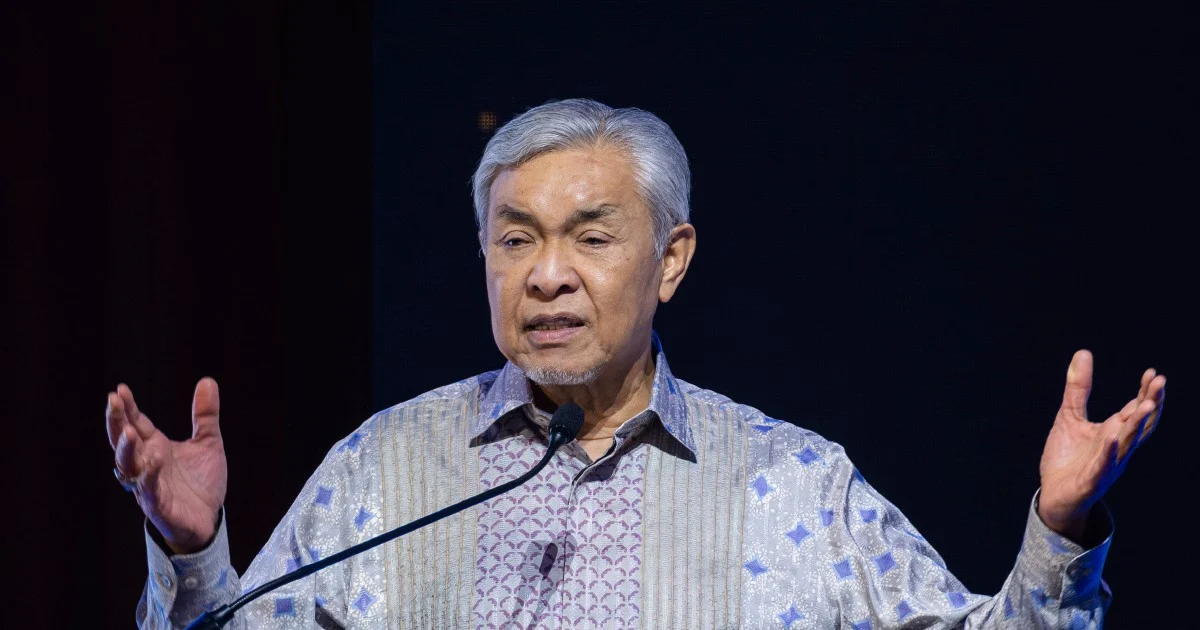
Barisan Nasional's deputy chairman Datuk Seri Zahid Hamidi has moved to temper expectations around potential electoral gains from PAS's recent instructions to its grassroots supporters, cautioning that such moves do not necessarily translate into straightforward victories for the ruling coalition in the upcoming Johor state election. Speaking in Kota Tinggi, Zahid acknowledged the Islamic party's public call for its members to refrain from backing Pakatan Harapan candidates in constituencies where PAS is not contesting, but warned against reading too much political advantage into this positioning.
The nuance in Zahid's remarks reflects the complex three-way competition emerging in Malaysian electoral politics, where traditional BN dominance increasingly faces pressure not only from the opposition coalition but also from internal coalition dynamics. PAS, which quit the Pakatan Harapan alliance in 2020 and returned to partnership with UMNO through Barisan Nasional, has been seeking to consolidate its own electoral base even as it nominally campaigns alongside BN partners. This tension between individual party interests and coalition strategy has become a recurring feature of Malaysian elections since the 2018 political earthquake that first unseated Barisan Nasional from federal power.
Johor holds particular strategic significance for both Barisan Nasional and the broader Malaysian political landscape. The state, long considered a BN stronghold, has undergone significant political shifts in recent years. The 2023 general election demonstrated shifting voter preferences and the capacity of opposition coalitions to challenge established power structures even in traditionally conservative territories. A Johor state election victory would provide Barisan Nasional with valuable momentum heading into future contests and validate its political recovery narrative since returning to federal government in 2022.
Zahid's cautious framing suggests that party strategists recognize the inherent unpredictability of voter behaviour, particularly when multiple political forces are competing simultaneously in the same electoral space. Voters may choose to support PAS candidates while declining to back Barisan Nasional's UMNO or MIC representatives, even if PAS leadership publicly discourages support for Pakatan Harapan. The instruction itself does not guarantee that party members will comply uniformly, nor does it prevent independent voter decisions based on local issues, candidate quality, or lingering grievances against specific parties.
The electoral landscape in Johor has become increasingly fragmented in recent election cycles. Where Barisan Nasional once enjoyed overwhelming majorities, recent contests have seen closer margins and successful challenges from opposition-backed candidates in previously safe seats. This transformation reflects demographic changes, younger voters with different political preferences, economic pressures affecting household voting decisions, and the penetration of social media activism that bypasses traditional party machinery. Local issues—from water supply and infrastructure development to education and employment opportunities—often matter more to voters than broader coalition-level calculations or party leadership directives.
PAS's positioning reflects a broader strategic challenge facing the coalition. The Islamic party operates simultaneously as a BN partner at the national and state levels while maintaining strong connections to its Islamist voter base, which sometimes pulls in different directions from UMNO's more pragmatic, multiethnic-focused approach. Public directives about not voting for opposition candidates serve multiple purposes: they demonstrate PAS's independence and leadership visibility, signal to conservative religious voters that the party maintains principled positions, and create some pressure on Pakatan Harapan without necessarily binding party members to follow every instruction.
Analysts familiar with Malaysian electoral patterns note that such public announcements frequently carry more symbolic than practical electoral weight. Party leadership cannot compel voter behaviour through statements; they can only recommend and encourage. In pluralistic elections where multiple attractive options exist, some supporters inevitably vote according to personal preference rather than central directives. Additionally, undecided voters or swing voters may not be aware of or influenced by statements directed at party members, particularly if local campaigns or candidate appeal work in different directions.
The Johor election also intersects with broader questions about coalition stability and internal party dynamics within Barisan Nasional. UMNO has reasserted dominance within the coalition since returning to federal power, which creates some tension with partners like MIC and PAS who maintain significant membership and want guaranteed constituencies and policy influence. Election outcomes that fail to deliver overwhelming victories can exacerbate such tensions or alternatively vindicate particular parties' strategic approaches. Zahid's remarks may partly reflect awareness that strong results cannot be guaranteed through such tactical moves alone, and that attributing electoral outcomes solely to PAS's voter directives would oversimplify the complex factors driving electoral behaviour.
For Malaysia and Southeast Asia more broadly, the Johor election serves as a regional barometer of political trends. Malaysia's electoral system and multiethnic democracy face increasing pressures from polarization, coalition instability, and voter volatility. How Barisan Nasional performs in a state it has traditionally dominated provides insights into the durability of established political orders and the momentum available to opposition forces across Southeast Asia, where similar patterns of electoral contestation and coalition-building dominate political competition.
Looking forward, Barisan Nasional's Johor campaign will necessarily rely on broader appeals beyond tactical directives from coalition partners. Campaign messaging about economic development, service delivery improvements, and political stability will likely prove more influential than statements about voting patterns. The party will also need to mobilize its own supporters effectively and ensure strong ground organization across constituencies. Zahid's cautious message essentially acknowledges these realities, tempering expectations and setting a more measured framework for evaluating potential election results when they arrive.

