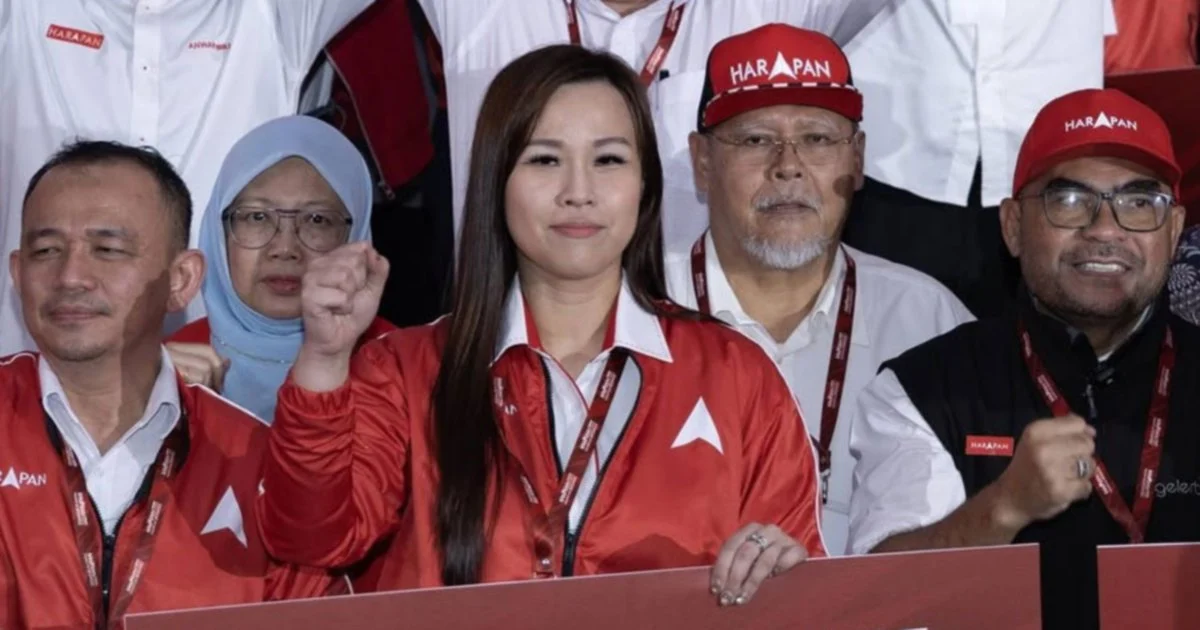
The Pasir Gudang division of Amanah has announced it will not campaign for Pakatan Harapan's candidate Sharon Teo in the upcoming Johor state election, marking a significant internal fracture within the opposition coalition just weeks before the 16th state assembly polls. The decision represents a public rejection of the party's candidate selection process, with local party members expressing deep frustration over what they characterise as a top-down appointment that bypassed grassroots consultation and local consensus-building.
The term "parachute candidate" in Malaysian politics refers to an aspirant imposed by party leadership without proper engagement with divisional delegates or community stakeholders. Such appointments have become increasingly contentious across Malaysian political parties, as they often sideline long-serving party members who have invested years building grassroots networks and local credibility. For Amanah, a party that emerged from PKR on promises of internal democracy and member empowerment, the allegation carries particular sting and suggests tensions between the party's ideological commitments and centralised decision-making practices.
The Permas state constituency encompasses the Pasir Gudang parliamentary area, making local Amanah members key stakeholders in the electoral strategy. Their public boycott signals that Sharon Teo faces an uphill battle in securing the grassroots machinery typically essential for effective campaigning at the state level. Without volunteer support from party activists, candidate visibility in neighbourhoods, and the extensive door-to-door work that determines election outcomes, even an officially endorsed candidate operates at significant disadvantage.
This rupture within Pakatan Harapan's Johor operations comes at a delicate moment for the coalition. The opposition bloc has struggled to maintain unity in Johor following internal disputes and defections in previous electoral cycles. The state remains crucial to any national political realignment, given its 56 state seats and its status as a demographic powerhouse in the broader Malaysian electoral landscape. Cracks in coalition discipline now could translate into fragmented voter messaging and reduced campaign effectiveness across multiple constituencies.
Amanah's Pasir Gudang decision reflects broader tensions within Malaysian opposition politics around candidate selection. Many grassroots members across various parties feel marginalised by selection processes dominated by senior leaders and their advisors. When candidates are announced without preceding consultation or when selection criteria remain opaque, it breeds resentment and suspicions of nepotism, patronage, or factional power-play. These dynamics become particularly acute in constituencies where sitting or recently active party members felt they should have been considered.
The party leadership now faces pressure to either defend the Sharon Teo selection through dialogue with Pasir Gudang members or risk further defections. How Amanah handles this internal disagreement will likely set the tone for other divisions questioning their assigned candidates. The response could either reinforce perceptions of the party as hierarchically rigid or demonstrate willingness to engage seriously with member concerns, even if ultimately defending the leadership's choice.
For Sharon Teo specifically, the boycott declaration creates immediate practical challenges. She will need to build personal credibility and campaign infrastructure without relying on established party machinery in a key neighbourhood cluster. This often forces candidates to become more visible in community spaces, engage directly with residents on local issues, and build candidate-centric rather than party-centric voter appeals. While such grassroots effort occasionally yields dividends, it requires substantially more personal effort and resources than traditional party-backed campaigns.
The Johor state election context amplifies this internal discord's significance. The state has witnessed significant political volatility, with coalitions reshaping between elections and voter sentiment shifting in response to local governance issues alongside national political developments. In this fluid environment, internal coalition cohesion becomes essential for projecting stability and competence to undecided voters. Visible fractures suggest discord about decision-making quality or leadership judgment, undermining confidence in the coalition's readiness for government.
Regionally, the Johor situation reflects tensions visible across Southeast Asian opposition movements. As ruling parties consolidate power and opposition coalitions struggle to remain unified across multiple elections, internal selection disputes have emerged as recurring flashpoints. The choice between democratic participation in candidate selection and strategic centralisation by leadership remains largely unresolved across the region's political systems. How Malaysian opposition parties navigate these tensions increasingly affects their electoral viability and public perceptions of their democratic credentials.
The road to the 16th Johor state election will likely see further negotiations between Amanah's central leadership and the Pasir Gudang division. The boycott announcement may represent an opening position in internal negotiations rather than final word, though the public nature of the declaration makes simple resolution difficult without addressing underlying concerns about consultation and inclusion. How this unfolds will offer indicators about whether Malaysian opposition parties can resolve internal disputes while maintaining coalition coherence during critical electoral moments.