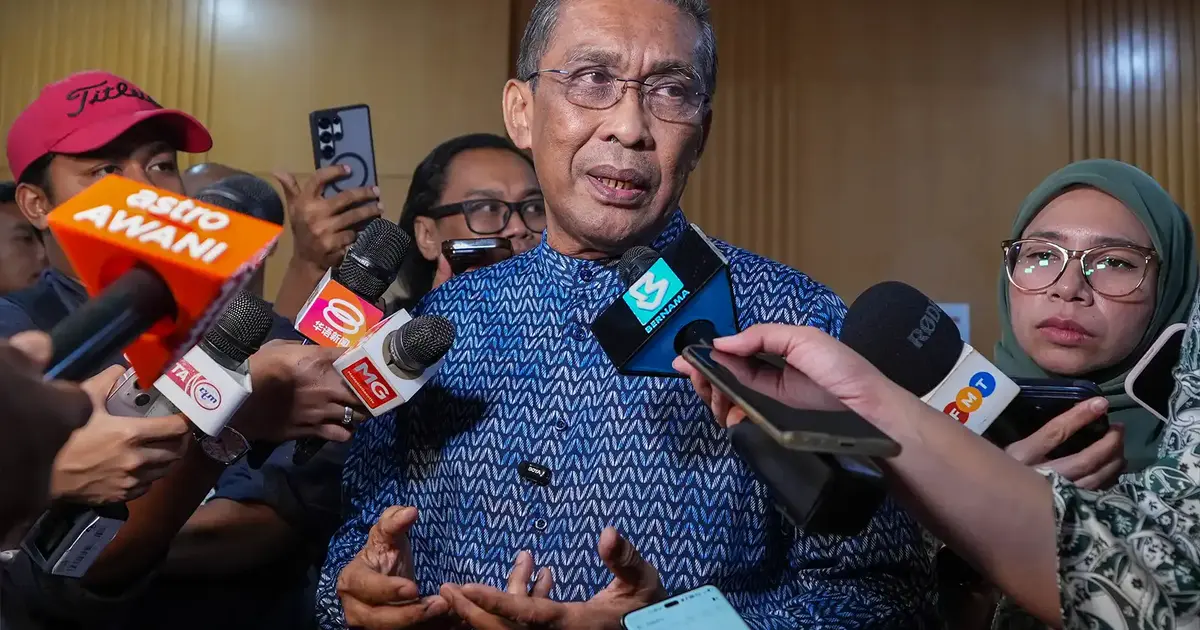
The PAS muktamar, the party's highest decision-making assembly, will serve as a significant platform for grassroots evaluation of the Islamist party's strategic direction, particularly regarding its evolving relationship with Umno. Party secretary-general Takiyuddin Hassan confirmed that a formal motion addressing the scope and parameters of PAS-Umno cooperation will be placed before delegates for deliberation, signalling the party's commitment to democratic internal processes on major policy decisions.
This move reflects the political complexity that has defined PAS's trajectory since the 2022 general election, when the party achieved unprecedented parliamentary representation. The alliance with Umno, formalised through various electoral pacts and governmental arrangements, has fundamentally reshaped Malaysia's political landscape by consolidating conservative Malay-Muslim political forces. By bringing the motion to the muktamar floor, party leadership opens the cooperation framework to scrutiny and discussion among the broader membership, which extends well beyond senior echelons.
The inclusion of Muslim unity as a concurrent debate theme underscores PAS's positioning as the nation's leading Islamic-oriented political entity. This framing suggests the party views its Umno partnership not merely as a transactional electoral arrangement but as a component of a larger vision for consolidating Muslim-majority political influence. Muslim unity in Malaysian politics remains contested terrain, with differing interpretations of what such unity entails across various constituencies and organisational structures.
For regional observers, this muktamar represents a crucial juncture in understanding post-2022 Malaysian political consolidation. PAS's dramatic electoral gains have shifted traditional assumptions about Malay-Muslim political representation, previously dominated by Umno's decades-long hegemony. The public tabling of cooperation frameworks signals confidence in the party machinery while also acknowledging that such significant alignments warrant transparent discussion among party faithful rather than top-down imposition.
The timing of this motion holds particular significance given Malaysia's evolving political economy. The 2023 Budget, subsequent fiscal policies, and the trajectory of development priorities all reflect influence from coalition partners. PAS delegates will evaluate whether the partnership has delivered tangible benefits to their constituencies and whether the terms of cooperation adequately protect party interests and Islamic governance principles that form the party's ideological foundation.
Delegates attending the muktamar will likely articulate diverse perspectives on optimal terms for Umno collaboration. Some may advocate for deeper integration and shared governance structures, while others might caution against subordinating PAS identity to broader coalition imperatives. These internal dynamics, played out in democratic forums, carry implications for the stability of current federal and state governmental arrangements.
The muktamar also provides opportunity for examining Muslim unity beyond the PAS-Umno axis. Discussions may extend to relations with smaller Malay-Muslim constituencies, potential outreach to moderate Islamic movements, and positioning relative to PAS's international Islamic networks. How delegates frame Muslim unity will reveal underlying assumptions about religious versus political identity in the Malaysian context.
For Southeast Asia, Malaysian Islamic political movements' internal coherence remains analytically important. PAS's evolution toward mainstream governance, rather than pure opposition politics, demonstrates how Islamist parties navigate power-sharing arrangements. The outcomes of this muktamar may influence how other regional Islamic movements conceptualise cooperation with secular or differently-oriented political partners.
Umno's perspective on this muktamar motion deserves consideration. As the historically dominant Malay-Muslim party now sharing space with an ascendant rival, Umno may monitor closely how PAS rank-and-file respond to their alliance. The motion process itself represents transparency that could either strengthen mutual confidence or expose fissures in the partnership that both parties have invested significantly in cementing.
The broader Malaysian electorate will gain insight into PAS's internal democratic functioning through coverage of muktamar debates. Public perception of how thoroughly the party engages with these questions, whether leadership faces genuine challenge or largely ceremonial discussion, affects credibility assessments of PAS as both a governing party and democratic institution. Transparency about cooperation frameworks and Muslim unity definitions serves public interest in understanding how major political coalitions function.
Moving forward, the muktamar outcomes may establish clearer parameters for PAS-Umno engagement, potentially formalising relationship boundaries and mutual expectations. Whether the motion results in strengthened commitment, negotiated modifications, or conditional support will ripple through subsequent policy implementation at federal and state levels, affecting everything from religious affairs administration to development priorities in PAS-dominated constituencies.
The decision to formally table these questions represents PAS's confidence in its organisational depth and grassroots engagement. Rather than managing cooperation entirely through leadership channels, opening debate to delegates suggests party leadership believes this approach enhances legitimacy and durability of whatever arrangements are ultimately affirmed.

