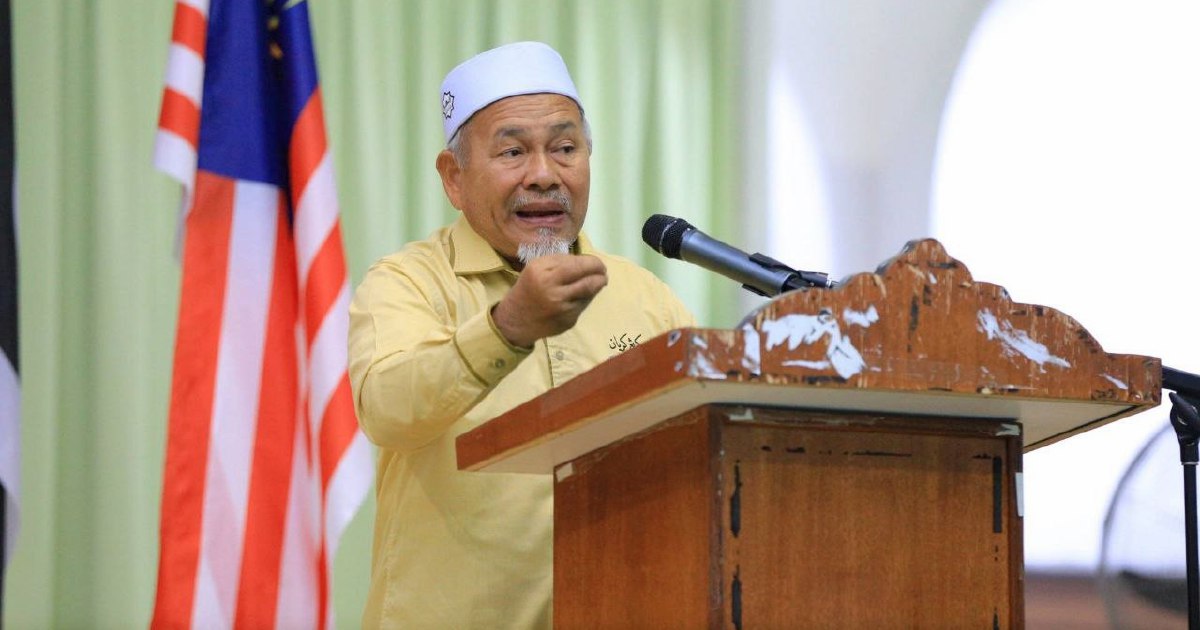
PAS is moving towards a more accommodating stance on electoral arrangements with UMNO, opening the door to potential seat-sharing negotiations for upcoming state and parliamentary contests. Deputy president Datuk Seri Tuan Ibrahim Tuan Man made the remarks in Temerloh, where he indicated the party's willingness to explore reciprocal seat allocations with its coalition partner, contingent on meeting certain agreed criteria.
The overture from PAS represents a pragmatic shift in the political positioning of Malaysia's Islamist party, which has historically maintained distinct electoral boundaries with UMNO despite their Perikatan Nasional alliance. Seat-swapping arrangements represent a tactical approach where parties voluntarily cede constituencies to coalition partners deemed better positioned to win, maximizing combined representation in legislative bodies. For PAS, such flexibility could strengthen its negotiating position within the broader coalition structure while potentially securing the most winnable seats for its own candidates elsewhere.
The significance of this proposal extends beyond simple logistics. Malaysia's electoral landscape remains fractured across peninsular and East Malaysian constituencies, with different regions favouring different political combinations. In areas where UMNO commands stronger organizational machinery and voter loyalty, particularly in Klang Valley and southern Selangor, stepping aside could allow the Malay-Muslim majority party to consolidate opposition gains. Conversely, PAS retains considerable influence in East Coast states and pockets of the northern peninsula, where its Islamic messaging and grass-roots networks continue to resonate with core constituencies.
The conditions PAS has attached to such negotiations remain unspecified, but observers suggest they likely involve guarantees about representation in state executive councils, ministerial portfolios, and policy influence within any resulting government. Previous coalition arrangements between these partners have occasionally produced friction over ministry allocation and decision-making authority, particularly on religious and security matters where their ideological emphases diverge. By conditioning seat swaps on undefined requirements, PAS may be signalling its intention to secure concrete assurances before surrendering electoral ground.
Temerloh itself carries symbolic weight as the location for this announcement. The Pahang parliamentary constituency has alternated between party control multiple times over recent electoral cycles, reflecting broader volatility in Malaysian politics and voter preferences. Selecting Temerloh as the venue suggests PAS intends to demonstrate its relevance in a pivotal region where both major coalition components compete for influence, whilst signalling to UMNO that its cooperation cannot be taken for granted without meaningful reciprocal commitments.
The timing of this proposal warrants examination within the context of Malaysia's evolving political economy. Both PAS and UMNO face pressure to deliver tangible benefits to constituencies and demonstrate effective governance following recent electoral shifts. Seat-sharing arrangements could prove attractive if they increase the coalition's chances of capturing additional seats through strategic concentration of resources, thereby expanding their collective legislative majority and strengthening negotiating positions in parliament. For voters in constituencies where seat swaps occur, however, the implications remain more ambiguous, potentially reducing direct electoral choice and subordinating local representation to broader coalition arithmetic.
Historically, Malaysian electoral coalitions have struggled to maintain discipline across seat-swapping agreements without triggering internal disputes. The People's Alliance during the first decades of independence managed relatively successful coordination, but more recent attempts at pre-election alliances have sometimes unravelled amid disagreements over seat allocation criteria and candidate selection. UMNO and PAS must establish transparent mechanisms for determining which seats each party contests, lest local party branches rebel against central directives or candidate imposition generates grassroots resentment among supporters.
From a regional perspective, PAS's openness to closer electoral coordination with UMNO reflects broader trends across Southeast Asian politics where national coalitions increasingly require sophisticated bargaining over legislative representation. Thailand, Indonesia, and the Philippines have all witnessed rising complexity in pre-election alliance negotiations, with parties trading seats strategically to maximize combined influence. Malaysia's experience demonstrates that such arrangements demand substantial trust and institutional maturity, qualities that have sometimes proven elusive in previous attempts.
The practical mechanics of seat swaps demand consideration as well. Voters may experience confusion if the parties do not clearly communicate which candidates will represent their constituencies, potentially creating headaches for campaign managers and election observers. Media coverage and public discourse around seat-swapping must emphasize the strategic logic of such arrangements whilst maintaining transparency about the criteria determining which seats each partner contests. Without clear public communication, seat-swapping risks appearing as opaque backroom dealing that undermines voter confidence in democratic processes.
Looking ahead, the specifics of PAS's conditions and UMNO's response will substantially influence whether these preliminary discussions crystallize into formal agreements. Both parties must balance coalition loyalty with the need to satisfy their respective party bases, which often harbour different ideological commitments and electoral priorities. The outcome will likely shape not merely the structure of upcoming campaigns, but also the composition of any resulting government and the distribution of influence among coalition members. For Malaysian voters and the broader political system, PAS's flexibility signals that pragmatism increasingly guides electoral negotiations, even as fundamental questions about representational fairness and democratic legitimacy persist.

