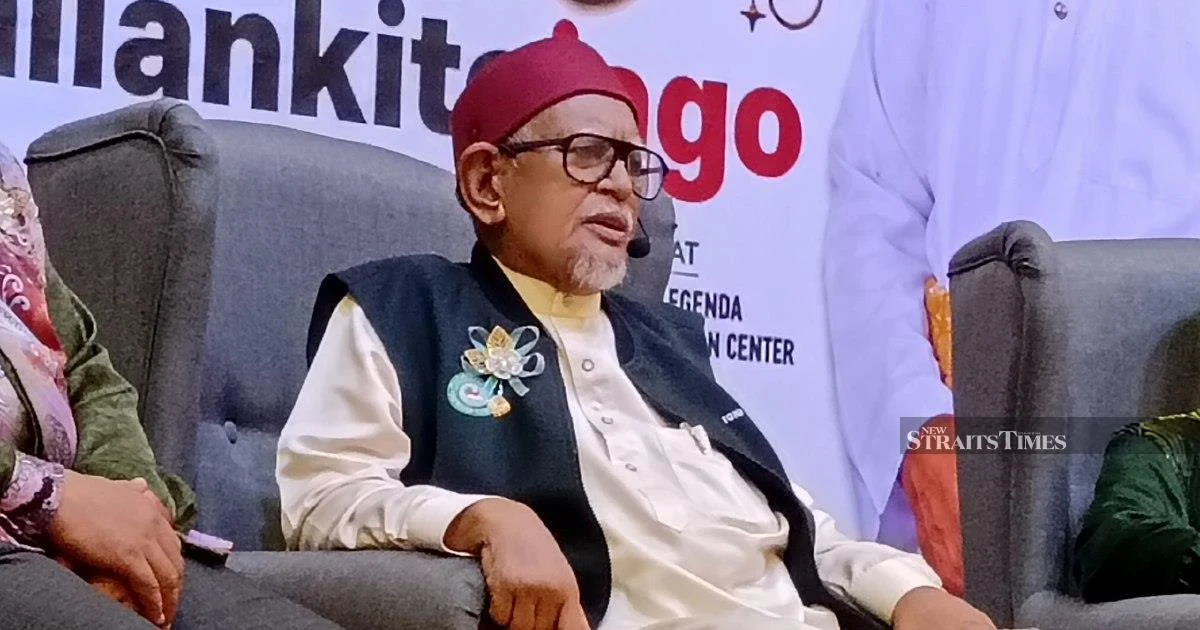
The political landscape in Negri Sembilan is shifting as PAS signals pragmatic willingness to accommodate Umno in the upcoming state elections slated for August 1. During comments in Seremban, PAS leadership indicated that the party would consider endorsing an Umno politician as the menteri besar candidate, provided ongoing negotiations between the two parties yield a concrete electoral arrangement. This development reflects the fluid nature of Malaysian state-level politics, where coalition-building often requires significant compromises from participating organisations to maximise their combined electoral prospects.
The potential arrangement between PAS and Umno underscores the broader realignment within Malaysia's Islamist and Malay-nationalist political spheres. While the two parties have historically maintained distinct organisational identities and voter bases, recent years have witnessed increased cooperation, particularly in states where securing power requires combining electoral resources. The Negri Sembilan negotiations demonstrate that neither party views ideological purity as an impediment to pursuing electoral advantage, a pragmatic stance common in coalition politics across Southeast Asia.
Negri Sembilan represents strategically important territory for both parties. The state has traditionally been influenced by both Umno's organisational machinery and Malay-Muslim constituencies sympathetic to PAS messaging. By forging an alliance for the August 1 election, the two parties aim to prevent fragmentation of the Malay-Muslim vote, which could benefit opposition coalitions or independent candidates. This calculation reflects lessons learned from previous state elections where divided Malay-majority support allowed non-Umno, non-PAS candidates to secure unexpected victories.
The menteri besar position carries considerable symbolic and practical importance within Negri Sembilan's political hierarchy. Whoever assumes the role will oversee state development projects, allocate resources to local constituencies, and shape policy affecting the state's 1.1 million residents. The willingness of PAS to potentially cede this senior position to Umno suggests that the party prioritises securing representation in the state legislative assembly and lower-ranking ministerial posts, where individual assemblypersons can exercise significant local influence.
Ongoing negotiations between the parties will likely hinge on specific seat allocations and the distribution of candidacies across Negri Sembilan's constituencies. State elections in Malaysia typically involve bargaining over which party receives the most winnable seats, how deputy and other ministerial positions are shared, and what development or policy concessions are granted to each coalition partner. These technical discussions often prove more contentious than the headline agreement to cooperate, as individual party leaders and ambitious politicians lobby for safer constituencies or higher-profile positions.
The timing of this announcement matters significantly. With the election just weeks away, both parties must finalise arrangements quickly to allow proper campaigning and resource allocation. Delays in concluding seat negotiations have historically disadvantaged coalitions, creating confusion among voters and demoralising grassroots party workers unaware of the final candidate slate. PAS and Umno are therefore under pressure to transform their broad agreement into concrete seat allocations that their respective party machinery can execute effectively.
For Malaysian voters, particularly those in Negri Sembilan, this arrangement raises questions about representation and ideology. PAS supporters accustomed to the party's Islamist positioning may question cooperation with Umno, which they historically viewed as insufficiently Islamic in governance. Conversely, Umno voters concerned about PAS's social policies may harbour reservations about the partnership. Both parties must convince their respective supporters that the coalition serves broader political interests that transcend internal party philosophies.
The broader Malaysian political context makes this arrangement noteworthy. At the federal level, Umno and PAS have experimented with cooperation under various frameworks, most recently within the Perikatan Nasional coalition before its dissolution. State-level experiments in Negri Sembilan and other territories provide testing grounds for whether sustained cooperation between the two parties remains viable, information highly relevant as speculation persists about potential federal-level realignments ahead of the next general election.
International observers of Malaysian politics view such coalition negotiations as windows into the country's ongoing democratic evolution. The willingness of parties to cooperate across traditional divides, though driven primarily by electoral mathematics, represents a pragmatic acknowledgment that power requires compromise. However, this transactional approach to politics sometimes creates unstable coalitions vulnerable to defections when circumstances shift or when politicians perceive greater advantage in alternative arrangements.
The eventual outcome in Negri Sembilan will provide valuable data about voter receptivity to PAS-Umno cooperation. If the alliance performs strongly, it may encourage similar arrangements in other states or even catalyse discussions about federal-level coordination. Conversely, disappointing electoral results could convince either party that the partnership lacks political value, potentially pushing them toward independent campaigns or alternative alliances in future contests.
PAS and Umno face a critical window to finalise their Negri Sembilan pact while maintaining internal party cohesion and voter confidence. The months leading to August 1 will determine whether their negotiations translate into an effective electoral machine or stumble over unresolved disputes over candidacies and positions. For Negri Sembilan residents, the outcome will significantly shape governance and development priorities for the coming legislative term.

