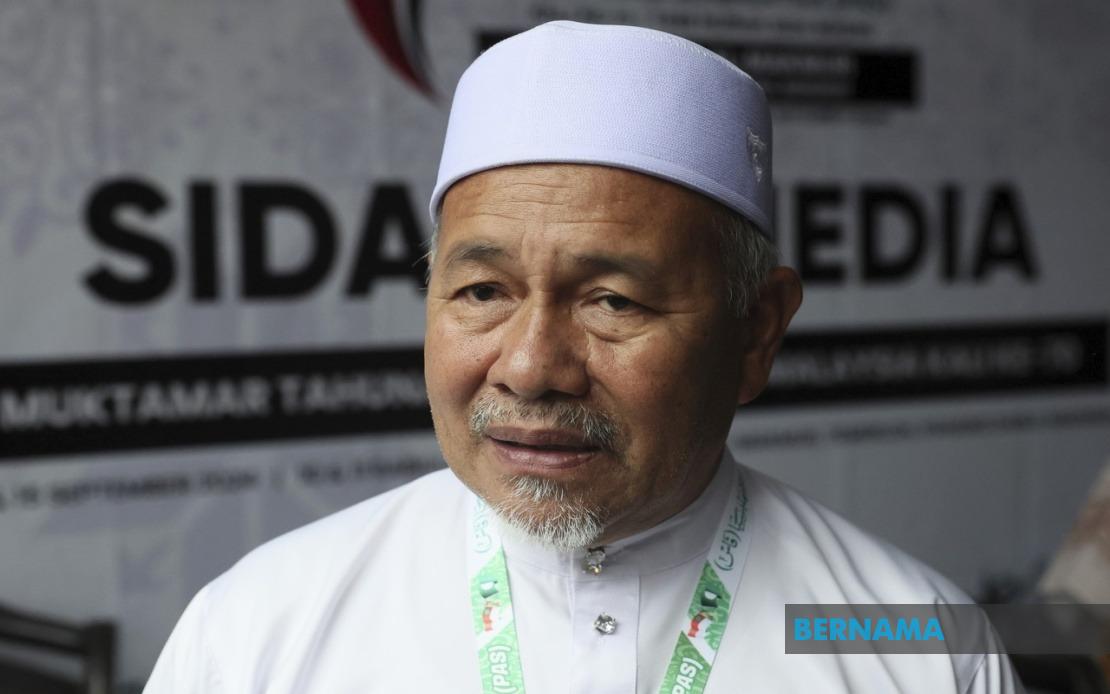
The political pressure to bring fugitive businessman Low Taek Jho, better known as Jho Low, to face justice in Malaysia has intensified, with PAS leadership making a forceful case that the country must pursue its own legal remedies regardless of international developments. Speaking at a divisional gathering in Kota Bharu, PAS deputy president Datuk Seri Tuan Ibrahim Tuan Man underscored Malaysia's obligation to prosecute the 1Malaysia Development Berhad (1MDB) scandal architect within its own courts, setting the stage for a potential clash with broader geopolitical considerations that could shield the fugitive from accountability.
Tuan Ibrahim's comments arrive at a critical juncture, as international media reports have surfaced suggesting that Jho Low may feature among approximately 250 individuals being considered for presidential clemency by United States President Donald Trump. The timing coincides with celebrations of America's Independence Day, a symbolic moment that has raised alarms among Malaysian officials invested in the case. Yet the PAS leader's position reflects a fundamental assertion: Malaysia possesses a robust legal framework and should not subordinate its prosecutorial interests to American foreign policy decisions.
The 1MDB scandal remains one of the most consequential financial crimes of the 21st century, with allegations that vast sums were siphoned from the state investment fund into private hands. Jho Low, as a principal architect of the scheme, stands accused of orchestrating a complex web of offshore transfers and shell companies designed to obscure the theft. The scale of the economic damage extends beyond the headlines; Malaysia's reputation as a financial hub and investment destination has borne the cost of association with the scandal, and the unresolved status of its alleged mastermind represents an ongoing wound to national credibility.
Tuan Ibrahim emphasised that Malaysia, as the primary victim of Jho Low's machinations, bears the strongest claim to jurisdiction and should not defer to the outcomes of foreign proceedings. His argument carries constitutional weight: Malaysian courts operate under an independent legal system capable of hearing evidence, assessing culpability, and imposing sentences. By implying that the country should follow Washington's lead, Tuan Ibrahim suggested, Malaysia would effectively outsource its sovereignty and diminish the significance of the harm inflicted on its own people and institutions.
The deputy PAS president also called upon authorities to accelerate extradition procedures, a recognition that the practical challenge of bringing Jho Low before Malaysian courts hinges on securing his physical custody. Jho Low's whereabouts have long remained opaque, with reports placing him in various jurisdictions over the years. The extradition process itself requires navigating bilateral treaties, mutual legal assistance arrangements, and the cooperation of countries where he may be sheltering. Without such cooperation, even a robust Malaysian conviction would be symbolic rather than enforceable.
Prime Minister Datuk Seri Anwar Ibrahim weighed in on the controversy just hours before Tuan Ibrahim's remarks, reasserting the government's commitment to pursuing Jho Low through Malaysia's legal apparatus. Anwar's statement, made despite the swirling reports of a potential US pardon, signalled that the administration would not passively accept a scenario in which the fugitive escaped accountability through foreign clemency. This public reaffirmation of intent may serve multiple purposes: it reassures the Malaysian public that leadership remains determined, and it signals to international partners that Malaysia expects cooperation in apprehending and extraditing the suspect.
The prospect of presidential clemency from Trump underscores the vulnerability of Malaysia's case to geopolitical shifts beyond its control. If a pardon were granted, it would not erase Jho Low's exposure to Malaysian courts, as pardons issued by one sovereign power do not bind others. However, a US pardon could complicate extradition arrangements, particularly if Jho Low were using American territory as a refuge. It would also send a troubling signal about the prioritisation of different national interests, with the United States potentially valuing other considerations—diplomatic, commercial, or political—above support for international financial accountability.
For Malaysian readers, the unresolved Jho Low case remains emblematic of deeper anxieties about institutional capture and impunity at elite levels. The 1MDB scandal implicated not merely private actors but also government officials, sovereign wealth fund managers, and financial institutions. The ability to bring a prime suspect to trial constitutes a fundamental test of the Malaysian legal system's capacity to hold powerful individuals accountable. Failure to do so, particularly if that failure stems from a foreign pardon, would reinforce perceptions that extreme wealth and international connections can insulate perpetrators from consequences.
The dispute also reflects broader Southeast Asian concerns about transnational financial crime. Malaysia sits at the crossroads of major shipping and trading routes, making it vulnerable to money laundering and illicit capital flows. A precedent in which a major financial fraudster escapes prosecution sends a signal to other would-be perpetrators about the permissiveness of the regional legal environment. Conversely, a successful prosecution would bolster the credibility of Malaysian financial regulation and institutional governance.
Tuan Ibrahim's framing of the issue in terms of national interest and legal independence carries rhetorical force in Malaysian political discourse. PAS has positioned itself as a champion of Islamic principles of justice and accountability, and the call to try Jho Low domestically aligns with messaging about restoring moral and institutional integrity. However, the party's influence over actual prosecutorial outcomes remains limited; those decisions rest with the Attorney General's office, police, and eventually the courts.
Looking ahead, the intersection of Malaysian legal determination and international diplomatic dynamics will likely determine whether Jho Low ever answers charges in a Malaysian courtroom. The PAS position articulates a clear preference for domestic jurisdiction, but translating that preference into reality requires both locating and securing custody of a fugitive who has successfully eluded apprehension for years. Whether Prime Minister Anwar's government can mobilise sufficient diplomatic leverage to override potential American considerations remains an open question with significant implications for Malaysia's standing as a nation governed by law.

