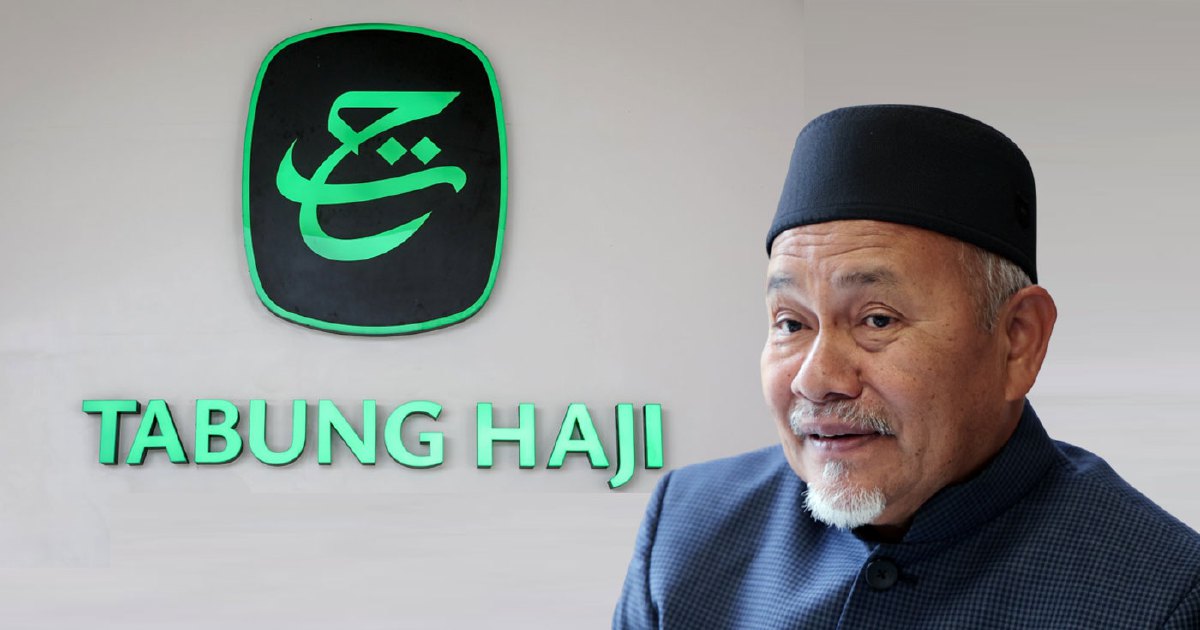
The Islamic party PAS has thrown its backing behind the government's initiative to convene a special parliamentary sitting dedicated to scrutinising the findings of the Royal Commission of Inquiry into Tabung Haji, signalling potential cross-party consensus on addressing longstanding concerns about the hajj fund administrator. PAS deputy president Datuk Seri Tuan Ibrahim Tuan Man's endorsement represents a significant development in what has been a politically sensitive dossier, particularly given the fund's integral role in facilitating pilgrimage for Malaysian Muslims and its substantial accumulated assets.
The announcement of the special sitting follows months of heightened public and parliamentary attention on Tabung Haji's governance, financial management, and transparency practices. The Royal Commission of Inquiry was established to investigate allegations and concerns surrounding the organisation's operations, and its report has sparked demands across the political spectrum for comprehensive reform. By formally endorsing this legislative initiative, PAS has positioned itself as a constructive force in the reform agenda while simultaneously positioning itself to monitor implementation.
Tuan Ibrahim's welcome of the parliamentary session came with an explicit caveat: the government must move beyond debate and discussion to concrete action. This dual posture—approval of the process coupled with insistence on tangible outcomes—reflects broader public frustration with previous inquiries and reports that have generated significant political discussion but limited material change. The PAS leader's emphasis on follow-up action speaks to a recognition among stakeholders that rhetorical commitment to reform must translate into legislative amendments, structural reorganisation, or other binding measures.
Tabung Haji's significance extends far beyond routine fund management. With assets exceeding RM70 billion and serving nearly 10 million members, it functions as a crucial financial intermediary for Muslim Malaysians seeking to fulfil the hajj obligation. The organisation's governance therefore carries religious, social, and economic dimensions that make it subject to scrutiny from multiple constituencies: regulatory authorities, religious bodies, consumer advocates, and the Muslim community itself. Any failures or deficiencies in its operations thus resonate across these interconnected domains.
The push for a special parliamentary sitting reflects recognition that Tabung Haji matters warrant elevated legislative attention rather than routine departmental oversight. Such sittings are reserved for matters of exceptional national importance, signalling that whatever the RCI found carries sufficient gravity to warrant parliament's concentrated focus. This procedural elevation also creates space for broader parliamentary debate beyond what standard question-and-answer sessions would permit, allowing members from across the political spectrum to contribute to discussions about reform direction.
PAS's positioning on this matter warrants careful reading. As an Islamic party with particular legitimacy among Muslim constituencies, PAS's support for heightened scrutiny of a hajj-related institution carries distinct weight. The party cannot afford to appear indifferent to governance failures affecting Muslim pilgrims' interests, yet equally cannot endorse reforms perceived as undermining Islamic values or institutional autonomy. By emphasising the need for action, Tuan Ibrahim has attempted to stake out a position that demands accountability while maintaining ideological coherence.
For the government, PAS's backing provides valuable political cover. Should reforms prove contentious or generate pushback from those with vested interests in the status quo, government ministers can point to multi-party consensus as justification for difficult decisions. Conversely, should implementation prove sluggish or incomplete, opposition figures including within PAS will possess legitimate grounds to criticise administrative follow-through. The special sitting thus represents both opportunity and vulnerability for the ruling coalition.
The broader context involves persistent questions about governance standards across Malaysia's statutory authorities and government-linked institutions. Tabung Haji is far from unique in facing scrutiny regarding transparency, accountability, and management practices. Public attention to its operations forms part of wider demand for institutional reform across the public sector. The RCI report likely contains lessons applicable beyond Tabung Haji itself, making its deliberation and implementation consequential for broader governance improvement.
Implementation challenges loom large. Royal commissions generate recommendations, but converting those recommendations into actual policy change requires coordination across multiple agencies, potential legislative amendments, and sometimes cultural or procedural shifts within institutions. Stakeholders must navigate between demands for rapid reform and the technical complexities of institutional change. The special parliamentary sitting provides a forum for articulating reform ambitions, but the real test will come in subsequent months when specific proposals must move through parliamentary and administrative processes.
Tuan Ibrahim's insistence on follow-up action should be understood partly as setting expectations against a historical pattern. Previous inquiries into various Malaysian institutions have produced reports that generated initial political momentum but subsequently faded from public view as attention shifted elsewhere. By vocally demanding implementation, PAS positions itself to maintain pressure on the government even after the special sitting concludes. This creates accountability mechanisms that extend beyond the parliamentary debate itself.
The special sitting also serves an educational function, providing a public platform where parliamentarians can access detailed information about Tabung Haji's operations and the RCI's specific findings. This contrasts with confidential administrative processes where reform discussions might occur without parliamentary or public visibility. Transparency regarding inquiry findings and government response represents an important governance principle, particularly when public institutions serving millions of citizens stand under examination.
Moving forward, the quality and credibility of government response to RCI recommendations will significantly shape public confidence in both Tabung Haji specifically and governance mechanisms more broadly. Religious organisations serving Muslim constituents operate within distinctive trust environments where perceived failures can undermine broader faith in institutions. The government's demonstrated commitment to substantive reform, not merely rhetorical acknowledgment, will determine whether this inquiry cycle produces meaningful institutional improvement or becomes another archived report gathering dust.

