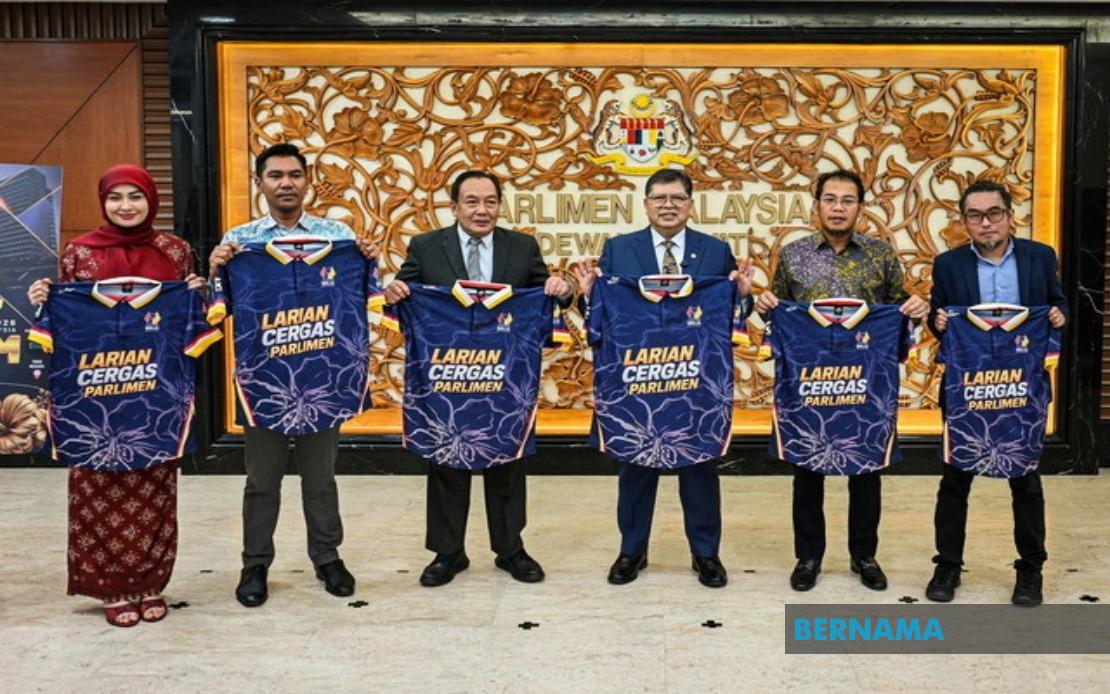
Parliament is launching its inaugural 'Larian Cergas Parlimen' fun run on July 25, positioning the event as a pivotal initiative to address growing health concerns among elected officials and inspire public wellness across the nation. Dewan Rakyat Speaker Tan Sri Datuk Dr Johari Abdul unveiled the programme at the Parliament building in Kuala Lumpur on July 9, emphasising that the five-kilometre community run represents a deliberate effort to counteract the mounting health challenges facing parliamentarians juggling demanding legislative schedules with personal wellbeing.
The timing of this initiative reflects a broader institutional concern about the lifestyle patterns of Malaysian lawmakers. Johari explicitly acknowledged reports of deteriorating health among members of both chambers, attributing these trends to the intersection of demanding parliamentary duties and sedentary working practices that have become entrenched within the legislative environment. By formalising a structured wellness programme, Parliament aims to shift the narrative around healthy living from aspirational rhetoric to actionable institutional practice.
The route design underscores Parliament's intention to make the event symbolically significant beyond mere exercise. Beginning and concluding at the Parliament building itself, the course traverses five kilometres through central Kuala Lumpur's most iconic landmarks, including Tugu Negara, transforming a routine fitness activity into a patriotic and community-oriented endeavour. This geographical choice ensures high public visibility and reinforces the message that parliamentary leaders are visibly committing to the health agenda they are promoting.
Johari's vision extends far beyond a single event. He articulated an ambitious strategic objective: positioning members of both the Dewan Negara and Dewan Rakyat as influential health advocates within their communities. Rather than viewing MPs as remote policymakers, the Speaker frames them as accessible role models whose personal commitment to fitness sends a powerful message to constituents, particularly younger Malaysians who increasingly look to public figures for lifestyle guidance.
The speaker also signalled plans for expansion throughout Malaysia's legislative landscape. Following the parliamentary debut, Johari expressed expectations that state legislative assemblies nationwide would replicate the programme, potentially creating a cascading network of health-focused events across all thirteen states. Such decentralisation would embed wellness promotion deeply within Malaysia's federal system and multiply the public health impact through staggered regional participation.
Participation has been deliberately opened beyond the parliamentary membership, inviting the general public to join the five-kilometre route. This inclusive approach dissolves the traditional barriers between lawmakers and constituents, creating informal spaces for direct engagement while simultaneously pursuing genuine health objectives. The democratisation of what could have remained an exclusive parliamentary event demonstrates institutional openness and recognises that wellness advocacy gains credibility through broad-based participation.
The Malaysian Youth Parliament secretariat, PBMy, serves as the operational backbone for the initiative, indicating that youth engagement forms a central pillar of the programme's philosophy. By partnering with youth-focused parliamentary structures, the event becomes embedded within mechanisms specifically designed to channel young people's voices into institutional consciousness. This connection ensures that the initiative targets young Malaysian audiences through credible channels rather than top-down government messaging.
The health crisis among parliamentarians, though rarely publicised as starkly as in Johari's remarks, reflects systemic challenges affecting many regional legislatures. Irregular hours, stress-related ailments, and the pressure of maintaining public appearances alongside substantive legislative work create preconditions for poor health outcomes. Malaysia's parliamentary leadership has recognised that addressing these structural factors requires institutional intervention rather than merely exhorting individuals to exercise voluntarily.
From a Southeast Asian perspective, Parliament's initiative positions Malaysia as a leader in institutional health promotion among regional legislative bodies. While several ASEAN parliaments have informally encouraged wellness, formalising fitness programmes within parliamentary structures remains relatively uncommon, offering Malaysia an opportunity to demonstrate innovative approaches to legislator wellbeing that peer nations might subsequently emulate.
The registration process, though references to specific platforms were omitted from available details, represents a critical administrative component. By requiring advance registration, organisers can accurately project participation levels, marshal adequate safety provisions for a five-kilometre urban route, and generate baseline data comparing this inaugural event to future iterations, enabling measurement of whether the programme successfully shifts institutional health culture over time.
Johari's framing of lawmakers as health influencers carries significant symbolic weight in Malaysian politics, where public figures' personal conduct shapes broader social narratives. By voluntarily participating in a demanding physical activity, parliamentarians signal that promoting healthy lifestyles represents a genuine institutional commitment rather than hollow policy rhetoric disconnected from leadership practice.
The programme arrives during a period of intensified focus on public health in Malaysia following COVID-19's disruptions to routine medical services and community wellness activities. Reactivating large-scale public fitness events carries both literal and metaphorical significance, suggesting institutional restoration and renewed commitment to normalcy alongside health consciousness.
Ultimately, 'Larian Cergas Parlimen' transcends a single sporting event to represent Parliament's recognition that institutional wellbeing and legislative effectiveness remain interconnected. By investing in mechanisms that encourage healthier lifestyles among members and the communities they serve, Malaysia's parliament acknowledges that effective governance requires healthy, engaged, and physically capable representatives capable of meeting the demanding responsibilities of modern democratic practice.

