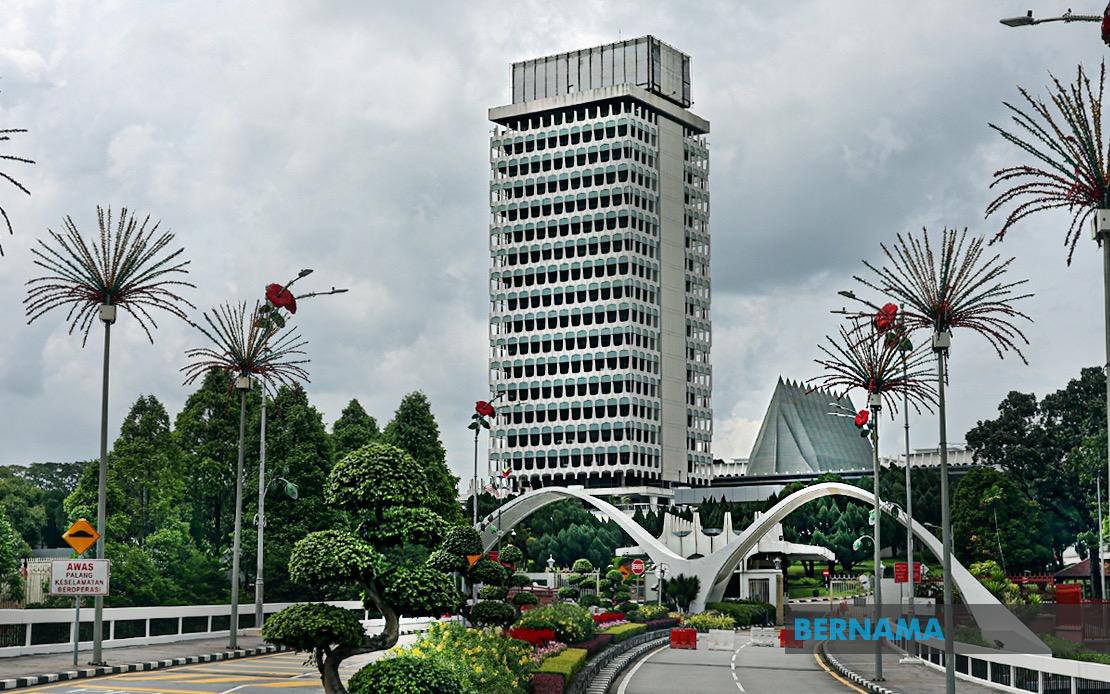
The lower house's opening week of the 15th Parliament's fifth session proved modest in legislative output, with lawmakers approving just one substantive piece of legislation despite a densely packed agenda addressing several pressing national concerns. The Road Transport (Amendment) Bill 2026 cleared parliament during the June 22-28 sitting, cementing Transport Minister Anthony Loke's efforts to tighten enforcement mechanisms against dangerous road activities that have plagued Malaysian highways for years.
The legislation addresses a critical enforcement gap that has long hindered authorities' ability to combat illegal street racing effectively. Previously, regulators needed to demonstrate actual danger or documented harm before taking action against racing activities, a burden that frequently allowed perpetrators to evade consequences. Section 42A of the amended Act now permits enforcement officials to intervene at earlier stages, without requiring evidence of accidents, injuries, or fatalities. This shift represents a pragmatic recognition that prevention should supersede reactive responses to tragedy on the nation's roads.
Minister Loke signalled that transport safety improvements would continue beyond this first legislative victory. His ministry plans to introduce a second amendment to the Road Transport Act later this year, targeting what he characterised as inadequate victim compensation mechanisms. Currently, courts impose fines and imprisonment on impaired drivers, but victims and bereaved families receive limited redress. The forthcoming amendment would establish a dedicated compensation scheme for those harmed by drink or drug-impaired motorists, aligning Malaysia's approach with international best practices in victim support and potentially extending accountability beyond criminal punishment.
Despite this solitary success, parliament's legislative pipeline remains crowded. The Prison (Amendment) Bill 2026, designed to permit electronic monitoring of offenders and formalise volunteer-led rehabilitation programmes, stalled during the week after lawmakers determined additional scrutiny was necessary. The measure was recommitted to the Parliamentary Select Committee for comprehensive review, suggesting that concerns about surveillance implications or rehabilitation programme efficacy warranted deeper examination before advancement.
Four additional bills received their initial parliamentary reading without progressing further, including the Sexual Offences Against Children (Amendment) Act 2026, two competition-related measures, and a comprehensive Cybercrime Act 2026. The latter represents particularly significant legislative architecture, as it would replace the Computer Crimes Act 1997 with modernised provisions designed to address evolving digital threats and criminal methodologies that contemporary cybersecurity experts have long identified as beyond the scope of outdated 1997 legislation.
Parliamentary administration confirmed several personnel changes with constitutional implications. Larut Member Datuk Seri Hamzah Zainudin resumed his role as opposition leader effective June 18, restoring the formal leadership position following earlier administrative adjustments. Simultaneously, the Dewan Rakyat acknowledged vacancies in Pandan and Setiawangsa constituencies following May 18 resignations by Datuk Seri Rafizi Ramli and Nik Nazmi Nik Ahmad respectively. The Election Commission received formal notification as mandated by constitutional procedures, setting in motion processes for addressing these parliamentary seats.
Ministerial question time operated under modified arrangements throughout the week, with Prime Minister Datuk Seri Anwar Ibrahim's calendar constraints necessitating departmental ministers handling inquiries typically directed to his office. This arrangement, while procedurally acceptable, underscores growing demands on executive leadership and the logistical challenges inherent in managing comprehensive government operations alongside parliament's sitting schedule.
The human resources sector captured significant parliamentary attention as Employment Minister Datuk Seri R. Ramanan disclosed troubling retrenchment figures. Between January and mid-June, Malaysian employers initiated redundancies affecting 42,807 workers, with company closures and workforce rationalisation identified as primary drivers. The figures reflect broader economic pressures rippling through manufacturing, services, and other labour-intensive sectors responding to demand uncertainty and cost pressures. However, Economy Minister Akmal Nasrullah Mohd Nasir offered reassurance that labour market fundamentals remain comparatively resilient, noting that June retrenchments declined approximately 20 per cent relative to May levels. Labour force participation rates held steady at 70.9 per cent, suggesting underlying employment demand persists despite headline redundancy announcements that generated parliamentary and public concern.
Border security emerged as another priority area requiring urgent resource allocation. Home Minister Datuk Seri Saifuddin Nasution Ismail announced government approval of RM22 million funding directed toward equipping the Malaysia Border Control and Protection Agency with firearms and essential operational equipment. The investment reflects administrative recognition that maritime boundaries, land crossings, and airspace protection require modern capabilities aligned with evolving transnational security threats including smuggling, human trafficking, and unauthorised border incursions that consistently occupy ministerial attention and legislative focus.
Communications and digital safety dominated another significant portion of parliamentary proceedings. Minister Datuk Fahmi Fadzil highlighted obligations introduced through the Child Protection Code and Risk Mitigation Code taking effect June 1, requiring social media platforms to implement age-verification mechanisms protecting minors from inappropriate digital content and predatory interactions. Regulatory enforcement carries substantial teeth, with the Online Safety Act 2025 authorising penalties reaching RM10 million for non-compliant platforms. This legislative framework represents Malaysia's effort to navigate tensions between digital freedom and child protection, though implementation challenges regarding age-verification accuracy and privacy protection will likely generate ongoing parliamentary scrutiny.
Commodity sector concerns regarding energy transition also featured prominently in parliamentary discourse. The Ministry of Plantation and Commodities disclosed ongoing evaluation of B50 biodiesel expansion viability, with existing refinery infrastructure requiring potentially prohibitive upgrade investments. This cautious approach reflects the genuine technical and financial complexities inherent in transitioning petroleum-dependent supply chains toward renewable alternatives, particularly when incumbent facility modifications demand substantial capital commitment.
The current sitting continues through July 16, providing lawmakers and ministers sixteen days to address the ambitious legislative agenda outlined during opening proceedings. Early indicators suggest parliament intends substantially broadening its committee-based review processes and deepening substantive debate on major policy areas beyond headline-generating bills. This emphasis on committee work potentially signals a longer-term parliamentary strategy prioritising thorough legislative preparation over rapid bill passage, though whether this approach ultimately delivers more effective governance remains an open question for Malaysian observers tracking legislative efficacy.

