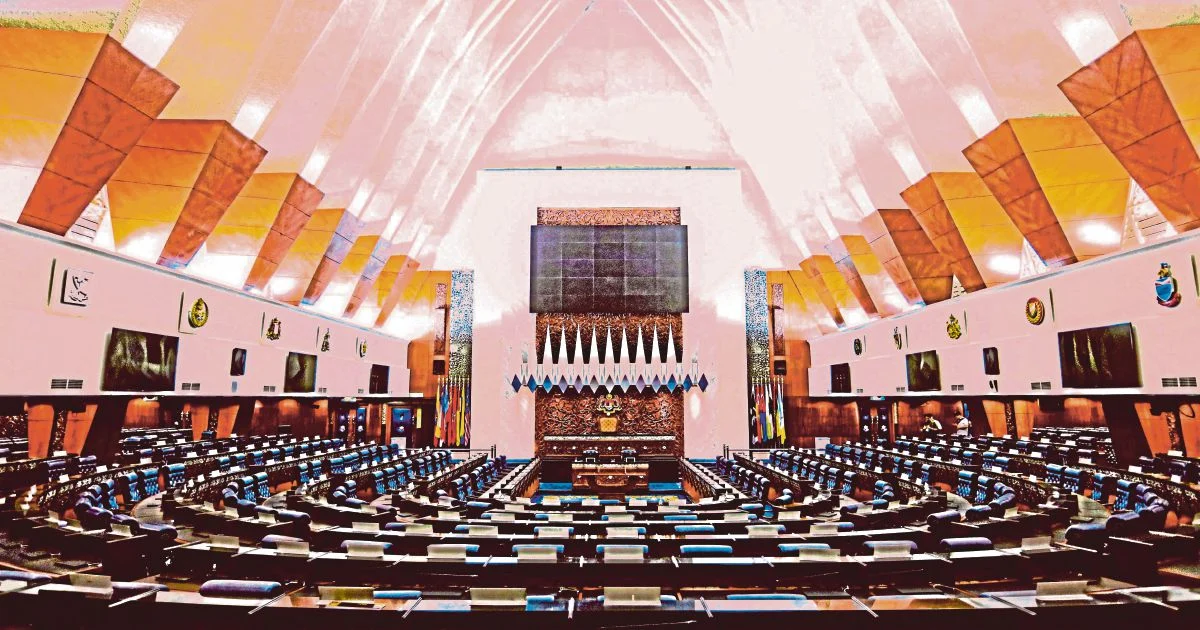
Legislators in the Dewan Rakyat are set to grapple with two pressing regional matters that have direct implications for Malaysia's economic prospects and maritime security: the advancement of the Malaysia-Thailand Border Economic Zone (BEZ) and the widening ramifications of the ongoing Strait of Hormuz tensions.
The Malaysia-Thailand Border Economic Zone represents an important bilateral initiative designed to unlock the developmental potential of the contiguous border regions shared by both nations. This cross-border framework seeks to facilitate trade flows, streamline logistics, and attract investment to areas that have historically lagged in economic development despite their geographic proximity to Thailand. Parliamentarians are expected to scrutinise the project's implementation timeline, infrastructure requirements, and potential returns on government investment. The initiative carries particular significance for Malaysian states such as Kedah, Perlis, and Kelantan, which stand to benefit from enhanced connectivity with their Thai counterparts and access to regional supply chains.
The economic zone concept reflects a broader Southeast Asian trend toward deepening intra-regional integration. By creating a coordinated space with streamlined customs procedures and joint investment incentives, both Malaysia and Thailand aim to compete more effectively for manufacturing and logistics operations that might otherwise gravitate toward larger regional hubs. However, questions persist regarding infrastructure readiness, workforce training, and whether the zone can genuinely catalyse sustainable development or merely displace economic activity within existing frameworks.
Parallel to border development discussions, lawmakers will examine the Strait of Hormuz situation, a matter that extends far beyond bilateral concerns to affect global energy markets and international commerce. This strategic waterway, through which approximately one-third of world seaborne traded petroleum passes, has experienced escalating instability that threatens shipping safety and global economic stability. For Malaysia, these developments carry outsized relevance given the nation's significant reliance on petroleum imports and its role as a maritime transport hub.
The Hormuz crisis has already reverberated through Malaysian logistics and energy sectors. Rising insurance costs for vessels transiting the Persian Gulf, heightened security requirements, and periodic shipping disruptions have increased operational expenses for Malaysian trading companies and shipping firms. Refineries and petrochemical facilities in Peninsular Malaysia face volatile feedstock pricing, while alternative routing through longer Asian passages compounds inflationary pressures on energy-dependent industries.
Beyond immediate commercial consequences, the Hormuz situation underscores Malaysia's exposure to extra-regional geopolitical volatility. As a nation dependent on stable global trade flows and predictable energy supplies, Malaysia has legitimate interests in maritime security and freedom of navigation. Parliamentary discussion offers an opportunity to articulate the nation's positions on international maritime law, regional cooperation mechanisms, and diplomatic channels that might help defuse tensions without directly embroiling Malaysia in great-power rivalries.
The timing of these parliamentary debates reflects broader Southeast Asian anxieties about regional stability. The balance between deepening intra-ASEAN economic cooperation and managing external pressures remains delicate. While the Malaysia-Thailand Border Economic Zone demonstrates commitment to neighbourhood collaboration, the Hormuz crisis reminds policymakers that regional prosperity ultimately depends on navigating a complex international environment characterised by unpredictable power struggles.
Parliamentarians may also use these discussions to explore Malaysian diplomatic initiatives aimed at stabilising the Hormuz region. As a non-aligned nation with economic interests spanning multiple geopolitical spheres, Malaysia occupies a potential bridging position that could be leveraged toward conflict reduction. Regional organisations such as ASEAN might also feature in parliamentary considerations regarding collective approaches to maintaining freedom of navigation and securing regional economic interests.
The parliamentary session represents more than routine legislative business. These debates provide essential forums for examining how external shocks to global systems—whether energy supply disruptions or geopolitical instability—reverberate through the Malaysian economy and how domestic policies can build resilience against such vulnerabilities. Lawmakers will likely seek assurances regarding contingency planning, alternative energy sources, and strategies to minimise the nation's exposure to shipping disruptions without sacrificing the trade-dependent fundamentals of Malaysia's economic model.

