Parliament will convene in extraordinary session tomorrow morning to examine a comprehensive Royal Commission of Inquiry report detailing governance failures at Lembaga Tabung Haji between 2014 and 2020. The special sitting, beginning at 10 am, represents a significant moment of parliamentary accountability as lawmakers scrutinise the 211-page document that was released publicly on July 29 following government approval for full disclosure of its findings.
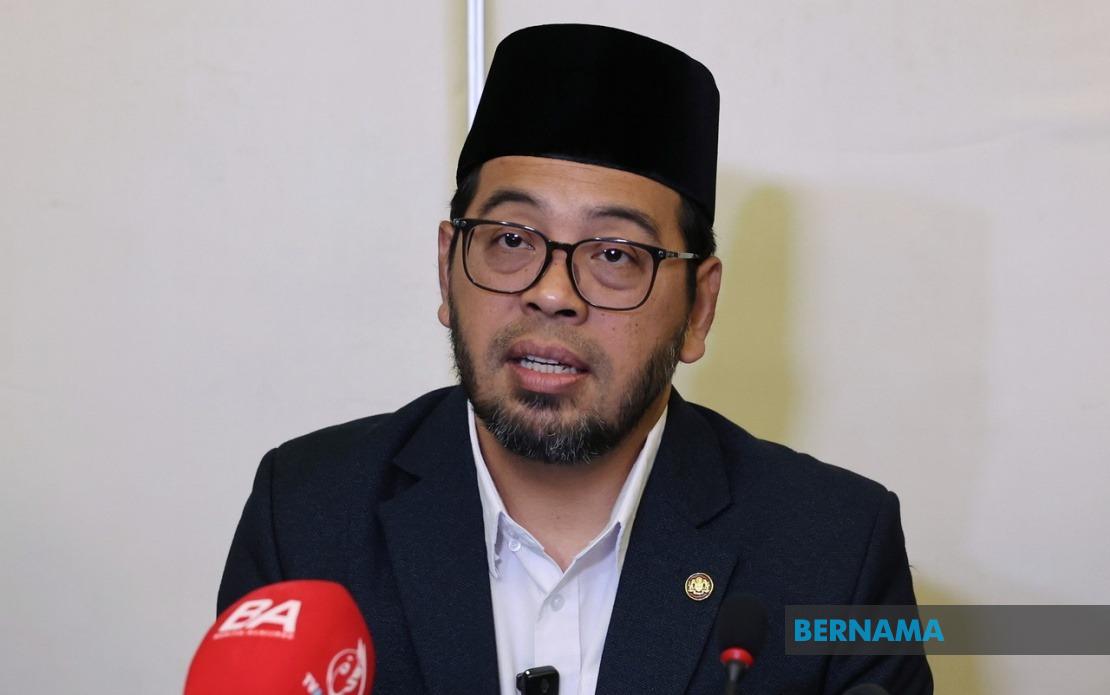
Dr Zulkifli Hasan, the Minister in the Prime Minister's Department (Religious Affairs), will deliver the ministerial briefing on the RCI report to the Dewan Rakyat. Finance Minister II Datuk Seri Amir Hamzah Azizan will participate alongside him, with both ministers set to wind up parliamentary debate once the discussion concludes. This dual ministerial presence underscores the gravity the government attaches to the inquiry's conclusions and the need for senior-level engagement with legislative concerns.
The RCI investigation examined a decade of institutional management at Tabung Haji, Malaysia's pilgrimage fund that holds deposits from millions of Malaysian Muslims saving for the hajj journey. The scope of the inquiry reflects widespread concern about governance standards and decision-making processes within the organisation during a critical period. The government's decision to make the report publicly accessible rather than keeping findings confidential signals commitment to transparency, though the parliamentary debate will provide the first formal opportunity for elected representatives to question officials and debate implications.
Minister Zulkifli stated that the Cabinet has signalled intent to pursue accountability measures against individuals implicated in the case. This commitment to consequences moves beyond diagnosis toward enforcement, indicating that the RCI findings may trigger administrative action, legal proceedings, or both. The prospect of action provides assurance that the inquiry was not merely an exercise in documentation but rather a foundation for remedial steps designed to prevent similar governance lapses in future.
Communications Minister Datuk Seri Fahmi Fadzil has indicated that at least 40 Members of Parliament have expressed interest in participating in tomorrow's debate. This substantial level of engagement suggests the issue carries cross-party resonance and reflects parliamentary appetite to understand how an institution managing billions in deposits for a religiously significant purpose experienced such significant difficulties. The breadth of potential speakers will ensure diverse perspectives shape the legislative discussion.
For Malaysian Muslim depositors and their families, the RCI report carries personal significance. Tabung Haji serves as custodian of savings earmarked for one of Islam's five pillars, making institutional mismanagement not merely a financial concern but also a matter touching religious obligation and family aspirations. Many depositors depend on the fund's stability to realise their hajj dreams, making scrutiny of management practices both legitimate and emotionally weighted.
The parliamentary debate occurs within Malaysia's broader governance reform agenda. Public inquiries followed by parliamentary examination have become a hallmark of post-2018 institutional accountability efforts, representing a departure from earlier practice where findings might be shelved or minimised. Tomorrow's session demonstrates how legislative processes can serve as forums for public accountability, transforming technical reports into political and social moments where institutions answer to elected representatives and, through them, to constituents.
For Southeast Asian observers, Malaysia's handling of the Tabung Haji inquiry offers insights into regional governance standards. Many countries manage similar pilgrimage funds or religious institutions, and how Malaysia responds to documented failures may establish precedents for accountability in faith-based financial institutions across the region. The decision to publicise findings and hold parliamentary debate suggests evolving norms around institutional transparency in the Islamic finance and religious affairs sectors.
The 211-page report itself represents months of investigation, evidence gathering, and analysis by the RCI. Parliamentary debate will now test the robustness of its findings, allowing supporters and critics to voice positions publicly. This deliberative phase is crucial—it transforms the RCI from an investigative body into a catalyst for political and policy discussion, where the substance of recommendations can be argued, refined, or rejected through the legislative process.
Looking forward, the outcome of tomorrow's debate may determine whether RCI recommendations trigger legislative changes, new regulatory frameworks for religious institutions, or revamped oversight mechanisms. Parliament's willingness to engage seriously with the inquiry signals that formal accountability processes retain value in Malaysia's political system, despite broader debates about institutional effectiveness. For stakeholders invested in Tabung Haji's future—depositors, staff, and policymakers—parliamentary scrutiny represents an opportunity to ensure the institution emerges from this episode with strengthened governance and restored public confidence.

