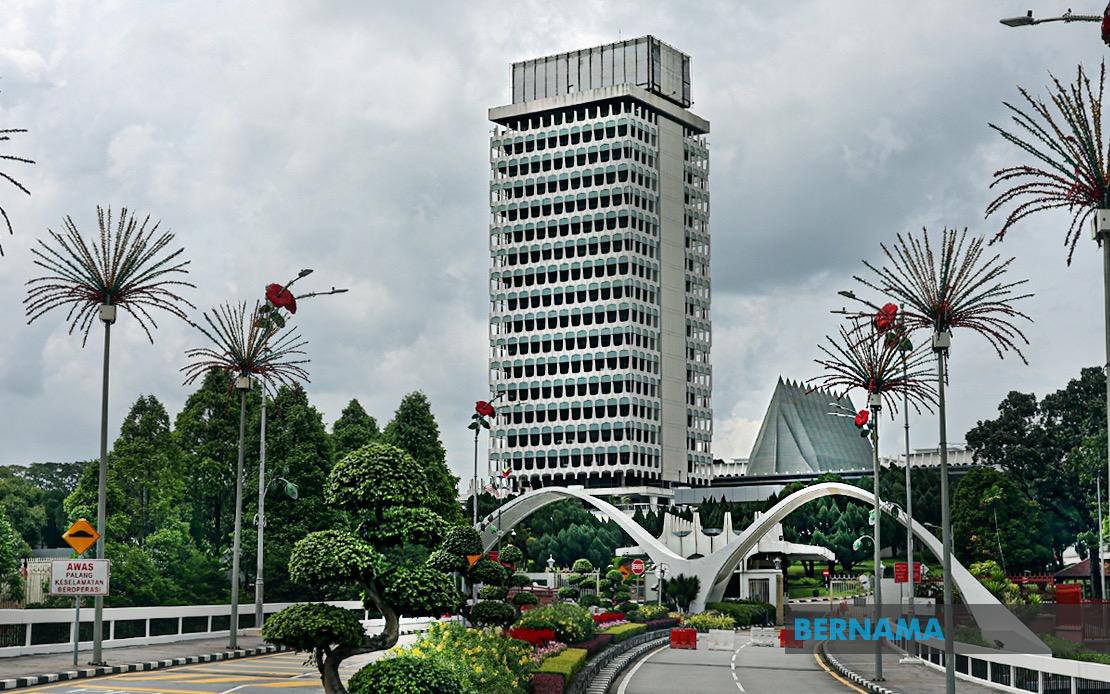
The Dewan Rakyat reconvened today with lawmakers preparing to scrutinise three pressing national concerns: the regulatory framework surrounding digital safety legislation, institutional safeguards for schoolchildren, and targeted economic relief for small businesses struggling with logistics pressures. The parliamentary agenda reflects ongoing government efforts to balance technological governance with immediate economic hardship facing Malaysia's entrepreneurial sector.
Central to today's deliberations is the implementation pathway of the Online Safety Act 2025 (Act 886), which parliament passed last year to regulate digital content and platform accountability. Rodziah Ismail, the Ampang representative, will press the Communications Minister for comprehensive details on ten subsidiary instruments—encompassing regulations, guidelines, and operational standards—that operationalise the legislation. Her questioning will probe the regulatory objectives embedded in each instrument, the substantive provisions they contain, their intended scope across digital platforms and content categories, and the current development timeline. This line of inquiry matters significantly for Malaysia's digital economy, as delayed or ambiguous regulations create uncertainty for tech companies, content creators, and online businesses operating across Southeast Asia's most developed digital market.
The development of these subsidiary instruments represents the critical gap between legislative intent and practical governance. Without clear guidelines, the Online Safety Act 2025 remains a legal framework lacking enforceable mechanisms. The Communications Ministry must articulate how different regulations will address distinct online harms—from misinformation and hate speech to child exploitation and cyberbullying—while preserving legitimate digital expression and commerce. For Malaysian businesses and platforms, clarity on compliance requirements directly influences investment decisions and operational viability.
Parallel parliamentary concern centres on student welfare and institutional security within schools. Roslan Hashim, representing Kulim Bandar Baharu, will interrogate the Education Minister regarding safeguarding mechanisms protecting pupils nationwide. His questions address fundamental anxieties: what preventive measures guard against accidents and injuries in school facilities, what anti-bullying protocols exist and whether they function effectively, and how schools manage broader security threats. This inquiry follows years of documented incidents involving student violence, inadequate infrastructure maintenance, and psychological harm stemming from peer harassment. The Education Ministry's response will reveal whether the government has implemented comprehensive safety audits, invested in counselling services, and established clear reporting mechanisms that protect vulnerable children.
Student safety extends beyond physical security to encompass mental health support, adequate staffing ratios, and preventive interventions. Schools remain foundational institutions where Malaysian children spend formative years, yet recent reports have highlighted gaps in bullying prevention, crisis response protocols, and counselling availability. The parliamentary examination will indicate whether current budgetary allocations and policy frameworks adequately address these documented shortcomings or represent merely symbolic gestures toward institutional improvement.
Economically, parliament will examine support mechanisms for micro-entrepreneurs and small traders devastated by supply chain chaos emanating from West Asia conflicts. Andi Muhammad Suryady Bandy will request the Finance Minister outline immediate intervention measures targeting hawkers, small-scale retailers, and MSMEs experiencing compounded logistics costs and inventory disruptions. The prolonged geopolitical instability has redirected shipping routes, elevated freight charges, and created bottlenecks affecting Malaysia's import-dependent retail and food sectors. Traders operating on thin profit margins cannot absorb these external shocks without government assistance, yet available relief programmes remain fragmented and insufficiently promoted.
West Asia's instability reverberates directly through Malaysian supply chains, particularly for businesses importing components, raw materials, and finished goods via traditional maritime routes. The combined pressures of elevated logistics costs, delayed shipments, and inventory management crises threaten business viability across retail, hospitality, food services, and manufacturing. Government assistance—whether subsidised freight programmes, working capital loans, tax deferments, or direct grants—requires immediate deployment. Parliament's scrutiny will determine whether the Finance Ministry possesses adequate fiscal headroom and policy instruments to address this regionally-driven economic pressure affecting hundreds of thousands of Malaysian workers and business owners.
Transportation infrastructure developments also feature prominently. Wee Ka Siong will seek updates on the Johor Elevated Autonomous Rapid Transit (E-ART) project implementation, a significant regional infrastructure initiative intended to modernise Johor's public transport network. This megaproject represents capital investment in urban connectivity and economic development within one of Malaysia's most populous and economically significant states. Progress reports on such projects signal government commitment to regional development beyond the Klang Valley corridor.
Digital security considerations extend into social media governance. Riduan Rubin will question the Home Affairs Minister regarding potential cybersecurity risks accompanying a proposed minimum age requirement of 16 for social media access. This enquiry raises complex questions about data protection, identity verification systems, online fraud vulnerability, and the administrative capacity required to enforce age-based restrictions across numerous platforms. Implementing such requirements demands robust mechanisms preventing identity spoofing while protecting children's personal information—challenges that governments across Southeast Asia continue navigating.
Healthcare funding concerns specific to Sabah will also receive parliamentary attention, with Shahelmey Yahya seeking assurance that federal fiscal adjustments do not compromise public healthcare delivery or facility development within the state. This reflects broader anxieties about equitable resource distribution across Malaysian states and whether budgetary consolidation measures disproportionately impact peripheral regions with weaker revenue bases.
Further parliamentary business includes tabling the Competition (Amendment) Bill 2026 for second reading by the Minister of Domestic Trade and Cost of Living. This legislation addresses competitive conduct within Malaysian markets, potentially affecting consumer protection, small business viability, and economic concentration patterns across sectors.
The parliamentary sitting continues through July 16, providing legislators sixteen days to debate and scrutinise government policies across multiple domains. Today's focus on digital regulation, institutional safety, economic relief, and infrastructure development reflects parliament's prioritisation of issues affecting Malaysian households, businesses, and communities. The quality of ministerial responses and subsequent parliamentary debate will determine whether these pressing concerns receive substantive policy attention or merely symbolic parliamentary gesture.

