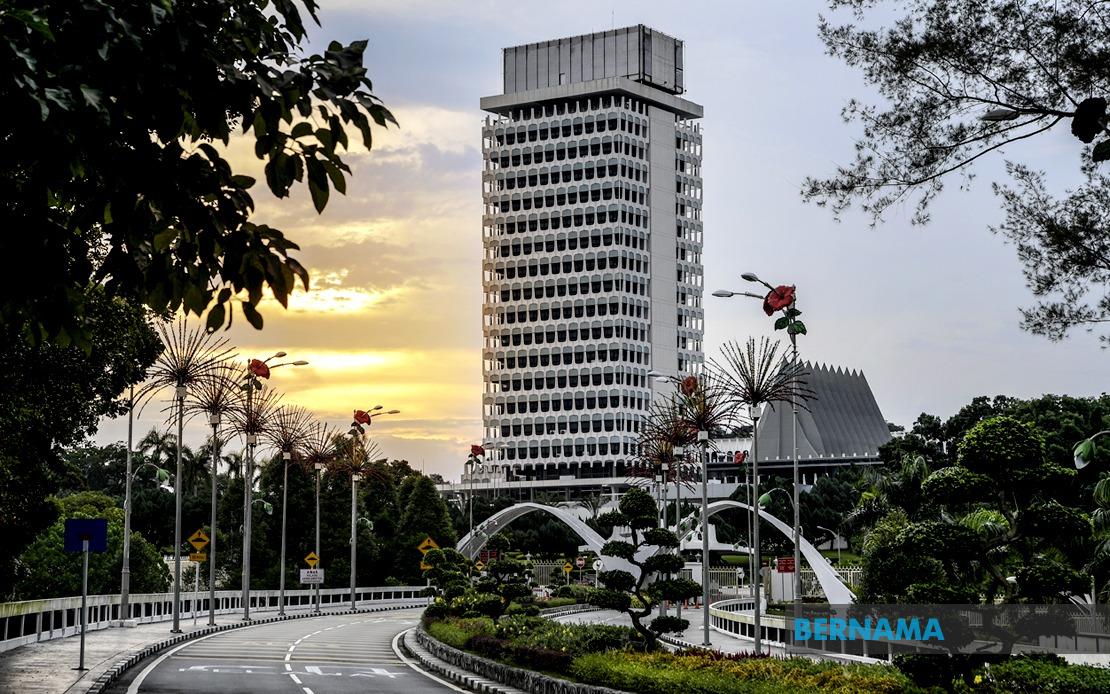
The Dewan Rakyat reconvenes today for a sitting that promises to test the government's approach to several pressing domestic concerns, ranging from the adequacy of retirement savings to regulatory gaps in the insurance sector. Scheduled for debate are measures intended to bolster health insurance protections, strategies to ensure Malaysians accumulate sufficient retirement funds as the nation ages, and initiatives aimed at nurturing volleyball talent at both indoor and beach levels. The parliamentary session reflects mounting backbench pressure on multiple fronts as lawmakers prepare to grill ministers on implementation and effectiveness.
Among the most significant questions to be tabled is Tan Kok Wai, the Cheras representative from Pakatan Harapan, who will press the Finance Minister on steps being taken to fortify insurance regulations. His focus centres on safeguarding policyholders—particularly those with critical illnesses or cancer diagnoses—against unjustified policy terminations and claim denials. The question carries weight given persistent complaints from patient advocacy groups about insurers' rejection rates and the opacity of dispute resolution channels. Enhanced transparency mechanisms and clearer pathways for appealing disputed claims represent key areas of reform that lawmakers expect the government to articulate.
Parallel to insurance matters, Datuk Seri Aminuddin Harun from Port Dickson will probe whether current EPF contribution levels and government strategies adequately prepare workers for retirement. His concern reflects a widening anxiety among policymakers: as Malaysia's demographic structure shifts towards an older population by 2030, many citizens face the prospect of retirement with insufficient savings. The rising cost of living has intensified this challenge, with wage growth often lagging inflation. The Finance Minister will be pressed to outline concrete measures—whether through enhanced contribution rates, matching schemes, or financial literacy campaigns—to close the retirement security gap.
The question of talent development for volleyball also features on today's agenda, with Zakri Hassan from Kangar raising the issue with the Youth and Sports Minister. Indoor and beach volleyball represent important disciplines in Malaysia's sporting portfolio, yet systematic talent identification and nurturing pipelines remain underdeveloped compared to neighbouring countries. The inquiry signals parliamentary concern that Malaysia risks squandering athletic potential without structured programmes to scout, train, and develop young talent from grassroots through to elite competition.
Rural connectivity and digital inclusion emerge as further points of parliamentary scrutiny. Hassan Saad from Baling will question the Communications Minister about the National Information Dissemination Centres' effectiveness in lifting the socio-economic prospects of rural communities. Despite government investment in these facilities, persistent shortfalls in internet access, digital competency, and online marketing capabilities continue to hamper small entrepreneurs in remote areas. The question implicitly challenges whether existing infrastructure projects translate into genuine economic opportunity for rural Malaysians or remain underutilised assets.
Another focal point will be the Mobile eCOSS application, introduced in May 2025 to combat subsidy leakage in subsidised packet cooking oil distribution. Lawmakers will seek assurance that this mobile platform effectively plugs loopholes that previously allowed diversion of subsidised goods to black markets or smuggling operations. Subsidy leakage represents a significant drain on government finances and undermines the intended beneficiaries of price controls, making this tracking system's efficacy a matter of fiscal responsibility.
Financing schemes supporting micro, small, and medium enterprises will also come under the microscope today. Questions will probe whether existing lending and grant programmes meaningfully address MSME growth constraints or whether bureaucratic barriers and inadequate support structures limit uptake and impact. Given that the MSME sector remains crucial to employment creation and economic diversification, particularly outside major urban centres, parliamentary oversight of these schemes carries broader implications for inclusive growth.
Beyond Question Time, the parliament will receive a briefing from the Health Select Committee regarding its report on reforming the National Organ Donation and Transplant System. This briefing marks progress on a critical healthcare issue—expanding the donor pool and improving transplant access for Malaysians facing organ failure. The committee's recommendations may include changes to consent frameworks, coordination mechanisms between hospitals, and public awareness strategies to boost donation rates.
The sitting will also advance parliamentary business on two competition-related legislative items. Debate will continue on the committee stage of the Competition (Amendment) Bill 2026, with lawmakers examining specific provisions intended to strengthen the framework governing fair trading practices. Separately, the second reading of the Competition Commission (Amendment) Bill 2026 will introduce provisions affecting the regulatory body's powers and operational structure. These bills shape the competitive landscape for businesses and consumers alike, making their passage consequential for market integrity.
The second meeting of the fifth session, which commenced in early July, runs for sixteen sitting days and will conclude on July 16. This compressed timeframe means parliamentary business must move efficiently, with Question Time serving as a crucial mechanism for legislators to raise constituent concerns and demand ministerial accountability. The breadth of issues scheduled—from insurance to retirement security, sports development to rural digital inclusion—underscores the multifaceted challenges confronting Malaysian policymakers as the nation navigates demographic shifts, economic pressures, and demands for better service delivery.
For Malaysian citizens and businesses, today's parliamentary proceedings offer insight into whether government priorities align with grassroots concerns. Questions about insurance protections, retirement adequacy, and rural connectivity strike at core anxieties affecting households and small entrepreneurs. Parliamentary scrutiny of these matters, though not always resulting in immediate legislative change, shapes the political economy of implementation and signals to the bureaucracy which issues lawmakers and constituents regard as urgent. The session reflects Parliament's role not merely as a legislative chamber but as a platform for airing grievances and demanding explanation from the executive branch.

