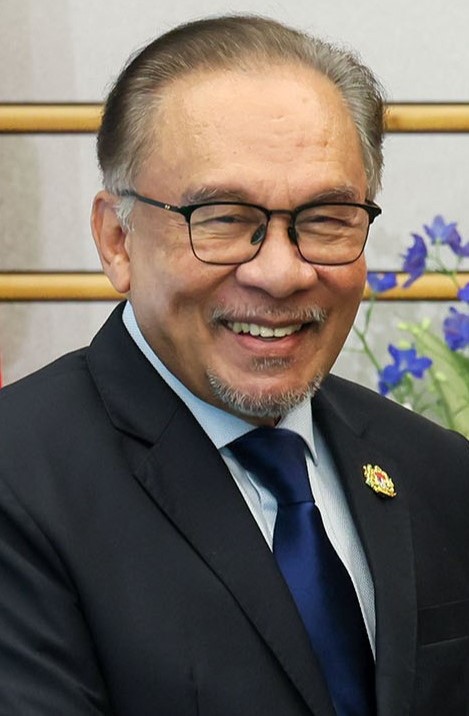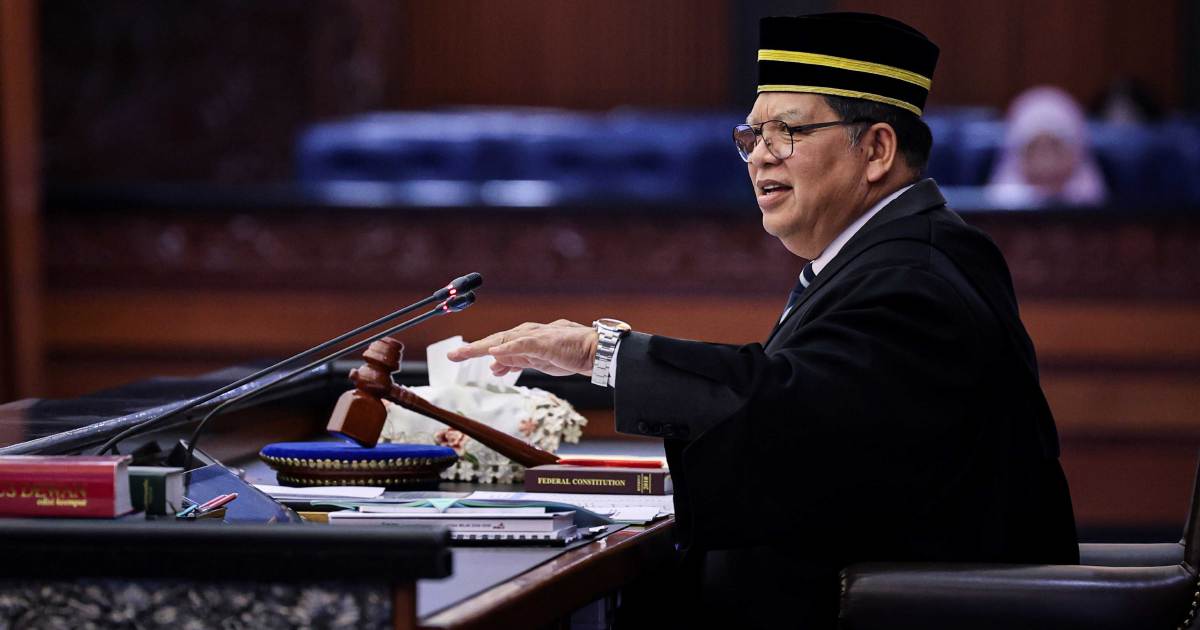
Dewan Rakyat Speaker Tan Sri Johari Abdul has cautioned parliamentarians against treating legislative sessions as optional, emphasising that members should prioritise attendance at all parliamentary sittings unless circumstances warrant their absence. The directive comes as part of ongoing efforts to uphold institutional discipline and ensure the Dewan Rakyat maintains operational integrity during a period of political transition and shifting parliamentary dynamics across the nation.
The Speaker's intervention reflects broader concerns within Malaysia's legislative framework regarding member participation and accountability. Regular attendance at parliamentary sessions represents not merely a procedural requirement but a fundamental obligation that elected representatives owe to their constituents and the democratic process itself. When members absent themselves without adequate justification, they undermine the legitimacy of parliamentary deliberations and reduce the quality of representation available to voters across their respective constituencies.
Speaker Tan Sri Johari Abdul's statement carries particular significance given the composition of the current Dewan Rakyat, where coalition dynamics and the complexities of Malaysia's post-2022 political landscape have created an environment where every voice matters considerably more than it did under previous administrations. The current parliamentary configuration demands sustained engagement from all members to ensure that legislative functions proceed smoothly and that debates reflect genuinely representative perspectives.
The enforcement of attendance standards also protects the credibility of parliamentary proceedings. When members selectively participate based on personal convenience or political calculations, they send a message to Malaysian voters that legislative work lacks sufficient importance to command consistent commitment. This perception proves particularly damaging in a country where public confidence in democratic institutions has experienced fluctuations over recent years and where strengthening institutional trust remains essential for democratic consolidation.
Parliamentary rules in Malaysia do provide for legitimate absences, including medical emergencies, family bereavement, official government business, and other genuine circumstances that reasonably prevent attendance. The Speaker's emphasis on "valid reason" therefore does not impose an unrealistic standard but rather distinguishes between unavoidable absences and discretionary non-attendance that reflects insufficient commitment to parliamentary duty. This distinction becomes increasingly important as Malaysia navigates a period where political stability depends substantially on institutional reliability.
The Speaker's reminder also addresses practical concerns about legislative efficiency. Quorum requirements ensure that sufficient members remain present during debates to guarantee the legitimacy of decisions and the breadth of parliamentary scrutiny applied to government proposals. When members routinely skip sessions, they jeopardise the ability of parliament to function effectively and create procedural complications that can delay important legislation or undermine the quality of deliberation surrounding contentious policy matters.
Beyond procedural mechanics, the Speaker's directive touches on deeper questions about democratic representation. Voters entrust elected members with the responsibility to scrutinise government activities, propose alternative policies, and advocate for constituency interests during parliamentary proceedings. Members who fail to attend sessions without justification effectively abrogate these responsibilities and deprive their voters of the representation they rightfully expect. This becomes particularly concerning in diverse constituencies where residents depend on their elected representatives to voice varied community concerns and preferences.
The timing of this public reminder suggests ongoing monitoring of attendance patterns within the Dewan Rakyat. Parliamentary authorities in Malaysia maintain detailed records of member participation, and such records occasionally reveal patterns of systematic non-attendance that invite institutional intervention. The Speaker's statement may therefore respond to specific trends observed in recent sessions, though such details are typically not disclosed in public communications in order to preserve the dignity of individual members while conveying broader institutional expectations.
For Malaysian voters and civil society observers, the Speaker's statement reinforces that parliamentary accountability extends beyond ministers and government officials to encompass all elected members. Each representative carries equal responsibility to participate actively in legislative proceedings regardless of whether they hold ministerial portfolio or serve in opposition benches. This principle of universal accountability remains essential for maintaining the integrity of Malaysia's parliamentary democracy and for sustaining public confidence in the legislative process.
The emphasis on enforcing attendance standards also reflects international best practices across Commonwealth parliaments, where speaker's offices frequently communicate expectations regarding member participation. Malaysia's Dewan Rakyat draws on these traditions while adapting them to the specific context of Malaysian politics and society. By publicly articulating attendance expectations, Speaker Tan Sri Johari Abdul signals that the institution takes its operational standards seriously and will actively maintain them through various mechanisms available within parliamentary practice and rules.
Moving forward, the Speaker's warning establishes clear parameters for member conduct going forward, potentially reducing disputes about what constitutes acceptable attendance behaviour. While parliament operates within a framework of written rules and standing orders, the speaker's office also communicates through public statements and formal announcements that serve as supplementary guidance regarding institutional expectations. These communications prove valuable in clarifying ambiguous provisions and emphasising the importance of specific operational standards that might otherwise receive insufficient attention.
Ultimately, the Speaker's intervention serves to reinforce that parliamentary service demands genuine commitment and consistent participation. Malaysian members of parliament who accept their election accept simultaneously the obligation to show up, participate meaningfully, and help drive the nation's legislative agenda forward. As Malaysia continues developing its democratic institutions and strengthening public confidence in governance structures, the maintenance of such basic standards of institutional discipline becomes increasingly valuable for long-term democratic health and public trust in representative government.