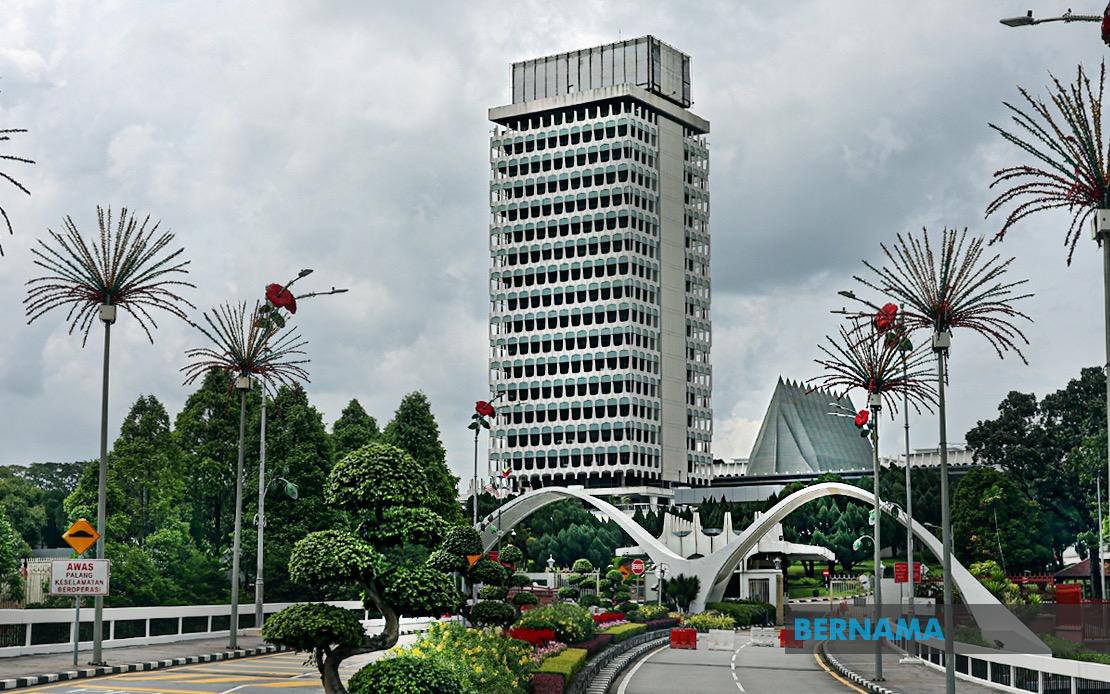
The Dewan Rakyat convenes today to scrutinise two pressing concerns that reflect broader economic and democratic vulnerabilities facing Malaysia: the persistent struggle of micro, small and medium enterprises to access adequate financing, and the nation's slip in international media freedom assessments. During Minister's Question Time beginning at 10 am, multiple MPs will raise these interconnected issues that have gathered momentum among stakeholders seeking greater clarity on government intentions and policy direction.
The MSME sector, which constitutes the backbone of Malaysia's entrepreneurial ecosystem and employs millions across urban and rural communities, faces mounting obstacles in obtaining credit facilities necessary for expansion and survival. Lee Chuan How, representing Ipoh Timor, will press the Prime Minister to acknowledge and address the escalating anxieties among business owners who report increasing difficulty in securing loans from conventional banking channels. This question assumes particular significance given that many MSMEs operate on thin profit margins and lack the collateral or credit history that traditional lenders typically demand, leaving them vulnerable to economic shocks and market disruptions.
The financing gap affecting MSMEs represents not merely a technical banking issue but a fundamental impediment to inclusive economic growth and job creation at the grassroots level. Malaysian entrepreneurs consistently cite bureaucratic procedures, stringent assessment criteria, and elevated interest rates as barriers preventing them from accessing funds through formal institutions. While government schemes exist to subsidise MSME lending, evidence suggests gaps remain in awareness, accessibility, and adequacy of these programmes. The question raised in Parliament today signals growing parliamentary attention to whether current mechanisms truly address the complexity of challenges confronting business owners seeking to capitalise on domestic and regional opportunities.
Parallel to economic concerns, Ahmad Fadhli Shaari from Pasir Mas will interrogate the government regarding Malaysia's troubling descent in the 2026 World Press Freedom Index, dropping from 88th position to 95th this year. This decline, while perhaps modest in numerical terms, carries substantial symbolic and practical implications for democratic institutions and civil society. International media freedom rankings, though imperfect measurement tools, reflect assessments by international observers regarding the independence of newsrooms, the legal and regulatory environment surrounding journalism, and the physical safety of reporters conducting their work.
The deterioration in Malaysia's ranking coincides with periods of heightened political tension and governmental scrutiny of media coverage across multiple platforms. Journalists and news organisations have reported increased pressure, legal challenges, and self-censorship concerns, particularly regarding reporting on sensitive political, security, and religious matters. The parliamentary question seeks to establish what concrete measures the government intends to implement to reverse this trajectory and restore confidence among international observers and domestic stakeholders that Malaysia remains committed to preserving media pluralism and editorial independence as cornerstones of its democratic system.
Beyond these headline concerns, the agenda reflects Parliament's engagement with social inclusion and accessibility. Aminolhuda Hassan will enquire whether the government contemplates establishing a dedicated funding mechanism to assist mosques and suraus in implementing facilities for senior citizens, including wheelchair ramps and accessible sanitation facilities. This question acknowledges that religious spaces, as gathering points for community life, require infrastructure improvements to accommodate ageing populations and individuals with mobility challenges. Such provision would enhance dignity and inclusion for worshippers whilst alleviating financial burdens on mosque management committees operating with limited resources.
The parliamentary schedule also encompasses substantial constitutional business that touches on institutional accountability and separation of powers. The House will scrutinise the 2024 Annual Report and Financial Statement of the Human Rights Commission of Malaysia (SUHAKAM), providing an opportunity for lawmakers to examine whether the institution has adequately fulfilled its mandate to investigate complaints, conduct inquiries, and advocate for rights protection across the nation. This oversight function remains crucial as SUHAKAM navigates complicated terrain involving detention, law enforcement conduct, and protection of vulnerable populations.
Most significantly, Parliament will resume debate on the Constitution (Amendment) (No. 2) Bill 2026, which seeks to fundamentally restructure the office of Attorney General by separating prosecutorial functions from advisory responsibilities. This constitutional reform carries profound implications for judicial independence, prosecutorial discretion, and the relationship between executive and judicial branches. The proposed amendment addresses longstanding concerns regarding potential conflicts of interest and concentrations of power when a single individual holds both roles, though debates persist regarding implementation details and transitional arrangements.
These parliamentary discussions reflect ongoing tensions between institutional reform, economic necessity, and democratic governance that Malaysian policymakers must navigate simultaneously. The convergence of questions regarding MSME financing, media independence, social inclusion, and constitutional architecture suggests a Parliament grappling with interconnected challenges affecting citizens' livelihoods, freedoms, and access to justice. How government responds to these inquiries will shape perceptions of its commitment to inclusive growth, democratic pluralism, and institutional accountability during the remainder of its term.

