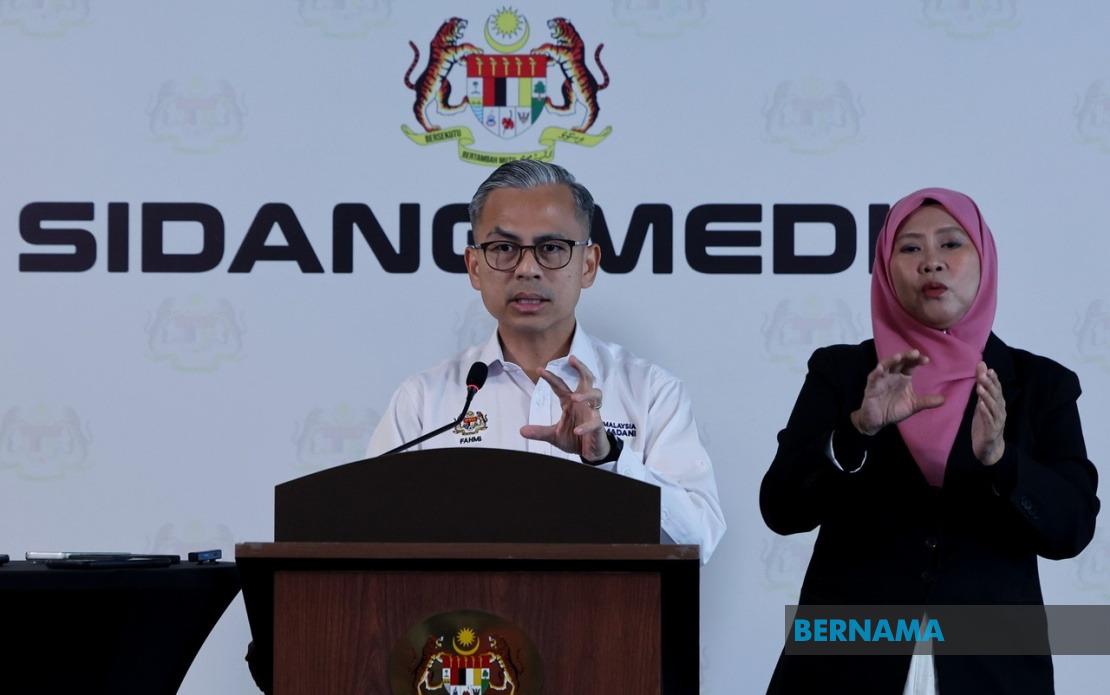
Parliament is preparing for an extensive debate on the troubled finances of Tabung Haji following the release of a damning Royal Commission of Inquiry report. Communications Minister Datuk Seri Fahmi Fadzil announced on Tuesday that between 35 and 40 Members of Parliament have expressed interest in speaking at a special sitting scheduled for August 11, signalling broad parliamentary concern over how Malaysia's pilgrimage savings fund has deteriorated over the past decade.
Dewan Rakyat Speaker Tan Sri Johari Abdul has consented to holding the session without the usual breaks, allowing legislators to maintain momentum and thoroughly examine the commission's findings. Prime Minister Datuk Seri Anwar Ibrahim previously indicated the debate would commence at 10 am and extend into the afternoon, with the government arranging live broadcast coverage through official media channels so the Malaysian public can observe the proceedings in real time.
The RCI report, made public on July 29 through the Department of Islamic Development Malaysia's official portal, paints a concerning picture of governance failures within Tabung Haji during a critical eight-year period from 2014 to 2020. The inquiry specifically examined the fund's management practices and investment decisions during this window, ultimately recommending that authorities conduct forensic audits of past investment choices that have contributed to a sharp erosion of the institution's asset base.
The investigation uncovered evidence of what the commission described as suspicious financial transactions and the deliberate concealment of information, raising questions about accountability and transparency within the fund's leadership structures. These findings carry significant implications for the roughly 8.4 million Muslims in Malaysia who rely on Tabung Haji as their designated savings vehicle for performing the hajj pilgrimage, a fundamental obligation in Islam. Many contributors have watched their investment values decline substantially, prompting calls for reforms and recovery measures.
The breadth of parliamentary interest in this debate reflects the political sensitivity surrounding Tabung Haji's collapse. As a government-linked institution managing the religious savings of Muslim Malaysians, the fund's mismanagement touches on both economic and faith-based concerns. The scale of underperformance has affected ordinary Malaysians across income levels, making it a matter of genuine public interest rather than merely a technical governance issue confined to policy circles.
Fahmi's confirmation that upward of three dozen lawmakers wish to contribute to the discussion suggests Parliament may dedicate substantial time to scrutinising the commission's conclusions and demanding accountability from relevant authorities. This level of engagement indicates the matter has transcended partisan boundaries, with members from various political persuasions recognising the importance of ensuring robust parliamentary oversight of the recovery process.
The MADANI government's decision to schedule and facilitate this special sitting demonstrates its commitment to transparency regarding the RCI findings. By allowing continuous debate without interruption, the government has removed procedural obstacles that might otherwise limit discussion. Broadcasting the proceedings publicly underscores the administration's apparent willingness to subject the findings to public scrutiny, though observers will closely watch whether subsequent government action matches the rhetoric of accountability.
The recommended forensic audit represents a logical next step in understanding how past investment strategies depleted the fund's value. Such an examination would likely expose which specific decisions proved catastrophic and potentially identify responsible parties, though the scope of any eventual prosecutions or disciplinary actions remains uncertain. The commission's work has laid groundwork for deeper investigations, but execution will test the government's resolve in addressing institutional failures.
For the broader Malaysian investment landscape, the Tabung Haji case serves as a cautionary example of how governance failures within large institutional funds can damage public confidence and cause real financial harm. The fact that a government-backed scheme managing billions in public savings deteriorated to this extent raises questions about oversight mechanisms across Malaysia's various sovereign wealth and savings funds. Policymakers may feel compelled to examine similar institutions to prevent comparable scenarios.
The August 11 debate will likely expose divisions over who bears responsibility for the fund's collapse and what remedial measures should be prioritised. Some lawmakers may focus on holding past leadership accountable, while others might emphasise recovering lost value for current contributors. These differing emphases will shape political discourse around institutional reform more broadly, potentially influencing how Malaysia approaches governance of strategic funds going forward.

