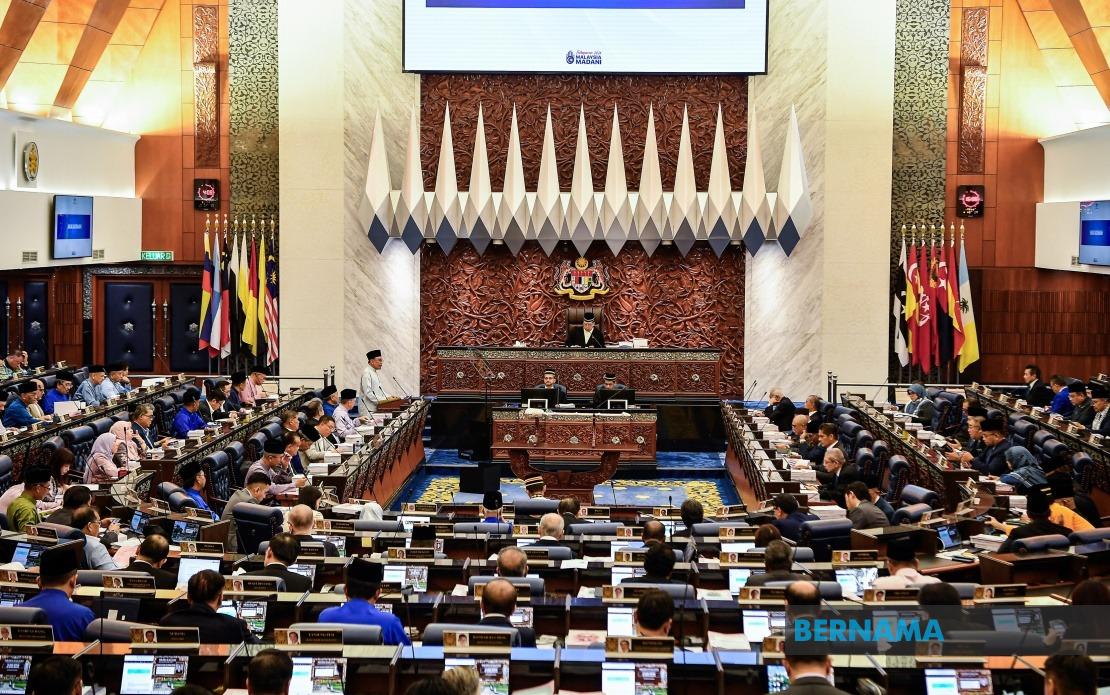
Malaysia's Dewan Rakyat has given final approval to the Cybercrimes Bill 2026, marking a significant legislative step toward combating evolving digital threats in the country. The bill, which encompasses 61 distinct clauses addressing various cybercrime offences, passed through Parliament on July 1 following a robust debate involving 48 lawmakers from both government and opposition benches.
The legislation takes direct aim at two particularly harmful digital phenomena that have gained momentum across the region: the creation and distribution of deepfakes and the non-consensual sharing of intimate images that have been digitally manipulated using advanced computer technology. These practices have caused documented harm to individuals and communities, often disproportionately affecting women and minorities. By criminalising such conduct at the legislative level, Malaysia joins other jurisdictions grappling with the challenge of regulating technology that evolves faster than law-making processes traditionally allow.
Deputy Prime Minister Datuk Seri Dr Ahmad Zahid Hamidi addressed parliamentary concerns about potential government overreach during the bill's wind-up debate. He emphasised that the legislation deliberately avoids granting authorities unchecked powers and operates within existing legal frameworks rather than superseding established statutes, including the Official Secrets Act 1972. This architectural approach reflects growing international recognition that new cybercrime legislation must balance security objectives with constitutional protections.
Critically, the bill incorporates procedural requirements that govern how authorities access digital systems and data. The Deputy Prime Minister clarified that such access cannot occur arbitrarily but must follow legally prescribed processes. This distinction matters substantially for Malaysian citizens concerned about digital privacy, as it suggests Parliament has embedded constraints into enforcement mechanisms rather than relying solely on administrative goodwill or self-regulation.
The framework governing data preservation demonstrates particular restraint. According to the government's explanation, investigating officers may only issue notices to preserve computer data when they possess reasonable satisfaction that the information is necessary for their investigation and genuine risk exists that the data might otherwise be deleted, altered, or destroyed. This threshold prevents authorities from freezing digital assets on mere suspicion or institutional preference, requiring instead a demonstrable investigative need and imminent danger of loss.
Similarly, the bill addresses disclosure of computer data through a requirement that such disclosure occur via written notice to the person or entity controlling the data, and only when a lawful investigation justifies the request. This notice requirement creates an audit trail and provides the affected party with awareness that their information has been accessed, establishing transparency where it previously did not exist. For Malaysian businesses and individuals operating digital infrastructure, understanding these notification requirements will prove essential for compliance.
The passage of this legislation responds to a growing problem across Southeast Asia, where technology-enabled abuse has outpaced legal remedies. Deepfake technology, once requiring specialised expertise, has become increasingly accessible through commercial software platforms and artificial intelligence tools. This democratisation of capability has permitted non-technical actors to create convincing fabrications of public figures, business competitors, and private individuals, sometimes for extortion, defamation, or harassment purposes. The bill's explicit criminalisation of such conduct establishes boundaries that were previously ambiguous under older statutes designed for pre-digital harms.
The non-consensual intimate imagery provisions address a related abuse pattern where digital tools enable the violation of personal autonomy and dignity on an unprecedented scale. Such images, whether genuine or manipulated, can be distributed globally in seconds, causing lasting reputational and psychological damage to victims. By treating the creation and dissemination of such content as discrete offences deserving criminal penalties, the bill acknowledges the particular harm of image-based abuse in contemporary society.
Parliament's willingness to debate the bill extensively, with 48 members participating across government and opposition lines, suggests the legislation garnered broad consensus despite the inherent sensitivity of regulating digital speech and privacy. This cross-party engagement may reflect recognition that cybercrime transcends partisan interests and that citizens across the political spectrum face exposure to digital harms. The voice vote approval, while not recorded individually, indicates no significant organised opposition to the bill's passage in its final form.
For Malaysia's position within regional digital governance, this legislation establishes the country as an early adopter of deepfake-specific criminal provisions. As Southeast Asian economies increasingly digitalise and internet penetration deepens, the normalisation of such conduct in law across multiple jurisdictions may encourage coordinated enforcement and mutual legal assistance in cross-border cases. The bill therefore carries implications extending beyond Malaysia's borders, potentially influencing how neighbouring countries approach similar challenges.
The coming months will prove crucial as enforcement agencies develop operational procedures implementing the bill's provisions. The specificity of the legal framework, with its emphasis on investigative necessity and procedural compliance, will require training and institutional development within law enforcement to ensure the law achieves its protective objectives without becoming an instrument of oppression. Malaysian civil society will likely monitor implementation closely to ensure that the safeguards embedded in the legislation function as intended in practice.

