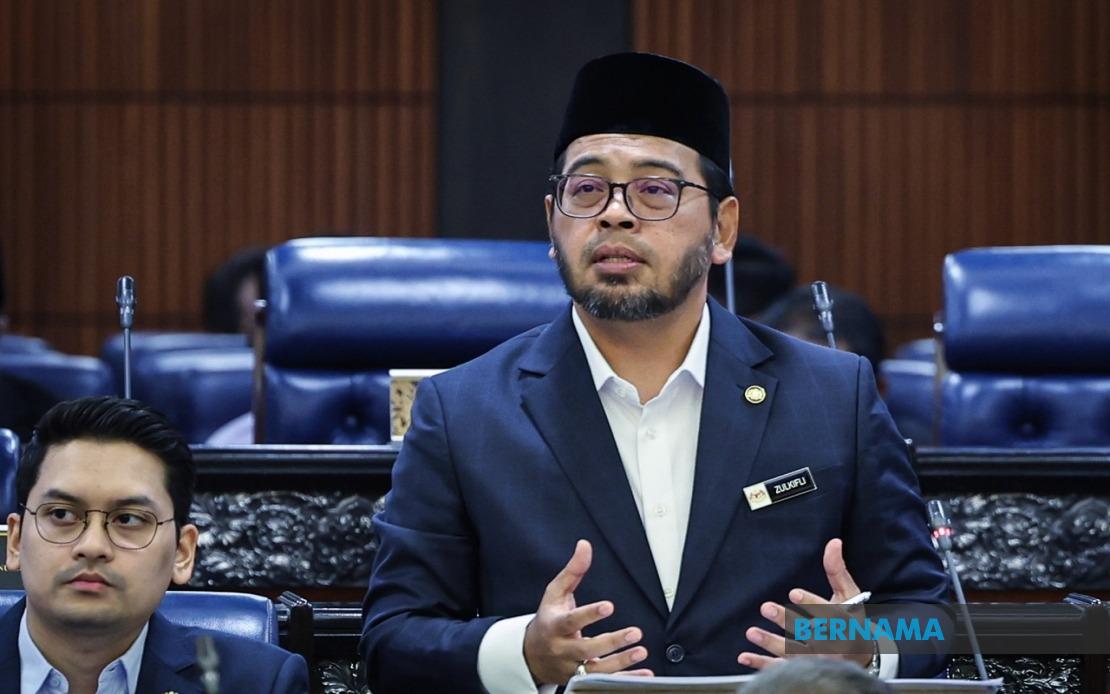
A marathon parliamentary session lasting more than ten hours illuminated the scale of institutional failure at Lembaga Tabung Haji and hardened resolve among lawmakers to prevent recurrence of the financial and governance disasters documented in the Royal Commission of Inquiry report. The special Dewan Rakyat sitting revealed broad consensus that reforms must move beyond addressing past misconduct to establishing durable systems that function independently of individual leadership or political pressure.
The financial dimensions of TH's travails became starkly apparent when Minister of Finance II Datuk Seri Amir Hamzah Azizan detailed nearly RM13 billion in accumulated losses spanning 14 problematic investments, with seven recording total loss positions. Of this amount, RM10.2 billion represented government intervention through the Urusharta Jamaah Sdn Bhd rescue mechanism deployed in 2018, while another RM2.6 billion comprised impairment charges absorbed by TH itself between 2018 and 2025 on assets the institution continued to hold. These figures underscore how deeply embedded the failures became and how long their resolution may require.
One particularly illustrative case involved Al-Rawda Real Estates Development & Project Management Co Ltd, which received 1.4 billion Saudi riyals—approximately RM1.5 billion—paid to an intermediary ostensibly to secure long-term leases on four hotels serving pilgrims in Madinah and Makkah. The counterparty defaulted entirely on rental obligations owed to TH, compelling the institution to write off RM1 billion through full impairment in 2024. This failure exemplifies how TH's investment protocols broke down: inadequate due diligence on counterparties, murky intermediary arrangements that obscured true beneficiaries, and absence of robust covenant enforcement mechanisms.
Parliamentarians across the house voiced urgent demands for amendments to the Tabung Haji Act 1995 to strengthen legal foundations for governance and investor protection. Members sought explicit legislative guarantees that TH's leadership selection and operational decisions would insulate the institution from political influence and factional considerations. The debate underscored recognition that legal frameworks must precede and constrain executive discretion rather than merely documenting decisions made unilaterally by leadership aligned with transient political coalitions.
Transparency in investigating and prosecuting those responsible for past misconduct emerged as another pivotal concern. MPs insisted that RCI findings must trigger rigorous, impartial investigations into alleged bribery, abuse of authority, and governance violations rather than selective accountability determined by political convenience. The government indicated that detention of several individuals had already proceeded on related allegations, though lawmakers demanded assurance that investigations would proceed methodically through prosecutorial and judicial channels with full public documentation.
Minister in the Prime Minister's Department (Religious Affairs) Dr Zulkifli Hasan's closing remarks articulated a governance philosophy that transcended individual custodians. He stressed that institutional strength must derive from embedded systems, procedures, checks and balances, and depositor-centric decision-making rather than personalities. This framing implicitly acknowledged that previous governance relied excessively on faith in particular leaders and insufficient structural safeguards—a vulnerability that permitted the documented mismanagement and losses.
The government's decision to delay releasing the RCI report initially, allowing TH opportunity to implement recommendations before public disclosure, drew parliamentary attention regarding transparency versus operational necessity. Officials justified the timing as permitting institutional consolidation and demonstrating commitment to reform before public examination, though some observers questioned whether advance implementation window reduced political accountability for past failures by front-loading technical corrections before full scrutiny.
Restoring public confidence among over ten million depositors emerged as an overarching imperative transcending technical reforms. The government welcomed proposals to establish a multi-agency task force investigating investments at imminent risk of further losses, reflecting recognition that TH operates under urgent pressure to prevent additional catastrophic impairments. The force would coordinate regulatory, law enforcement, and financial expertise to identify and remediate vulnerability areas before losses compound further.
Parliament's composition on the day illustrated deeper fissures regarding accountability frameworks: opposition MPs' decision to absent themselves from debate drew sharp criticism that they abandoned fiduciary responsibility to represent depositor interests and exercise legislative oversight. Government members argued that boycotting the session represented abdication of the fundamental checks-and-balances function that distinguishes parliamentary democracy, particularly when public assets and vulnerable populations faced material jeopardy.
TH's haj accessibility metrics offered a modest countervailing narrative within the otherwise grim financial record. Despite institutional turbulence, the government sustained pilgrimage costs at RM33,300 across three consecutive seasons from 2024 through 2026, demonstrating that stabilisation permitted continued fulfilment of the core religious and social mission. Maintenance of this price ceiling required subordinating financial returns to service preservation, a priority choice that acknowledged TH's public interest obligation beyond ordinary commercial operations.
The RCI documentation itself, released publicly on July 29, identified governance and management weaknesses spanning 2014 to 2020 and formulated 25 recommendations for structural and operational improvement. By July 30, TH had implemented approximately seventy-five percent of these recommendations, suggesting substantial responsive action though also indicating that certain reforms either required extended implementation timeframes or encountered complexities not immediately surmountable. Parliamentary focus now concentrates on ensuring that remaining recommendations receive equivalent urgency and that implementation translates into genuine institutional transformation rather than technical compliance.
Moving forward, Malaysia's regulatory architecture faces pressure to embed lessons from TH's failures into broader frameworks governing Islamic financial institutions and large government-linked entities managing public deposits. The debate signalled that future governance cannot rely on administrative competence within individual organisations but must establish cross-institutional accountability mechanisms, independent oversight bodies with genuine enforcement authority, and statutory transparency requirements that permit continuous public scrutiny. For Southeast Asian economies similarly managing substantial Islamic banking and pilgrimage sectors, TH's experience offers cautionary precedent regarding risks that emerge when governance structures insufficiently constrain executive discretion or insulate operations from transparent accountability.

