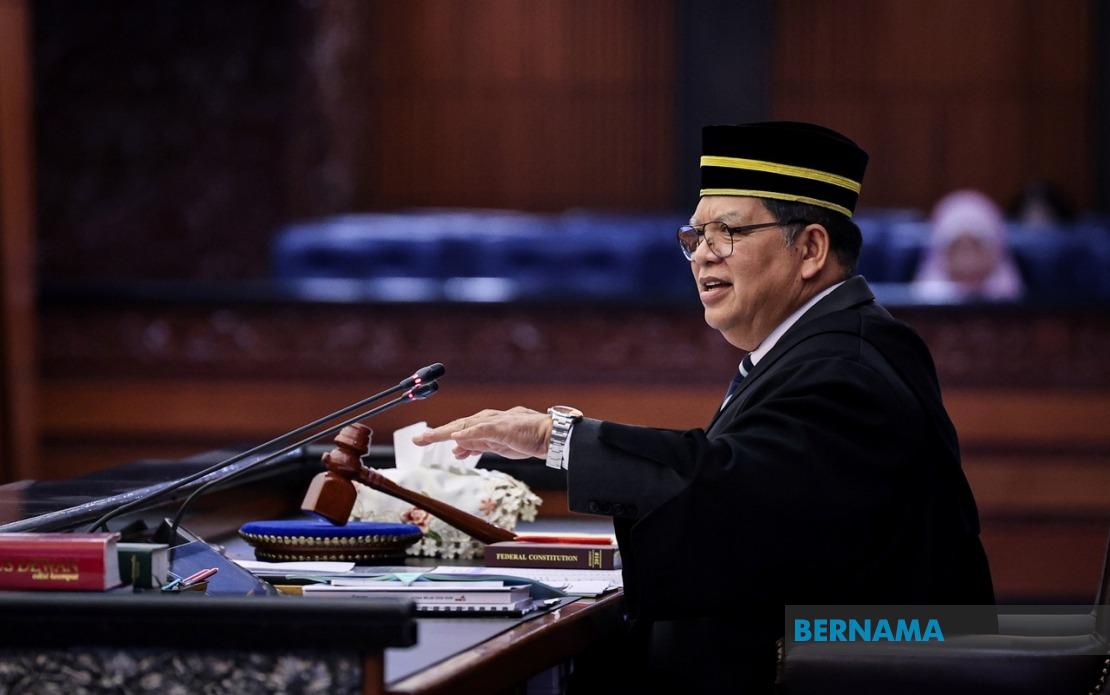
Malaysia's Parliament concluded its second meeting of the current term on July 16 following a productive 16-day legislative session that commenced on June 22. The adjournment marks the completion of a sitting that saw substantial parliamentary work, with Dewan Rakyat Speaker Tan Sri Dr Johari Abdul presiding over proceedings that resulted in the passage of 13 bills and several motions, underscoring the legislative momentum being maintained in the current parliamentary cycle.
The legislative agenda proved diverse and substantive, reflecting government priorities across multiple policy domains. Among the most significant measures approved were amendments to road transport legislation through the Road Transport (Amendment) Bill 2026, which addresses evolving transportation regulations in an increasingly complex logistics landscape. The Sexual Offences Against Children (Amendment) Bill 2026 represents continued parliamentary focus on child protection, a persistent concern across Southeast Asia where vulnerable youth require strengthened legal safeguards. The Cybercrimes Bill 2026 similarly underscores recognition of emerging digital-age challenges, positioning Malaysia's legal framework to combat evolving cybersecurity threats that affect both individuals and enterprises in an increasingly connected economy.
Beyond these headline measures, the chamber passed amendments to competition law through the Competition (Amendment) Bill 2026 and the Competition Commission (Amendment) Bill 2026, intended to strengthen Malaysia's regulatory environment for fair market practices. Agricultural legislation advanced through passage of the Control of Padi and Rice (Amendment) Bill 2026, reflecting government engagement with the farming sector during an era of evolving food security considerations. The Witness Protection (Amendment) Bill 2026 strengthens institutional mechanisms for safeguarding individuals providing testimony in sensitive cases, a crucial element of functional judicial systems across the region.
Legislation addressing professional standards also featured prominently. The Social Work Profession Bill 2026 establishes formal regulation for social work practitioners, a field increasingly recognised as essential to Malaysia's social policy infrastructure. Communications law underwent revision through passage of both the Communications and Multimedia (Amendment) Bill 2026 and the Malaysian Communications and Multimedia Commission (Amendment) Bill 2026, reflecting the telecommunications sector's continued evolution and the regulatory challenges accompanying digital service proliferation.
Parliamentary business extended beyond these legislative measures. The National Trust Fund Bill 2026 and the Statistics Bill 2026 rounded out the legislative package, addressing financial governance and data management respectively. Speaker Johari noted that the sitting encompassed three formal ministerial briefings, one additional ministerial briefing conducted in the Special Chamber, and six separate briefings delivered by Select Committee chairmen regarding reports tabled during the session. This format reflects Parliament's functioning beyond simple bill passage, with parliamentary committees continuing to exercise scrutiny and oversight functions essential to Westminster-system accountability.
The agenda included debate on the 2024 Annual Report of the Human Rights Commission of Malaysia (SUHAKAM), demonstrating Parliament's engagement with human rights issues and institutional accountability mechanisms. Such debates provide platforms for examining government performance against international human rights standards and democratic expectations, matters of considerable significance given Malaysia's international obligations and regional positioning.
Speaker Johari used his adjournment remarks to address matters extending beyond legislative business. He reminded all Members of Parliament to complete health screenings before October 30 and maintain their health records with Parliament, a pragmatic acknowledgment that lawmakers require fitness for their demanding roles. His explicit encouragement for parliamentarians to prioritise wellness during the anticipated election campaign period carries implicit recognition that electoral activity imposes particular physical and mental demands on candidates and sitting representatives alike.
The Speaker further announced that Malaysian Parliament would host a forthcoming programme, though specific details remained limited in available information. He indicated the initiative would welcome participation from Members of Parliament, parliamentary staff, participants in the Malaysian Youth Parliament programme, and members of the general public, suggesting a commitment to broader democratic engagement and civic education beyond the parliamentary chamber itself.
In acknowledging the conclusion of the sitting, Speaker Johari expressed gratitude to all Members of Parliament for their cooperation throughout the 16-day session. His remarks extended appreciation to government officials, parliamentary staff, media representatives, and various parties involved in managing parliamentary proceedings, reflecting the distributed institutional effort required for Parliament's effective functioning. Such recognition underscores that legislative output depends not merely on lawmakers themselves but on the extensive bureaucratic, administrative, and technical infrastructure underpinning parliamentary operations.
The Dewan Rakyat has been adjourned pending determination of the next sitting date, leaving the parliamentary calendar temporarily unscheduled. This recess period typically allows government to assess legislative progress, prepare additional business for future sittings, and permits lawmakers to engage in constituency work and electioneering activities. The 13 bills approved during this session collectively address contemporary governance challenges spanning transport regulation, child protection, cybersecurity, competition law, agriculture, witness protection, professional standards, communications regulation, financial governance, and data management—a portfolio reflecting the breadth of contemporary legislative demands facing nation-states in Southeast Asia's complex modern environment.

