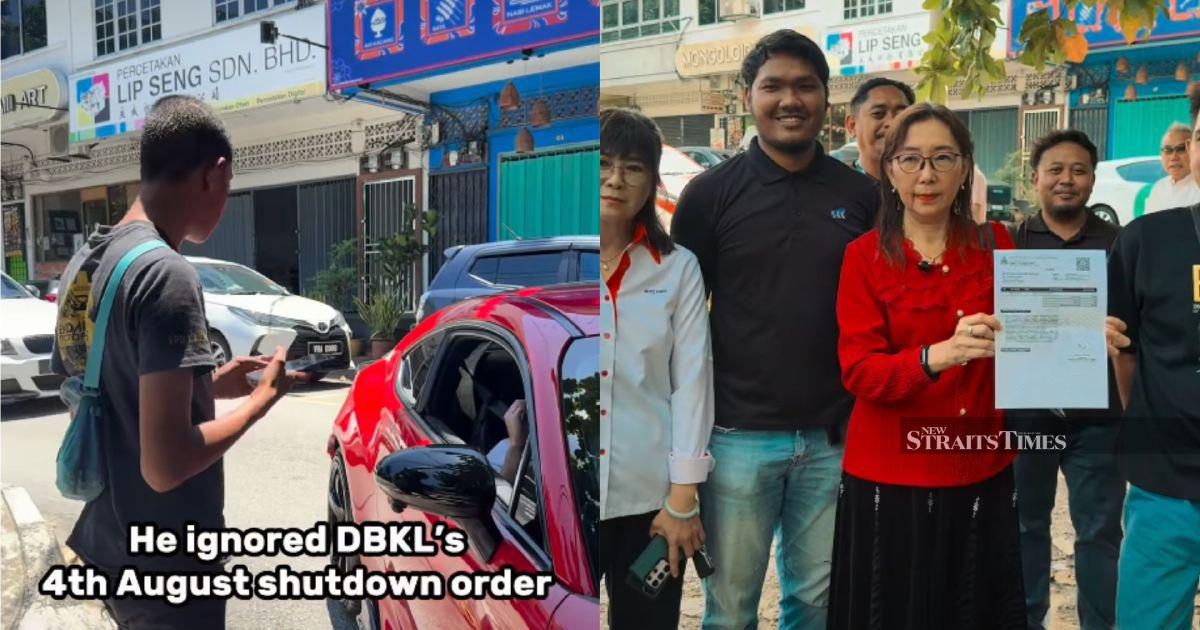
A man operating an illicit parking collection scheme in Kuala Lumpur's Taman OUG neighbourhood has been arrested following a confrontation with enforcement personnel, marking another step in the city's ongoing crackdown on unauthorised parking fee operators. The individual, who had been collecting payments from motorists along Jalan Hujan without proper authorisation, was taken into custody after the incident, which also involved an alleged assault on an enforcement officer.
The arrest underscores a persistent problem affecting Malaysian residential areas, where individuals have established informal parking management operations that lack municipal sanction. These self-appointed collectors position themselves in neighbourhoods to extract fees from vehicle owners, creating a parallel revenue system that benefits neither legitimate council operations nor residents seeking organised parking management. Taman OUG, a established residential area in the capital, has evidently grappled with such unauthorised operators who exploit the demand for parking oversight in congested zones.
The enforcement action came after the suspect disregarded multiple warning notices issued by authorities attempting to halt his activities. Rather than ceasing his operations in response to formal notices, the individual continued his parking collection activities, suggesting either defiance of municipal authority or confidence in avoiding sustained enforcement. This pattern of non-compliance typically prompts escalated intervention from local authorities, who must balance patience with decisive action to maintain the integrity of parking regulations across the city.
The alleged assault component of this incident adds a more serious dimension to what might otherwise constitute a regulatory violation. According to reports, the confrontation between the unauthorised collector and the enforcement officer escalated during their interaction along Jalan Hujan. Such physical confrontations during enforcement operations highlight the sometimes tense dynamics that arise when authorities attempt to reclaim control over informal economic activities that have become embedded in neighbourhood practices.
This development reflects broader challenges facing Kuala Lumpur's municipal enforcement systems, which must address various informal economic activities operating outside regulatory frameworks. Parking collection schemes rank among the more visible of these problems, as they directly affect residents' daily experiences and budgets. Motorists who pay these unofficial collectors effectively subsidise individual operators while receiving no formal protection, receipts, or alignment with legitimate parking management systems that fund local infrastructure improvements.
The incident at Taman OUG may resonate with residents across other Kuala Lumpur neighbourhoods where similar parking collection schemes operate with varying degrees of brazenness. Middle-class residential areas particularly seem vulnerable to such informal arrangements, as residents accustomed to paying for organised parking may accept payments to apparent local managers without verification of their legitimacy. The persistence of these operations suggests that informal networks continue to redistribute what might otherwise flow to municipal revenues.
Authorities have intensified efforts to eliminate such schemes as part of broader city management initiatives. The arrest in Taman OUG demonstrates willingness to pursue enforcement against recalcitrant operators, particularly when confrontation occurs. However, sustained elimination of these networks likely requires complementary strategies addressing root causes, including clarification of parking policies, transparent fee structures for residents, and accessible complaint mechanisms that allow communities to report ongoing illegal collection activities.
The case also highlights how enforcement challenges extend beyond simple regulatory violations. When individuals resist municipal authority through non-compliance and alleged physical confrontation, the situation escalates from administrative matter to potential criminal territory. Law enforcement's involvement, whether investigated or in response to assault allegations, transforms the trajectory from routine code violation to case requiring formal legal proceedings and possible criminal charges.
For residents in Taman OUG and similar communities, the arrest presents opportunity for authorities to reclaim control over parking management and establish legitimate systems aligned with municipal operations. The effectiveness of this intervention depends partly on sustained follow-up enforcement preventing replacement operators from immediately resuming collection activities in the same location, a pattern sometimes observed when authorities arrest one individual without dismantling the broader informal network supporting such operations.

