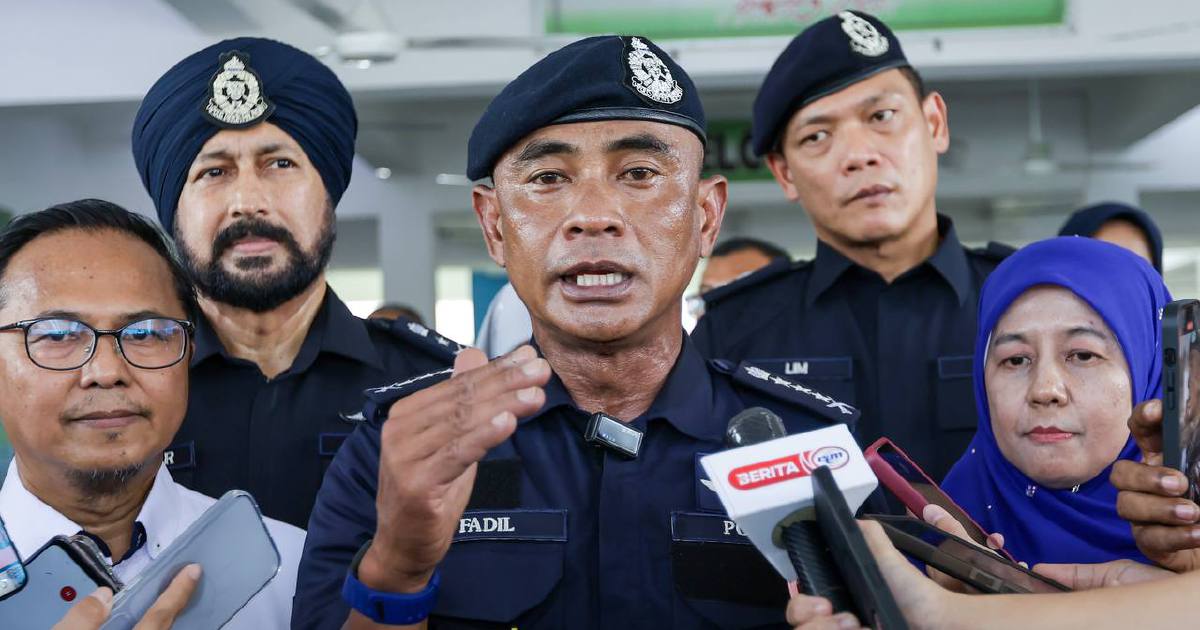
An altercation over a parking space at Viva Home mall in Cheras has resulted in the arrest of twelve individuals following what police described as a serious brawl. Officers responded to reports of the disturbance at the shopping centre's parking area, where the initial dispute between motorists had escalated into a larger physical confrontation involving multiple parties.
The incident underscores a troubling pattern of minor disagreements quickly deteriorating into violence within Malaysian public spaces. Parking disputes remain one of the most common triggers for road rage and interpersonal conflicts in urban areas, yet what began as a routine disagreement over a bay space transformed into a full-scale fight that required police intervention. The fact that the altercation involved a dozen individuals suggests that the situation had drawn bystanders or associates of the original parties into the melee.
Viva Home, a major retail hub in the Cheras district, sits in one of Kuala Lumpur's busier shopping corridors. The mall attracts significant visitor traffic daily, making its parking facilities a frequent flashpoint for minor tensions. Large parking areas with high turnover often create competitive and sometimes aggressive atmospheres as drivers search for spaces, particularly during peak shopping hours. The confined nature of such environments can amplify minor frustrations into confrontations.
Police have launched investigations into the incident to determine the exact sequence of events and identify any individuals who may have played instigating roles in escalating the dispute. Officers typically examine CCTV footage from parking areas to reconstruct such incidents, which becomes crucial evidence in establishing who initiated violence and the proportionality of responses from all parties involved. The detention of a dozen men suggests the investigation remains ongoing, with authorities still gathering statements and assessing charges.
The incident reflects broader concerns among mall operators and shopping centre authorities regarding security management. Many Malaysian shopping malls have strengthened CCTV coverage and security presence in recent years, yet parking areas remain particularly challenging to monitor comprehensively. The open design of many parking lots and the transient nature of visitors create security gaps that become evident when such incidents occur.
For regular shoppers at Viva Home and similar retail establishments throughout Kuala Lumpur, such incidents raise legitimate safety concerns. Customers increasingly consider personal security when choosing where to park and what times they visit shopping centres. A reputation for violence or poor security can influence consumer behaviour and footfall at retail venues, potentially affecting businesses within the mall.
The broader implications for Kuala Lumpur extend beyond this single incident. The city's growing reputation for congestion and increasingly tense traffic conditions has been linked to rising instances of aggressive behaviour among motorists. As vehicle numbers continue climbing and competition for limited parking intensifies, authorities face mounting pressure to find solutions that address both infrastructure shortages and the behavioural factors driving conflicts.
Various stakeholders have proposed measures ranging from improved parking guidance systems and space availability apps to enhanced conflict de-escalation training for security personnel at commercial venues. Some shopping centres have experimented with reserved parking systems and automated management solutions designed to reduce friction points that typically trigger disputes. These technological and procedural interventions aim to eliminate the human confrontation elements inherent in traditional parking environments.
Community leaders and traffic safety advocates have long emphasised the importance of driver courtesy and patience in shared spaces. Public education campaigns promoting respectful behaviour in parking areas, while sometimes dismissed as superficial, reinforce that parking space disputes rarely justify physical confrontation. The gap between understanding this principle intellectually and maintaining composure during real-world frustration remains significant for many drivers.
Police involvement in parking-related incidents creates administrative burdens that might be partially alleviated through environmental design and technology. Shopping malls increasingly recognise that investing in modern parking management systems yields returns through reduced conflict-related incidents, improved customer experiences, and decreased security expenditures. However, implementation across Malaysia's diverse retail landscape remains inconsistent, leaving many facilities reliant on traditional, confrontation-prone systems.
The Cheras incident serves as a reminder that urban growth and infrastructure limitations create psychological pressure on residents navigating increasingly crowded public spaces. When minor frustrations accumulate in poorly designed or managed environments, seemingly small triggers can ignite disproportionate responses. Understanding this dynamic helps city planners, mall operators, and law enforcement develop interventions addressing root causes rather than merely responding to incidents after they occur.

