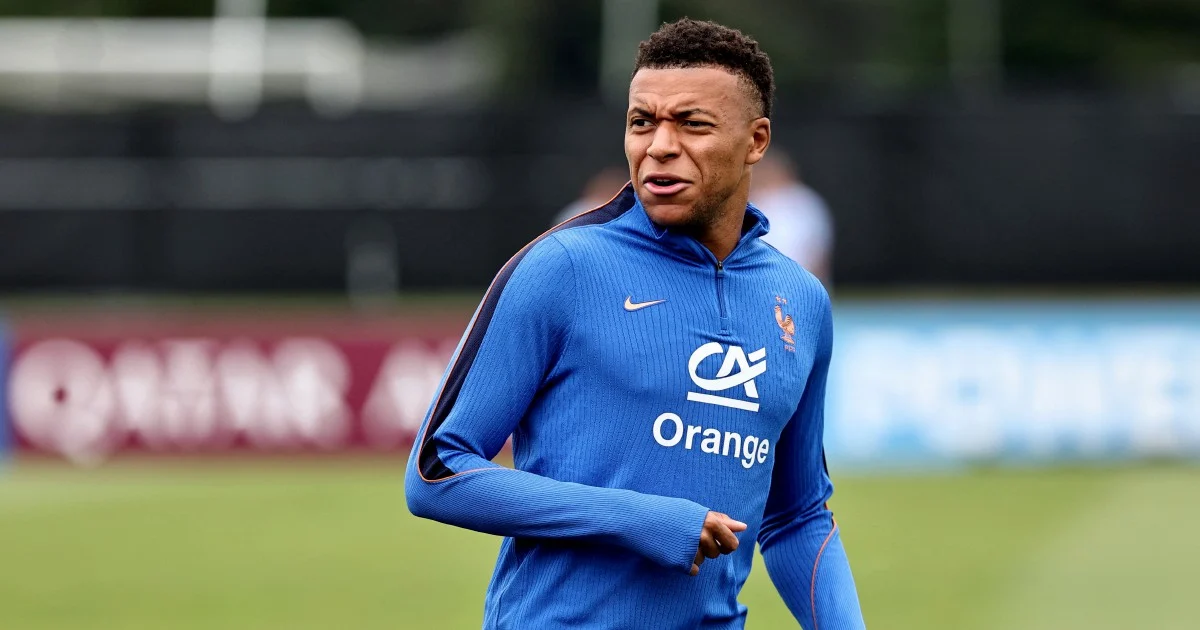
France's public prosecution office in Paris has formally opened an investigation into statements made by a member of Paraguay's legislature concerning national football team captain Kylian Mbappé. The decision, announced on Tuesday, underscores the gravity with which French authorities are treating the comments and represents a significant escalation in what began as a diplomatic row between the two countries.
The investigation signals that prosecutors believe the remarks may have crossed legal thresholds beyond ordinary political commentary. French law provides protection in cases involving defamation, insult, or discrimination based on race, religion, or national origin. The fact that authorities deemed the statements serious enough to warrant formal scrutiny suggests that elements of the remarks may have triggered these legal provisions, though prosecutors have not yet provided extensive detail about the specific nature of their concerns.
Kylian Mbappé has become one of global football's most recognizable figures, particularly following his transfer to Real Madrid from Paris Saint-Germain. His prominence as a French national team captain makes any inflammatory statements about him potentially carry not just personal ramifications but broader implications for Franco-Paraguayan relations. The footballer's status as a symbol of French sporting excellence means that attacks on him can be interpreted as attacks on French national pride and identity.
The Paraguayan politician's comments represent a rare instance of a international sports figure becoming the subject of diplomatic friction. While football frequently stirs passionate reactions across borders, formal legal action by a nation-state against a foreign lawmaker's remarks is comparatively unusual. This escalation reflects how interconnected international politics and sports have become in the modern era, where comments made casually or for domestic political consumption can rapidly assume diplomatic significance.
For Malaysian and Southeast Asian observers, this incident illustrates the complex terrain navigated by public figures in an increasingly globalized world. In our region, where football captains and national teams carry deep cultural and national significance, similar controversy could easily emerge. The incident demonstrates that even casual comments about prominent international sports figures can trigger serious legal and diplomatic consequences, particularly when national pride or sensitive identities are perceived as being attacked.
The investigation also reflects broader European legal frameworks that extend protection beyond simple factual accuracy into areas involving national dignity and personal reputation. These standards differ significantly from legal traditions in many parts of Asia, where the threshold for defamation and insult cases often operates differently. The French approach of investigating statements about a public figure suggests that prosecutors view the remarks as having targeted not merely Mbappé as an individual but potentially invoking considerations of national character or identity.
Paraguay's congress has numerous members representing diverse political interests and regions. The lawmaker in question may have intended their remarks primarily for domestic consumption, reflecting local political debates within Paraguay. However, in an era where statements travel instantaneously across social media and international news channels, the distinction between comments intended for a local audience and those with international impact has essentially collapsed. The Paraguayan politician's comments, regardless of original intent, were rapidly circulated globally and attracted scrutiny from French officials.
The investigation comes at a time when international football diplomacy remains sensitive. Teams preparing for major tournaments carefully manage public relations, and national team captains serve as ambassadors for their countries. Any controversy involving a national team captain can affect squad morale, public confidence in the team, and even performance on the pitch. French authorities' decision to formally investigate suggests they view protecting the reputation of their national team captain as a matter worthy of legal action.
France's move represents a notable instance of a developed Western nation using its legal system to address comments made by a foreign politician about a national sports icon. The investigation may set precedent regarding how countries balance respect for free speech with protection of national figures and dignity. For smaller nations like Paraguay, such investigations by major powers can feel like overreach, potentially creating further diplomatic tensions if the case proceeds to formal charges.
The exact nature of the Paraguayan lawmaker's remarks remains a matter of ongoing discussion, but the decision to investigate indicates that French prosecutors found sufficient cause to believe legal violations may have occurred. This could involve statements that prosecutors characterize as racist, defamatory, or otherwise discriminatory. The investigation will likely examine precisely what was said, in what context, and whether the remarks met thresholds established under French law for criminal liability.
For professional footballers operating internationally, this case serves as a reminder that public statements—whether made about them or by them—can trigger legal consequences well beyond social media backlash. Mbappé, as a global brand and national symbol, occupies a unique position where remarks concerning him attract not just sporting world attention but also formal legal scrutiny from government authorities. The investigation demonstrates that in contemporary global sports culture, a player's reputation is now a matter that national governments may choose to defend through legal mechanisms.
As the investigation progresses, observers will watch whether French prosecutors ultimately bring charges or choose to close the matter. The outcome could influence how other nations approach similar situations involving attacks on their national sports figures. Meanwhile, Franco-Paraguayan relations may face additional strain depending on how the matter develops, illustrating how sports controversies can unexpectedly become entangled with broader diplomatic considerations in our interconnected world.

