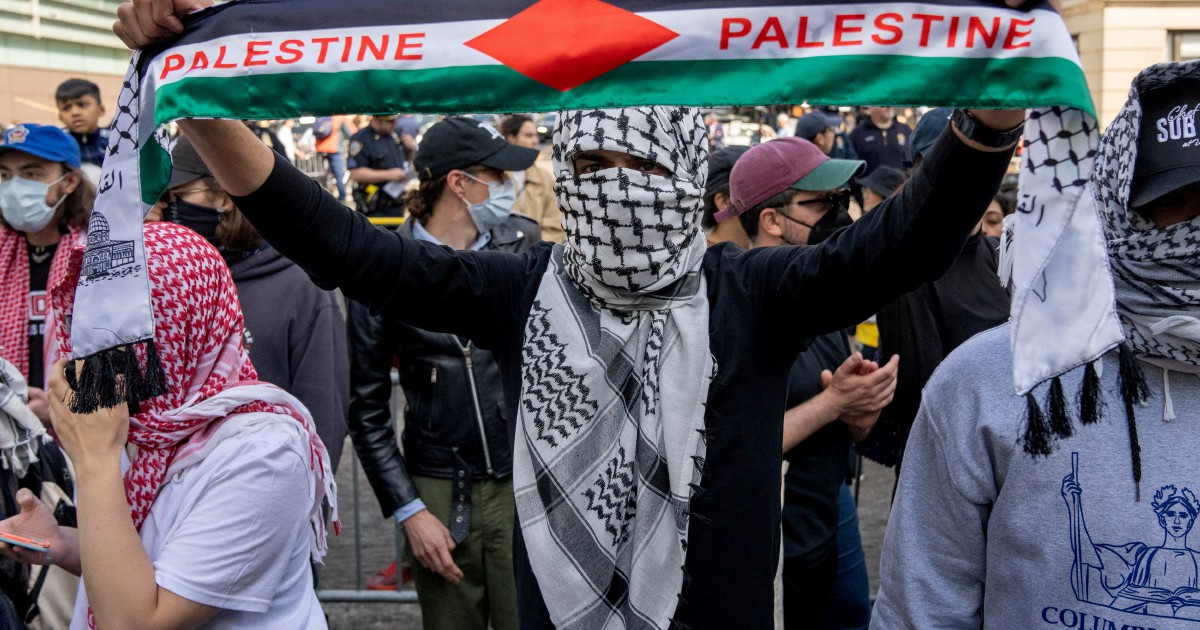
A group of current and former Palestinian students and staff members have initiated legal proceedings against Columbia University, filing suit in New York state court to challenge what they characterize as systemic discrimination within the prestigious institution. The lawsuit, brought forward in recent months, centres on alleged unfair treatment directed at the university's Palestinian population since the latter half of 2023, a period marked by heightened tensions across American universities following regional developments.
The legal action represents an escalation in longstanding debates about campus climate and institutional treatment of Palestinian communities at elite American universities. Columbia University, located in New York City, has been a focal point for discussions around free speech, academic expression, and student activism, particularly concerning Middle Eastern affairs. The filing of this lawsuit signals that some members of the Palestinian community at the institution believe existing channels for redress have proven insufficient, necessitating court intervention to address their grievances.
The timing of the allegations is significant, as late 2023 marked a period of heightened student activism and campus mobilization across North American universities. Multiple institutions witnessed demonstrations, teach-ins, and calls for institutional accountability regarding university policies and investments. At Columbia specifically, the Palestinian community's experiences during this turbulent period form the basis of the current legal challenge. The plaintiffs argue that discriminatory conduct extended beyond isolated incidents to constitute a pattern of systemic mistreatment.
For Malaysian and Southeast Asian observers, this case offers important insights into how universities in different jurisdictions handle minority communities and contested political issues. The lawsuit highlights tensions between institutional neutrality, student activism, and the protection of vulnerable populations on campus. These dynamics are increasingly relevant as universities in the region expand international partnerships and enrol diverse student populations with varied political viewpoints and identities.
The specifics of the alleged discrimination claimed by the plaintiffs warrant careful examination. Universities in contested political environments face inherent challenges in maintaining equitable treatment while protecting freedom of expression and academic inquiry. The question of whether Palestinian students and staff have experienced differential treatment in disciplinary proceedings, access to facilities, or institutional response to harassment touches on fundamental issues of fairness and institutional governance that extend beyond this single case.
Columbia University's response to these allegations will be closely watched by higher education administrators across North America and internationally. Institutions must navigate complex terrain in addressing concerns from minority communities while maintaining their legal positions and institutional policies. The outcome of this litigation could establish important precedents regarding university liability for discrimination and institutional obligations to ensure safe, equitable environments for all community members.
The legal framework governing university discrimination cases in the United States differs significantly from Malaysian legal contexts, yet the underlying principles around fair treatment and institutional accountability resonate universally. American universities operate under federal civil rights statutes and institutional policies that create specific obligations regarding non-discrimination. This case will likely depend on establishing whether Columbia's alleged conduct meets the legal definition of discriminatory treatment under applicable law.
The broader context of Palestinian student experiences at American universities reveals patterns documented by advocacy organizations and independent researchers. Studies have documented instances of surveillance, disciplinary disparities, and community marginalization affecting Palestinian and Arab students at various institutions. Whether Columbia specifically engaged in such conduct remains for the courts to determine, but the allegations reflect concerns that extend across multiple American campuses.
For the Malaysian academic community, this case underscores the importance of developing robust policies ensuring all students feel welcomed and protected regardless of their ethnic, religious, or political background. As Malaysian universities increasingly attract international students and engage in cross-border academic initiatives, cultivating genuinely inclusive environments becomes essential. The Columbia litigation demonstrates that inadequate attention to minority student welfare can generate costly legal disputes and reputational damage.
The lawsuit also illuminates challenges institutional leadership faces in responding to activism around contentious global issues. Universities must balance student demands for institutional accountability with concerns about ideological conformity and academic freedom. The path forward requires transparent policies, fair grievance procedures, and genuine commitment to investigating and remedying discriminatory conduct when it occurs.
This legal action will likely unfold over months or years, with discovery processes potentially revealing institutional communications and policies related to Palestinian students and staff. The testimony and documentary evidence presented will offer significant insight into campus dynamics at one of America's most prominent universities during a particularly fraught period. Regardless of the ultimate legal outcome, the case has already focused attention on how institutions manage diversity and ensure equitable treatment of all community members.

