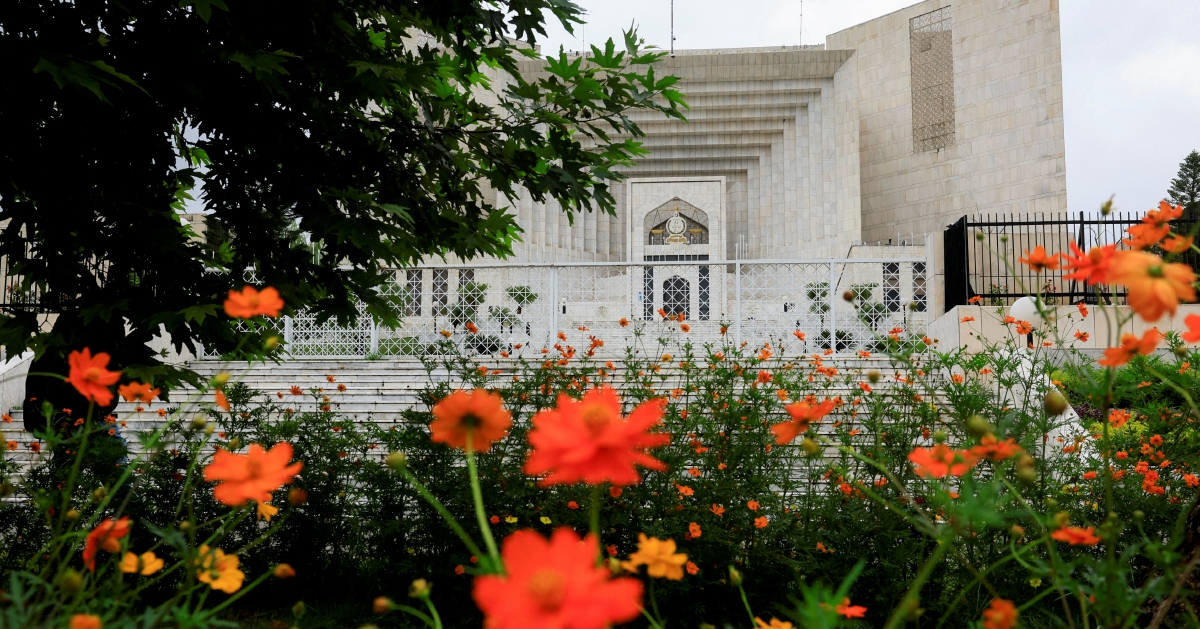
Imran Khan, Pakistan's most prominent political figure and former chief executive, has been transferred to a hospital facility to undergo medical examinations following an intervention by the nation's Supreme Court. The decision to relocate the incarcerated politician came after a formal court order, according to announcements made by his Pakistan Tehreek-e-Insaf party early in the morning on Friday.
The movement of Khan to hospital marks a significant development in his ongoing detention case, which has drawn considerable international attention and sparked ongoing political turbulence within Pakistan. The Supreme Court's directive reflects mounting concerns over the health status of the former premier, who has remained in custody facing multiple legal charges that his supporters claim are politically motivated.
Khan's detention represents one of the most contentious political situations in Pakistan's recent history. Since his arrest, his party has orchestrated mass demonstrations across major cities, arguing that the legal proceedings against him constitute an abuse of judicial authority designed to eliminate a powerful political rival. The hospital transfer now provides an official medical assessment of his physical condition during imprisonment.
The circumstances surrounding Khan's case have intensified scrutiny of Pakistan's judicial independence and democratic institutions. His popularity among younger voters and urban middle-class Pakistanis has made him a transformative figure in the country's politics, particularly following his initial rise to prominence as a cricket icon turned philanthropist before entering electoral politics.
Earlier this year, Khan's political movement mobilized significant street protests, particularly following his unexpected detention. These demonstrations highlighted the deep political divisions within Pakistan and raised questions about the government's handling of opposition figures. The timing of the Supreme Court's intervention—ordering medical evaluation—suggests judicial bodies remain engaged in reviewing aspects of Khan's case.
For observers across South Asia, Khan's situation demonstrates the fragile nature of democratic institutions in larger regional nations. The case raises questions about how nations balance security concerns with individual rights and whether legal systems can maintain impartiality when handling politically prominent figures. Malaysia and other Southeast Asian democracies monitor such developments as cautionary examples of institutional vulnerability.
The hospital transfer itself may provide temporary relief to Khan and his supporters, though his legal status remains unchanged. Medical evaluations conducted under court supervision could determine whether his continued detention is sustainable from a health perspective, potentially influencing subsequent legal proceedings.
Khan's political party has consistently maintained that he has been treated unjustly by the judicial system. The party's engagement with international observers and foreign media has amplified the case's visibility, making it a significant point of discussion in diplomatic circles. The Supreme Court's medical intervention suggests that even within Pakistan's higher judiciary, concerns about Khan's welfare have reached a threshold requiring formal action.
The broader implications extend beyond Khan's individual circumstances. His case reflects structural tensions in Pakistani democracy between elected civilian authorities, the military, judiciary, and opposition movements. These power dynamics have historically complicated Pakistan's political trajectory, and Khan's detention continues this pattern of institutional conflict.
Regional analysts note that Khan's popularity remains substantial despite his incarceration, suggesting that his political movement will likely persist regardless of his immediate legal outcomes. The party's organizational capacity and grassroots support indicate that Pakistani politics will remain shaped by his influence for the foreseeable future.
The Supreme Court's decision to order hospital evaluation demonstrates that even within controversial circumstances, certain judicial oversight mechanisms remain functional. However, observers emphasize that medical intervention alone cannot resolve the deeper political questions surrounding Khan's arrest and the legitimacy of charges against him.
As developments continue, international attention on Khan's case persists. Western nations and regional observers have expressed concern about due process and the application of law in his situation. The hospital transfer represents a procedural step that may influence both domestic political dynamics and Pakistan's international standing regarding human rights and judicial independence.

