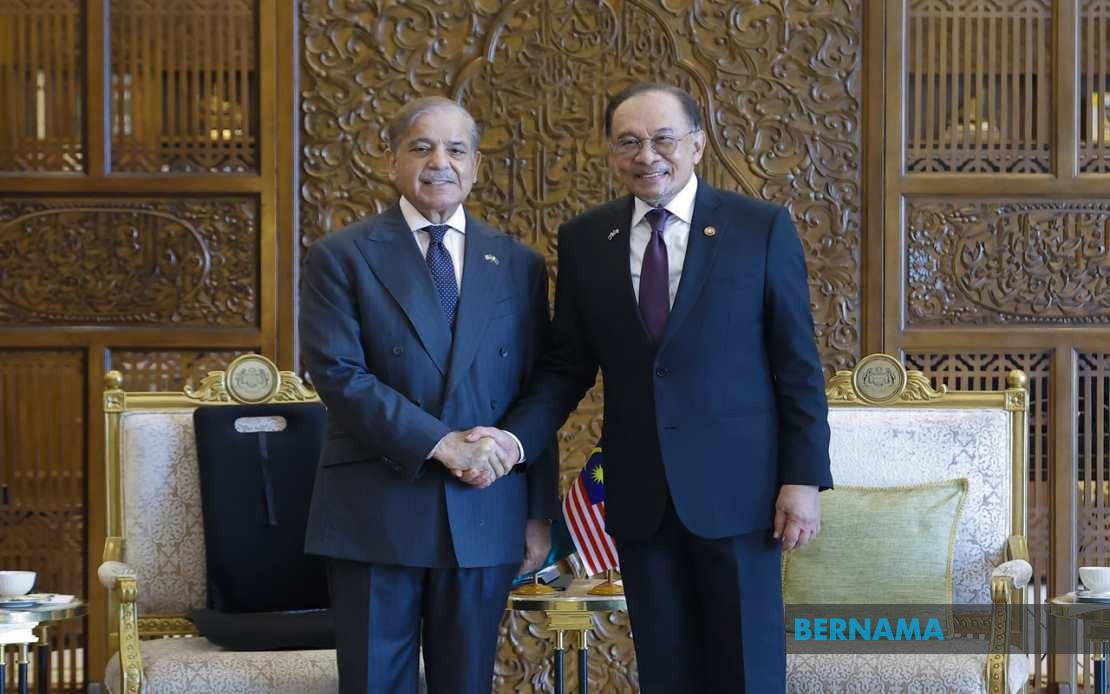
Pakistani Prime Minister Shehbaz Sharif has conveyed his sincere wishes for a smooth and speedy recovery for Malaysian Prime Minister Datuk Seri Anwar Ibrahim, who underwent medical procedures this week. The gesture of solidarity between the two South and Southeast Asian leaders underscores the diplomatic ties maintained at the highest levels of government between Pakistan and Malaysia.
In a public message posted on the social media platform X on Monday, Sharif extended his prayers for Anwar's wellbeing and swift return to his official responsibilities. The Pakistani leader framed his remarks as a personal gesture of care between regional counterparts, invoking religious sentiment by invoking Allah's blessings upon the Malaysian premier. The message reflected the courtesies customarily exchanged among Commonwealth nations and neighbouring states in South and Southeast Asia.
According to Anwar's Senior Press Secretary Tunku Nashrul Abaidah, the Malaysian prime minister underwent a comprehensive series of medical examinations and procedures as prescribed by his team of medical specialists. The announcement provided limited detail about the specific nature of the medical intervention, focusing instead on the clinical protocols being followed to ensure the leader's health. The medical team's involvement signified that the procedures were part of a planned, routine healthcare regimen rather than an emergency response.
The Malaysian leader remained under medical observation for two days following the procedures, a standard precautionary measure that allows healthcare professionals to monitor recovery progress and address any complications that may arise during the immediate post-procedure period. This observation window is consistent with contemporary medical best practices, particularly for procedures requiring anaesthesia or more invasive interventions. The timeframe suggested the procedures were significant enough to warrant close monitoring but not so grave as to necessitate extended hospitalisation.
The exchange between Sharif and Anwar reflects the broader context of bilateral relations between Pakistan and Malaysia, two Muslim-majority nations with shared interests in regional stability, trade, and diplomatic cooperation. Both countries have participated in multilateral forums addressing South and Southeast Asian concerns, and leadership-level courtesy and support during periods of health challenges reinforces these working relationships. The public nature of Sharif's message demonstrated the importance Pakistan places on maintaining strong ties with Malaysia.
In the Malaysian context, such medical procedures by sitting prime ministers are typically conducted with minimal disruption to government operations. The two-day observation period allowed for continuity of governance, with essential functions likely delegated to the Deputy Prime Minister or relevant cabinet members as per constitutional protocols. This arrangement ensured that the nation's administrative apparatus continued functioning smoothly during Anwar's temporary incapacity.
The timing and nature of routine medical procedures for high-ranking officials often generate public interest in Malaysia, given the nation's experience with leadership transitions and health-related absences from office. The transparent communication from the Prime Minister's Office through official press channels helped manage public expectations and dispelled potential speculation about the gravity of the situation. Clear, factual statements from government spokespersons serve to maintain confidence in institutional stability.
For Malaysian readers, such moments highlight the importance of robust succession planning and delegation protocols within government structures. The ability of the nation's administrative machinery to function effectively during the temporary absence of its chief executive reflects the maturity of Malaysia's institutional frameworks, even as the country continues to navigate complex domestic and international challenges.
The broader implications for Southeast Asian stability are modest but noteworthy. Leadership continuity and the health of regional premiers are matters of collective concern in an era of interconnected trade and security arrangements. Pakistan's public expression of support for Anwar's recovery, despite the geographical and organisational distance between South and Southeast Asia, demonstrates how personal relations between leaders facilitate smoother diplomatic engagement across regions.

