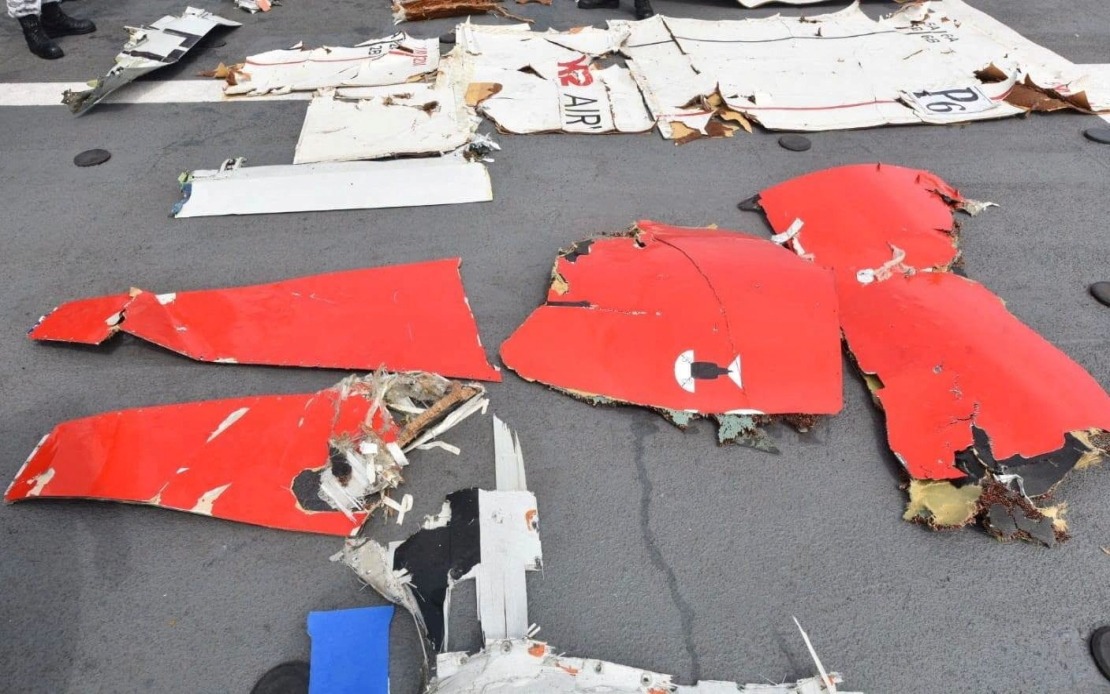
A search operation in the Arabian Sea has yielded fragments of a cargo aircraft operated by K2 Airways, a private Pakistani airline, though the fate of its five-member crew remains unknown. Naval units conducting the recovery effort discovered debris from the Boeing 737 near Amara, located west of Karachi, following an intensive 12-hour search initiated after the plane vanished from radar on Tuesday evening. The Pakistan Civil Aviation Authority disclosed the discovery in a statement posted on social media, marking a significant development in an ongoing maritime search that has been complicated by challenging weather conditions.
The aircraft, which was en route from Sharjah in the United Arab Emirates to Karachi International Airport, lost contact with air traffic control late on Tuesday after the flight crew reported experiencing navigation difficulties. Radar records indicate that the Boeing 737 underwent a rapid descent before disappearing entirely from tracking systems, a sequence of events that has raised serious questions about what triggered the emergency. The circumstances surrounding the loss of contact have become the focus of investigation by Pakistani aviation authorities and government agencies working to establish the exact cause of the incident.
Severe monsoon conditions that have recently commenced across the Arabian Sea region are significantly hampering ongoing recovery operations. Heavy seas and adverse weather patterns are presenting considerable obstacles to search teams attempting to locate additional wreckage and any survivors. These environmental challenges have forced authorities to work methodically and cautiously, as rough conditions make systematic searching of the designated area considerably more difficult and time-consuming than would normally be the case.
K2 Airways has publicly identified the crew members through an official statement released on social media, indicating that the aircraft carried two pilots, two flight engineers, and a loadmaster. The airline expressed its commitment to cooperating fully with the Pakistan Civil Aviation Authority and other relevant government departments involved in the investigation. The company also stated that it continues to pray for the safety and recovery of its personnel, acknowledging the gravity of the situation and the concern affecting the airline and families of those aboard.
Prime Minister Shehbaz Sharif acknowledged the tragedy on Wednesday, expressing formal condolences to the families of the missing crew members. His statement underscored the significance of the incident at the national level and signalled government engagement with the emergency response efforts. The involvement of senior political leadership reflects the seriousness with which Pakistani authorities are treating the disappearance and the priority given to determining what occurred.
The Boeing 737 involved in the incident has a substantial operational history, having entered commercial service in 1999 as a passenger aircraft. The aircraft was subsequently converted to cargo configuration, reflecting a common industry practice of extending the operational life of older airframes by reconfiguring them for freight operations. This conversion and ongoing use suggest the aircraft had been deemed airworthy and maintained according to applicable safety standards, though the specific maintenance records and aircraft condition will undoubtedly form part of the investigation.
K2 Airways itself represents a relatively recent entrant to Pakistan's aviation sector, having commenced operations in 2018. The airline has been operating cargo services in a competitive market, and this incident marks a significant crisis for the still-developing carrier. The company's ability to recover from this tragedy and maintain the confidence of its stakeholders will depend heavily on the outcomes of the investigation and the transparency demonstrated throughout the process.
For Malaysian and Southeast Asian readers, this incident carries relevance beyond its immediate geographical context. The Arabian Sea region through which this flight was operating represents a crucial maritime corridor for regional commerce and aviation, with numerous aircraft from Southeast Asian carriers regularly transiting the area. The incident underscores the persistent challenges that aviation operations face in regions subject to severe weather patterns, particularly during monsoon seasons when conditions can deteriorate rapidly and unexpectedly.
The disappearance also highlights vulnerabilities in maritime and aviation safety systems across South Asia. While modern aircraft are equipped with sophisticated navigation and communication systems, the incident demonstrates that technical failures, particularly in navigation systems, can occur with potentially catastrophic consequences. The investigation into what specifically failed—whether navigation systems, communication equipment, or structural issues—will provide valuable insights that could influence safety practices across regional carriers and operators.
From a broader perspective, cargo aviation operations in this region operate under considerable pressure to maintain schedules and profitability, potentially creating tension with safety protocols. The incident involving K2 Airways may prompt regulatory reviews across Pakistani aviation authorities regarding maintenance standards, crew training requirements, and operational procedures for cargo flights, particularly those operating in challenging maritime environments during adverse weather seasons.
The ongoing search operation represents a significant commitment of naval resources and represents Pakistan's determination to recover the crew members and establish definitively what transpired. The discovery of wreckage fragments, while tragic, at least provides a geographic location for the incident and may enable more targeted investigation once weather conditions permit more extensive recovery operations. The multinational nature of maritime incidents such as this—occurring in international waters with involvement of various nations—underscores the importance of international cooperation in aviation safety and accident investigation protocols.

