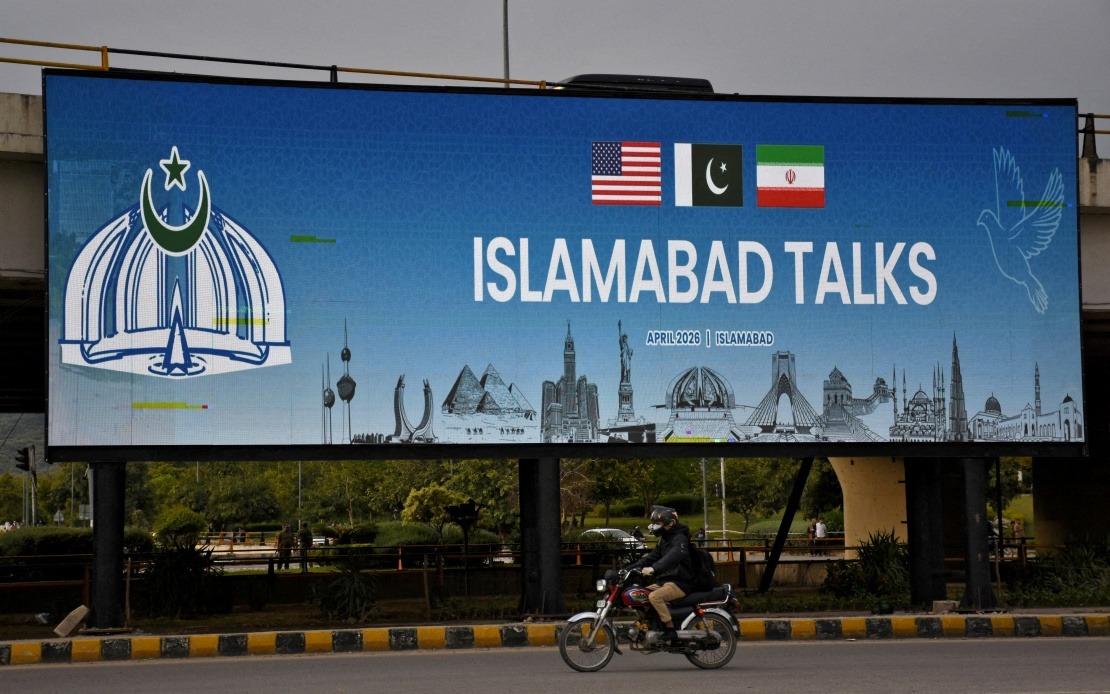
Pakistan will become the venue for high-stakes negotiations between the United States and Iran on July 11, marking the next phase of diplomatic efforts to resolve longstanding tensions between the two nations. The development represents a significant diplomatic milestone in the volatile Middle Eastern landscape, with the two powers attempting to rebuild channels of communication after years of adversarial posturing. The choice of Pakistan as a neutral host underscores the delicate nature of these talks and the need for a trusted intermediary in regional diplomacy.
The agenda for the forthcoming discussions is expected to be comprehensive, addressing three critical pillars of contention that have defined US-Iran relations for decades. The talks will examine the architecture of international sanctions imposed on Iran, the mechanics of unfreezing Iranian assets that have been locked in foreign financial systems, and the contentious nuclear dimension that has been at the heart of negotiations for over a decade. Each of these elements carries profound implications not only for bilateral relations but for regional stability across the Middle East and beyond.
The timing of these negotiations comes shortly after significant developments in Iran's political landscape. The Iranian delegation's composition will be finalised following the funeral of former Supreme Leader Ali Khamenei, scheduled for July 9. This suggests that high-level Iranian decision-makers will need to coordinate their negotiating positions following this major political transition, which may influence the pace and nature of discussions with Washington.
The foundation for these talks was laid through a crucial development in late June when both nations undertook an unprecedented joint action. On the night of June 18, the United States and Iran executed a remote signing of a memorandum that formally ended the military conflict that had erupted on February 28. This agreement represents a rare moment of mutual acknowledgment that continued hostilities serve neither nation's strategic interests and that diplomatic channels remain viable alternatives to armed confrontation.
Beyond the immediate ceasefire, the memorandum contains concrete commitments regarding two critical areas of bilateral dispute. The document outlines a specific timeline for the United States to dismantle its naval blockade of Iranian ports, a longstanding point of friction that has severely constrained Iran's maritime trade and economic activity. Simultaneously, Iran has committed to restoring shipping operations through the Strait of Hormuz, one of the world's most strategically important waterways through which a significant proportion of global energy supplies transit.
The nuclear dimension remains perhaps the most technically complex and diplomatically sensitive element of the negotiations. Iran has formally committed not to pursue the acquisition of nuclear weapons, acknowledging international security concerns that have driven decades of diplomatic and economic pressure. However, the resolution of Iran's broader nuclear programme—its civilian applications, enrichment capabilities, and technical scope—requires separate negotiations that both sides have designated for completion within a 60-day window.
For Iran, the ultimate objective driving its engagement in these talks is straightforward: the wholesale removal of the sanctions architecture that has crippled its economy and isolated it from global financial systems. The Iranian government has consistently articulated that meaningful progress on sanctions relief is the prerequisite for sustained cooperation on nuclear matters and other issues. This negotiating position reflects the cumulative toll that over a decade of economic pressure has imposed on ordinary Iranians and state revenues.
The broader implications of these talks extend well beyond the bilateral relationship. For Southeast Asia and specifically Malaysia, the potential normalisation of US-Iran relations carries significant consequences. A reduction in tensions in the Middle East typically results in more stable global energy markets, benefiting energy-importing nations throughout the region. Additionally, decreased geopolitical volatility in the Middle East creates a more predictable environment for regional security and reduces the risk of proxy conflicts that might draw in external powers.
The choice of Pakistan as the host venue itself merits careful observation from regional analysts. Pakistan has historically played a complex role in Middle Eastern geopolitics, maintaining relationships with both Western powers and Iran-aligned entities. Its selection as a neutral ground suggests that both Washington and Tehran view Pakistan as possessing sufficient credibility and organisational capacity to facilitate sensitive negotiations. However, Pakistan's own internal dynamics and its competing strategic interests add another layer of complexity to these discussions.
The success or failure of the July 11 negotiations will significantly influence the trajectory of Middle Eastern politics throughout the remainder of the year. If both sides can achieve substantive agreements on the intermediate issues of sanctions architecture and asset unfreezing, the subsequent 60-day nuclear negotiations will proceed from a position of demonstrated goodwill and mutual problem-solving capacity. Conversely, if these initial talks deadlock on fundamental issues, the nuclear component may become impossible to resolve within the designated timeframe.
For Malaysia and other nations in the region, these developments warrant close attention. The Middle East remains a critical source of energy imports and a significant market for Malaysian goods and services. Any major shifts in the region's political economy inevitably ripple outward, affecting supply chains, investment flows, and the broader calculus of regional security competition. The unfolding diplomatic process in Pakistan may ultimately reshape the geopolitical landscape that influences Malaysian foreign policy and economic interests.
The diplomatic machinery now in motion reflects a recognition by both the United States and Iran that their confrontational trajectory has reached a point of diminishing returns. Whether this recognition translates into durable agreements that address the legitimate security and economic concerns of both nations remains to be tested in the coming weeks. The July 11 talks in Pakistan will provide the first substantive indication of whether genuine movement toward normalisation is achievable or whether fundamental incompatibilities persist beneath the surface of recent diplomatic overtures.

