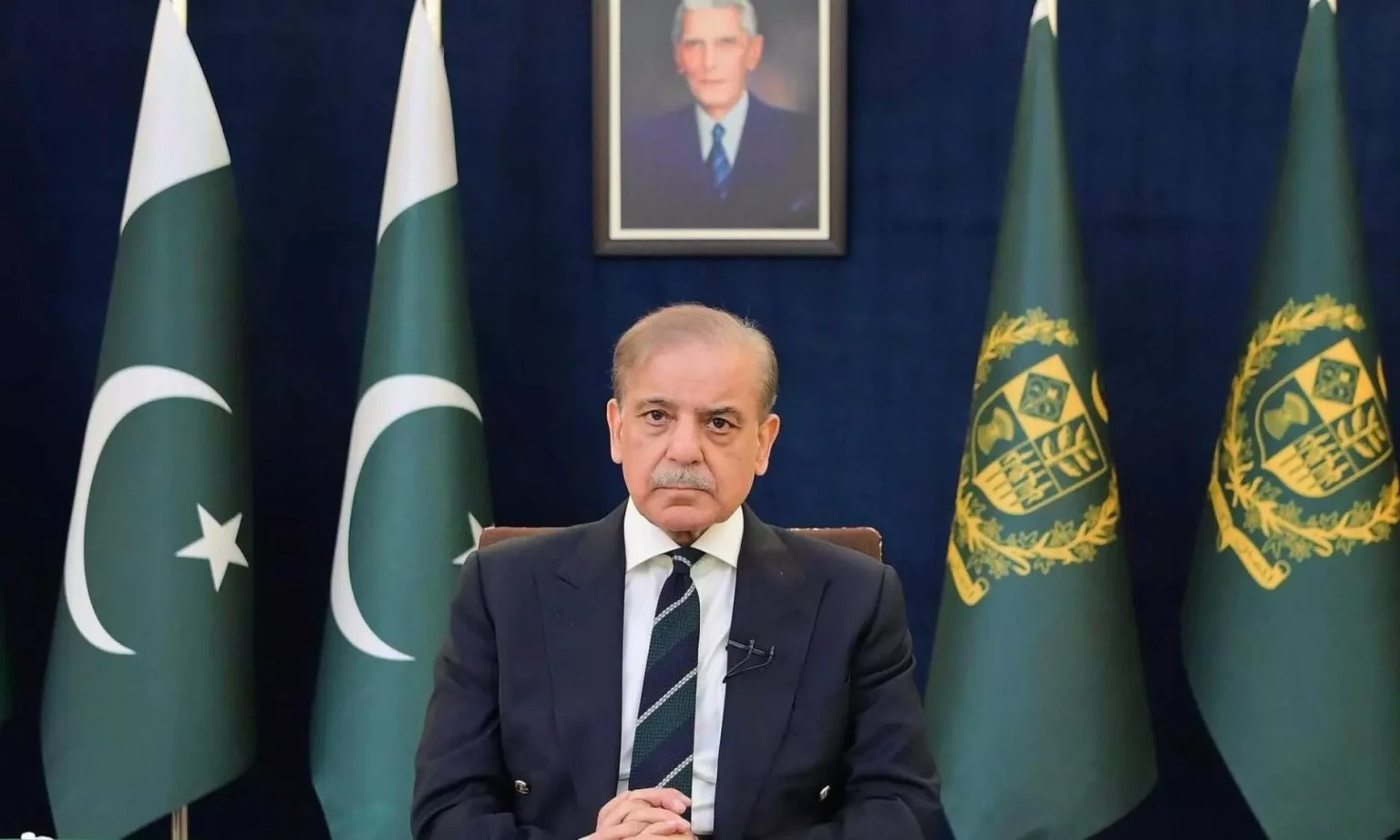
Pakistan Prime Minister Shehbaz Sharif will attend the funeral of Iran's Supreme Leader Ayatollah Ali Khamenei in Tehran on July 4, according to an announcement made by Pakistan's Foreign Ministry spokesman Tahir Andrabi during a media briefing in Islamabad on Thursday. The high-level attendance underscores the importance Pakistan places on its relationship with Iran, particularly during a period of significant political transition in the Islamic Republic following Khamenei's death.
The Pakistani delegation will formally present condolences on behalf of both the government and people of Pakistan to Iran's leadership and the families mourning Khamenei's passing. This diplomatic gesture carries particular weight given the long-standing ties between Islamabad and Tehran, which span decades of strategic cooperation across multiple domains including energy, security, and regional stability initiatives. The participation of Pakistan's top leadership sends a clear message of solidarity during this period of transition for Iran's political establishment.
Shehbaz Sharif's visit is part of a broader three-day foreign engagement spanning July 3 to 5, reflecting Pakistan's active diplomatic calendar in the region. The delegation will be substantial in composition, including Deputy Prime Minister and Foreign Minister Ishaq Dar alongside several other members of the cabinet. This high-powered representation demonstrates Islamabad's commitment to maintaining and strengthening its bilateral relationships with key regional actors at a critical juncture.
Following the funeral proceedings in Tehran, Pakistan's Prime Minister will proceed to Turkey at the specific invitation of Turkish President Recep Tayyip Erdogan. This extension of the trip signals the interconnected nature of Pakistan's diplomatic engagements with major regional powers. The scheduled discussions between Sharif and Erdogan will address both bilateral matters and broader regional issues of mutual concern, reflecting the triangular relationship that exists between Pakistan, Turkey, and Iran within the framework of South Asian and Middle Eastern geopolitics.
The timing of this diplomatic visit coincides with India's own representation at the funeral ceremony, with New Delhi designating Bihar state governor Syed Ata Hasnain and deputy foreign minister Pabitra Margherita to attend Khamenei's funeral. This parallel attendance by South Asian nations underscores the international significance of the Iranian Supreme Leader's passing and the importance that major regional and global players attach to maintaining diplomatic presence during such significant state occasions.
For Malaysian and Southeast Asian observers, this diplomatic engagement illustrates the complex web of relationships that define contemporary South and West Asian politics. Pakistan's active participation in attending Iran's state funeral, combined with its planned engagement with Turkey, demonstrates how regional powers maintain balanced relationships with various stakeholders. The composition of Pakistan's delegation, particularly the inclusion of Foreign Minister Ishaq Dar, suggests that substantive discussions regarding strategic cooperation and regional security matters will form part of these engagements.
The funeral of Ayatollah Ali Khamenei, who led Iran for over three decades, represents a defining moment in Iranian politics and has prompted international responses from neighbouring and allied nations. Pakistan's decision to send its Prime Minister reflects the depth of bilateral relations and Pakistan's interest in maintaining stable relations with Iran as the Islamic Republic navigates this period of political transition. Such high-level diplomatic presence at state funerals serves multiple purposes, including demonstrating respect for the deceased leader and signalling continuity in bilateral relationships regardless of internal political changes.
The subsequent visit to Turkey demonstrates Pakistan's engagement with what many analysts describe as the broader Sunni-majority regional constellation of powers, while the Iran visit shows Islamabad's simultaneous commitment to maintaining pragmatic relations with Shia-majority Iran. This balancing act has long been a cornerstone of Pakistani foreign policy, particularly in managing its relationships with both Middle Eastern powers and maintaining stability along its western border region where both Sunni and Shia communities coexist.
From a broader Southeast Asian perspective, these diplomatic movements remind observers of how interconnected regional security architectures have become, with South Asian developments often intersecting with Middle Eastern geopolitical trends. Pakistan's active diplomatic engagement in attending state funerals and maintaining high-level bilateral dialogue channels reflects the ongoing importance of traditional diplomacy in managing interstate relations, even as major powers diversify their engagement strategies through multilateral forums and economic partnerships.

