Pakistan and Syria are pursuing an ambitious agenda to strengthen bilateral relations across multiple sectors, marking a significant shift in the two countries' engagement following Syrian Foreign Minister Asaad Hassan Al Shaibani's visit to Islamabad this week. The visit represents the first appearance of a Syrian foreign minister in Pakistan in approximately two decades, underscoring the symbolic importance both nations place on rekindling their diplomatic partnership during a period of substantial geopolitical realignment in the Middle East and South Asia.
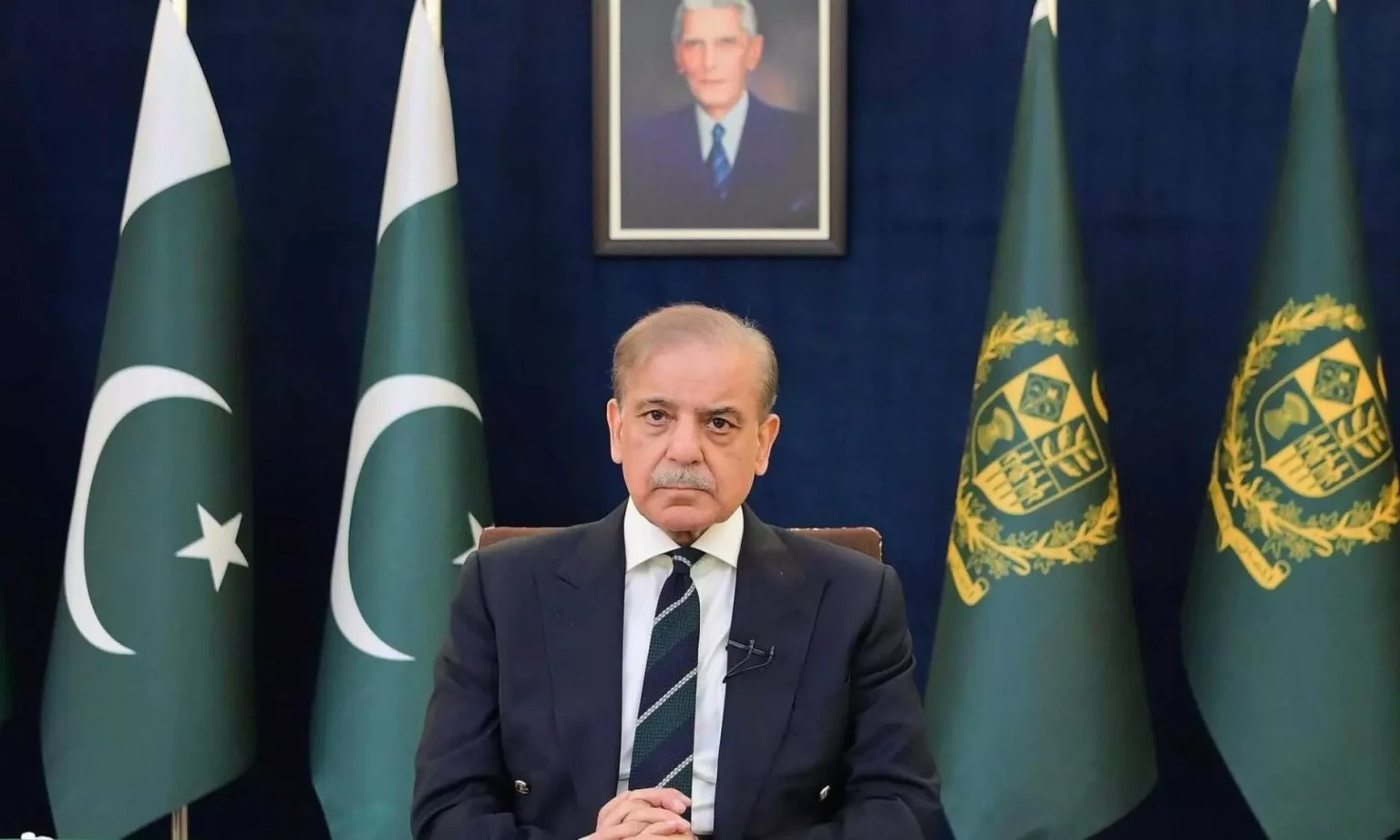
During his stay in the Pakistani capital, Shaibani met with Prime Minister Shehbaz Sharif and conducted extensive discussions with key government officials responsible for defence, commerce, and foreign policy. Prime Minister Sharif used the occasion to reaffirm Pakistan's unwavering commitment to Syria's national unity, sovereignty, and territorial preservation, while also expressing strong support for Syria's position regarding the Golan Heights—a particularly sensitive issue that reflects broader Arab-Israeli tensions in the region.
The government of Pakistan issued a formal statement emphasising the historical depth of relations between the two nations and articulating a vision for translating traditional friendship into concrete cooperative frameworks. Sharif particularly highlighted the necessity of expanding collaboration across multiple dimensions, specifically mentioning political dialogue, defence partnerships, commercial expansion, investment opportunities, educational exchanges, and human capital development. This comprehensive approach suggests Pakistani leadership views Syria not merely as a regional actor but as a potential partner capable of contributing to Pakistan's broader strategic objectives in West and Central Asia.
A particularly pragmatic element of the bilateral agenda involves aviation connectivity. Both governments are actively exploring the resumption of direct flight services between their respective territories, recognising that improved transportation infrastructure serves as a crucial catalyst for strengthening cultural ties, facilitating business travel, and enhancing people-to-people contact. Such initiatives often precede deeper economic integration and can contribute to mutual understanding during periods of diplomatic thaw.
Pakistan's Deputy Prime Minister and Foreign Minister Ishaq Dar participated in substantive exchanges with Shaibani covering a spectrum of regional concerns and international developments. These conversations encompassed several geopolitically significant issues: the Palestinian question, the contested status of the Golan Heights, Afghanistan's ongoing instability, South Asian regional dynamics, and the broader situation across West Asia. The breadth of these discussions indicates both countries share overlapping strategic interests and perceive mutual benefit in coordinating positions on critical regional matters.
Notably, the Syrian foreign minister expressed formal appreciation for Pakistan's recent adoption of the Makkah Joint Defence Agreement, a multilateral security framework aimed at fostering regional stability. Shaibani further commended Pakistan's diplomatic contributions toward promoting peace and equilibrium across the Middle East, particularly acknowledging Pakistan's constructive engagement in de-escalation efforts related to United States-Iran tensions. This commendation suggests Syria views Pakistan as a potentially valuable intermediary or partner in navigating the complex security environment that currently defines West Asian geopolitics.
The commercial dimension of the bilateral engagement received particular attention during separate discussions between Shaibani and Pakistani Commerce Minister Jam Kamal Khan. These officials explored avenues for expanding trade volumes and investment flows between their nations, with Syrian officials specifically outlining their country's substantial infrastructure and reconstruction requirements following years of internal conflict. Syria's reconstruction needs present opportunities for Pakistani construction companies, engineering firms, and businesses seeking to extend their regional presence while contributing to Syria's post-conflict recovery efforts.
Commerce Minister Khan advocated for enhanced private sector interaction between Pakistan and Syria, recognising that government-to-government frameworks prove most effective when supported by robust commercial relationships and business-to-business networks. Complementing this approach, Shaibani proposed establishing a joint business council specifically designed to facilitate and promote commercial partnerships between enterprises in both countries. Such institutional arrangements typically streamline deal-making, reduce transaction costs for participating businesses, and create formal channels for addressing commercial disputes and regulatory obstacles.
From a Southeast Asian perspective, Pakistan-Syria engagement carries implications for regional balance and the broader architecture of Asian geopolitics. Pakistan's strengthened connections with Middle Eastern states enhance its strategic positioning and create additional pathways for economic diversification. For Malaysia and other ASEAN nations, these developments underscore the importance of maintaining robust diplomatic engagement across Asian regions, as Middle Eastern stability and connectivity patterns influence global trade flows, investment patterns, and security dynamics that affect Southeast Asian interests.
The timing of this diplomatic initiative reflects Syria's gradual international rehabilitation following its civil conflict and return to the Arab League in May 2023. Pakistan's engagement with Syria should be understood within this context of Syrian reintegration into regional and international systems. As Syria rebuilds its external relationships and infrastructure, countries like Pakistan position themselves as partners in this process, potentially securing commercial advantages and strengthening their own regional diplomatic networks.
These developments suggest Pakistan views deepened Syrian engagement as part of a broader strategy to expand its influence and economic reach throughout the Middle East and beyond. By simultaneously advancing security cooperation, commercial partnerships, and cultural exchanges, Pakistan demonstrates a sophisticated understanding that durable international relationships rest upon multiple reinforcing foundations rather than single pillars. The success of these initiatives will likely depend on implementation capacity, the stability of Pakistan's own political situation, and the trajectory of Syria's reconstruction efforts over coming years.

