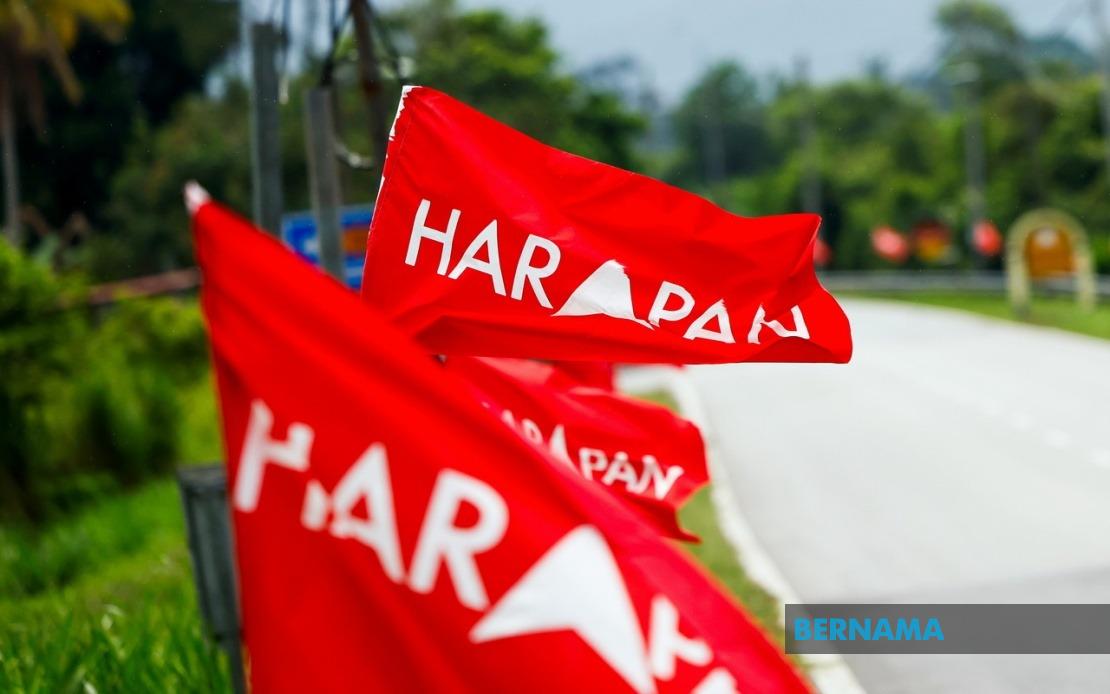
Pakatan Harapan is preparing to unveil its election platform for the 16th Negeri Sembilan state election, with the manifesto launch scheduled for tomorrow evening in a public presentation. The coalition has crafted what its leadership describes as a comprehensive policy document designed to demonstrate how it will maintain the development trajectory the state has experienced over the past six years under its administration.
Datuk Muhammad Zaki Md Sabri, who coordinates PH operations in Negeri Sembilan, emphasized that the manifesto reflects extensive deliberation among senior party figures to ensure that proposed initiatives deliver tangible economic and social benefits to voters. The document aims to provide clarity on the coalition's vision for the state's future, particularly in sustaining the prosperity that residents have enjoyed since PH assumed power following the 2018 general election. Officials will announce further details regarding the venue and the attending senior leadership once final arrangements are confirmed.
The timing of this launch reflects the competitive nature of the campaign, now in its second operational day as various parties mobilize their ground machinery. PH's regional leadership has reported encouraging early signs, noting that campaign logistics are functioning smoothly and that their candidates are receiving positive responses from constituents they encounter while canvassing. This grassroots momentum, according to party officials, suggests receptiveness among voters to the coalition's message as campaigning intensifies.
Muhammad Zaki also addressed broader concerns about the conduct of electoral campaigns, calling on all contending parties to maintain professional standards during the contest. He specifically advocated for restraint regarding provocative messaging and urged parties to avoid unnecessarily invoking sensitivities around the "3R" framework—religion, royalty, and race—which remain delicate topics in Malaysian political discourse. Such appeals for civility reflect established conventions in Malaysian electoral practice, where parties typically agree to avoid stirring communal tensions that could destabilize social harmony.
Negeri Sembilan's electoral process has entered its official phase following the dissolution of the state legislative assembly on June 5. The Election Commission has designated August 1 as polling day, with early voting facilities available on July 28 for military personnel, their families, and police officers who may be unable to vote on the main election day. This phased voting arrangement, now standard practice in Malaysian elections, accommodates those in service roles while expanding overall participation opportunities.
Approximately 889,490 registered voters across the state are eligible to participate in this election, representing a substantial electorate that any winning coalition must address. These eligible voters comprise three categories: 867,151 ordinary civilian voters who will vote on August 1; 16,884 military personnel and their spouses eligible for early voting; and 5,455 police personnel in the same early voting category. The distribution highlights the economic structure and security personnel concentration within the state.
For Pakatan Harapan, this election represents an opportunity to consolidate power after establishing governance credibility during their first term. The coalition must convince voters that their administration has delivered on development promises while positioning their manifesto proposals as logical continuations of successful policies. In a state where electoral fortunes have historically shifted, retaining voter confidence requires demonstrating concrete improvements in living standards, infrastructure, and service delivery.
The manifesto's emphasis on "continuity" carries strategic weight in Malaysian state elections, where voters frequently evaluate incumbent governments on their record of maintaining or improving public welfare. By framing their platform around proven achievements rather than radical change, PH appears positioned to appeal to those satisfied with current governance while addressing remaining concerns about development gaps or service gaps. This approach differs markedly from opposition parties, which typically emphasize alternative approaches and criticize incumbent performance.
Negeri Sembilan's political trajectory since 2018 has differed from federal-level developments, particularly following the collapse of the PH coalition at the national level in 2020 and subsequent political realignments. However, the state maintained its PH administration despite these federal upheavals, demonstrating either strong local support or effective political management. How voters assess these developments—the national political turbulence against state-level stability—will significantly influence the election outcome.
The manifesto launch tomorrow will provide the first detailed public articulation of PH's campaign platform, allowing voters and media to examine specific proposals beyond the general messaging already circulating. Journalists and political observers will scrutinize the document for concrete commitments regarding infrastructure projects, economic initiatives, education and health service improvements, and any adjustments to previous policy directions. The comprehensiveness and credibility of these proposals will substantially shape how the campaign evolves during the remaining two weeks before polling day.

