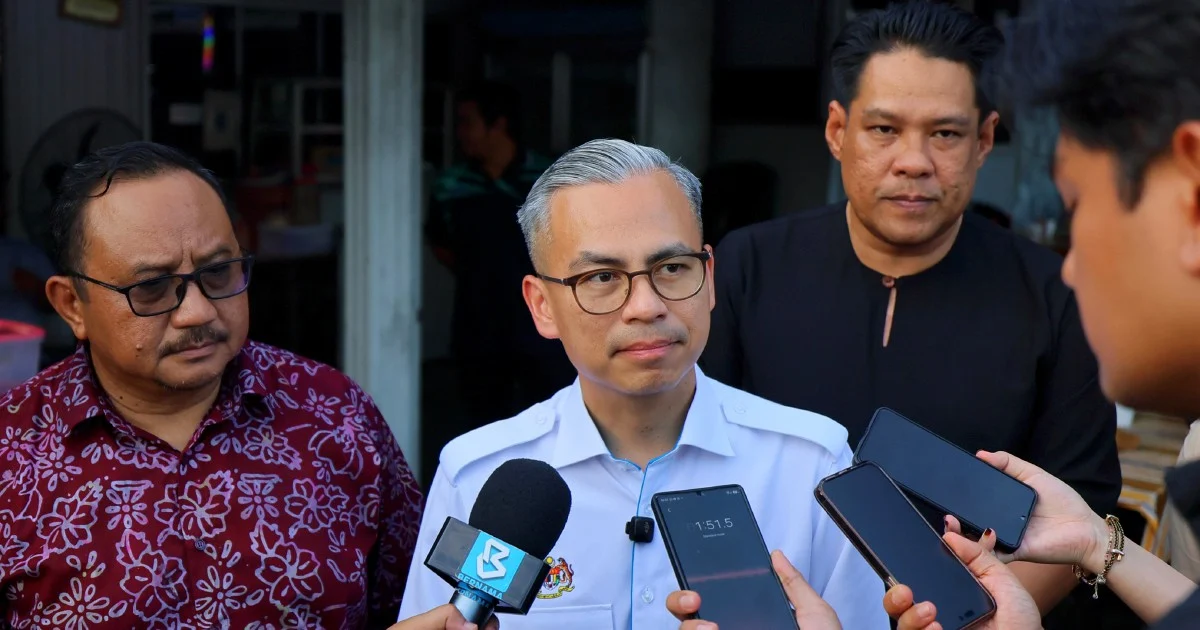
Pakatan Harapan has outlined a combined strategy for the forthcoming Johor state election that integrates digital platforms with on-the-ground mobilisation efforts, according to party leadership speaking in Batu Pahat. The coalition's approach reflects evolving campaign methodologies in Malaysian politics, where traditional door-to-door canvassing now shares strategic weight with social media engagement and online voter outreach.
The shift towards a hybrid model underscores a broader recognition within PH circles that voters increasingly consume political messaging through diverse channels. Rather than relying exclusively on either traditional canvassing or digital promotion, the party is investing resources in both domains simultaneously, ensuring penetration across demographic groups with varying media consumption habits. This parallel deployment mirrors international campaign trends where successful electoral efforts integrate legacy and emerging communication channels.
Digital campaigning offers PH particular advantages in Johor, a state with significant urban and semi-urban concentrations where internet penetration and social media usage are high. Online platforms allow the coalition to disseminate messages rapidly, conduct micro-targeted outreach to specific voter segments, and generate grassroots engagement through interactive content. The scalability of digital methods also permits greater message consistency across numerous campaign venues without the coordination challenges inherent in large-scale physical canvassing operations.
Conversely, ground campaigning remains essential for building personal connections between party representatives and constituents. Face-to-face interactions enable candidates to address localised concerns, demonstrate accessibility, and foster the trust-building relationships that often prove decisive in close electoral contests. Johor's diverse communities—ranging from manufacturing-heavy industrial centres to agricultural regions—benefit from on-ground campaign teams capable of tailoring messaging to neighbourhood-specific priorities and concerns.
The two-track approach also addresses resource allocation realities. PH must deploy limited volunteer bases and campaign personnel efficiently across all state constituencies. By combining digital reach with selective physical presence, the coalition can amplify its campaign footprint without requiring proportionally larger organisational infrastructure. Campaign volunteers can focus on high-priority constituencies requiring intensive ground work while digital teams maintain continuous engagement statewide.
Johor represents a significant political battleground within Malaysian electoral dynamics. As Malaysia's second-most populous state, it holds substantial parliamentary representation and serves as a bellwether for regional political sentiment. The state has experienced competitive three-way contests involving PH, Barisan Nasional, and Perikatan Nasional in recent cycles, making strategic campaign execution particularly consequential. Election results in Johor often influence national political calculations and coalition-building efforts.
The timing of the announcement reflects pre-election positioning as PH prepares voter bases for intensifying campaign activities. Leadership communications outlining campaign strategies serve multiple functions: they signal party readiness to supporters, establish narrative frames for upcoming messaging, and demonstrate professionalisation of campaign operations to undecided voters. By publicly articulating a sophisticated, evidence-informed approach, PH seeks to project competence and serious electoral intent.
Regional considerations underscore the election's significance for Malaysian politics broadly. Johor elections frequently demonstrate shifting voter preferences before they crystallise into larger national movements. Strong PH performance would reinforce the coalition's relevance within broader Malaysian political competition, whilst disappointing results might necessitate strategic recalibration. Other opposition parties and BN components monitor Johor dynamics carefully, as state election outcomes frequently presage electoral trends affecting subsequent national contests.
The hybrid strategy also reflects lessons from previous electoral cycles where campaigns struggled with resource concentration in single channels. Voter saturation with repetitive digital messaging, declining social media engagement among older demographics, and the resilience of traditional canvassing's trust-building capacity have all informed contemporary campaign thinking. Malaysian political operatives increasingly recognise that electoral success requires sophisticated understanding of communication channel effectiveness across diverse voter populations.
Implementation challenges remain substantial. Coordinating messaging consistency between digital and ground teams requires robust internal communication systems and message discipline. Campaign managers must balance digital content creation demands against traditional organising work, ensuring neither domain receives disproportionate attention. Recruitment and training of campaign personnel capable of executing sophisticated digital strategies whilst simultaneously managing effective ground operations presents significant logistical hurdles.
The Johor campaign will likely become a testing ground for PH's integrated approach, with results potentially influencing coalition strategy for subsequent state and federal elections. Success with the two-track model could establish a template for future campaigns, whilst difficulties might prompt tactical adjustments. Malaysian political observers will scrutinise implementation effectiveness, message coherence across channels, and ultimate electoral impact throughout the campaign period.
For Malaysian voters, the campaign represents an opportunity to evaluate different political coalitions' policy platforms and governing philosophies through direct candidate engagement and mediated digital content. The election's outcome will influence Johor's governance trajectory and potentially shape wider national political alignments affecting federal policy during the subsequent parliamentary term.

