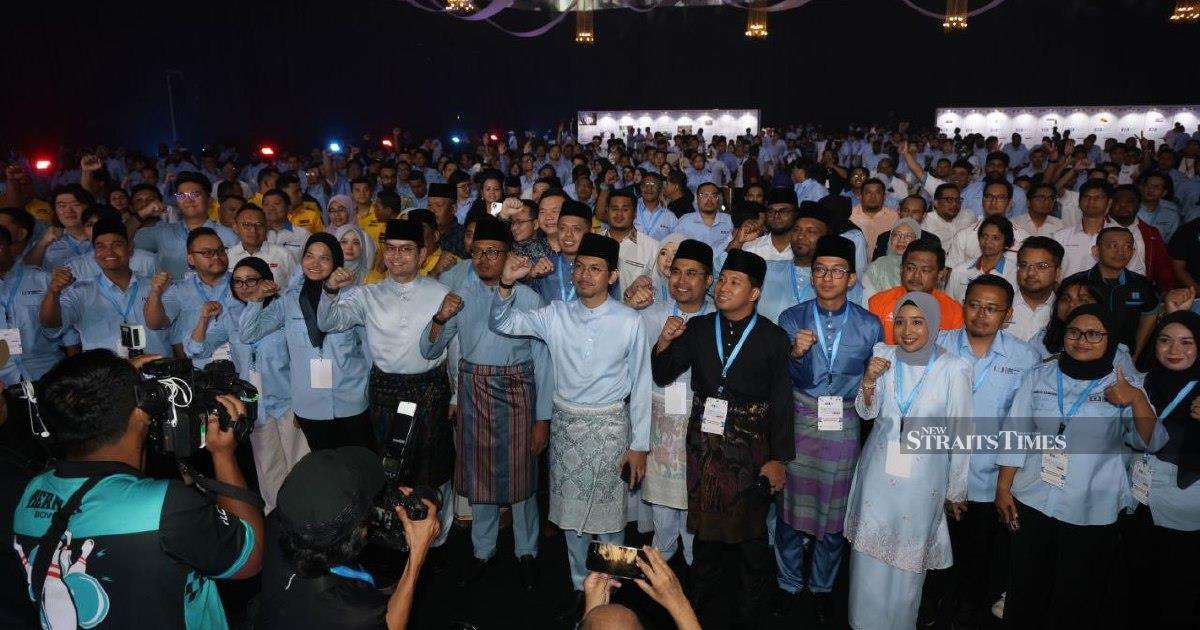
The gap between Pakatan Harapan and Malaysian voters remains a critical challenge the opposition coalition cannot afford to ignore, according to Muhammad Kamil Abdul Munim, head of PKR's youth wing. Speaking at Ayer Keroh, he underlined that the coalition's poor performance in the Johor and Negri Sembilan state elections should prompt serious self-examination rather than defensive finger-pointing at the electorate.
This candid admission from a senior PKR youth leader marks a significant acknowledgment of the coalition's difficulties in reconnecting with voters who once delivered overwhelming support during the 2018 federal election. The message carries weight precisely because it comes from within the party apparatus, signalling that at least some sections of PH leadership recognise the fundamental nature of the trust deficit rather than attributing losses to external factors or electoral mechanics alone.
The 2023 elections in Johor and Negri Sembilan exposed fissures in PH's electoral coalition that have widened since the 2020 general election. In Johor especially, the Barisan Nasional-led administration secured a commanding mandate, while PH's performance fell significantly short of expectations. This pattern reflects broader voter sentiment across multiple demographic groups and regions, suggesting the problem lies not with isolated constituencies but with systemic issues affecting the coalition's appeal.
Muhammad Kamil's position implicitly critiques the narrative that voters are somehow irrational or uninformed in their choices. Instead, he frames the challenge in terms the coalition can actually influence: the need to earn back confidence through concrete action. This framing is crucial because it shifts responsibility from the electorate to the coalition itself, acknowledging that voter decisions rest on observable performance and perceived competence rather than abstract party loyalty.
For Malaysia's political landscape, this moment carries implications beyond PH's internal dynamics. The coalition commands significant parliamentary representation at the federal level through the Madani government, yet cannot seem to translate that into compelling state-level narratives. This disconnect suggests voters may be making nuanced judgements about governance capacity, distinguishing between federal and state-level performance or harbouring concerns about internal coalition cohesion that affect their voting preferences.
The trust deficit has multiple dimensions. Some voters shifted toward Barisan Nasional for perceived stability and established administrative experience. Others gravitated toward PAS-led coalitions, particularly in states where Islamist messaging resonates. Still others simply refused to participate, with turnout figures reflecting voter apathy. Understanding which factors dominated in each election result becomes essential for PH's recovery strategy.
Muhammad Kamil's statement also reflects broader generational dynamics within PKR and PH. The youth wing's acknowledgment that the coalition must earn voter trust rather than demand it suggests a pragmatic approach increasingly prevalent among younger party members. This contrasts with some older narratives within the coalition that occasionally minimise voter concerns or suggest external interference explains poor performances.
Rebuildling trust requires more than rhetorical commitment. It demands visible policy delivery on pledges made to voters, transparent governance that addresses corruption concerns, and internal coalition management that prevents damaging public feuds. In recent years, PH has struggled on all three fronts, with infrastructure projects stalling in some areas, internal disputes becoming spectacularly public, and governance issues continuing to frustrate constituents.
The regional context also matters. Southeast Asia's broader political trajectory shows voters increasingly demanding competence and tangible improvements in living standards over ideological positions alone. PH's initial appeal rested partly on reformist messaging and anti-corruption positioning, but maintaining that advantage requires consistent delivery. When voters see promises unfulfilled, they revert to alternatives offering at least the prospect of stability.
For the Madani government at federal level, these local electoral setbacks carry strategic weight. The coalition needs state governments to demonstrate its capacity for effective governance and to generate positive narratives that reinforce federal performance. Without state-level wins, federal governance achievements feel incomplete to voters making electoral calculations.
Muhammad Kamil's candid remarks suggest PKR's youth are pushing the coalition toward necessary reflection and reform. Whether this translates into systematic changes remains uncertain. The coalition must move beyond acknowledging the trust problem to implementing comprehensive responses: transparent governance, faster service delivery, stronger internal discipline, and genuine engagement with voter concerns beyond election cycles.
The broader challenge for Pakatan Harapan is whether the coalition can maintain cohesion while undertaking such reforms. Internal tensions between partner parties, particularly regarding resource allocation and ministerial positions, have previously derailed reform agendas. Whether the coalition can prioritise long-term trust-building over short-term internal management will significantly determine its electoral trajectory in coming years.

