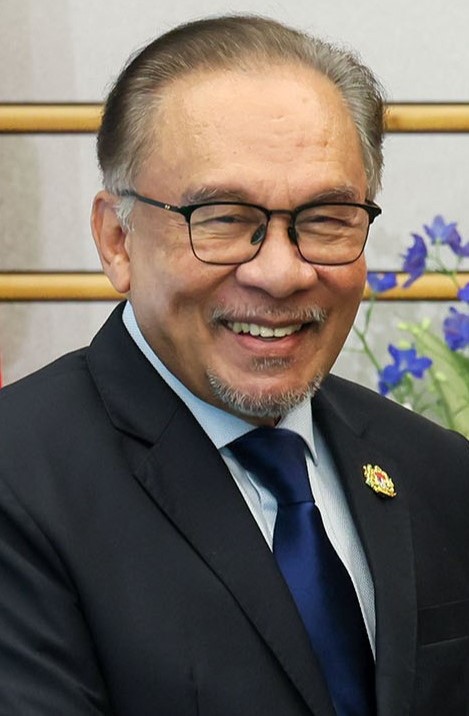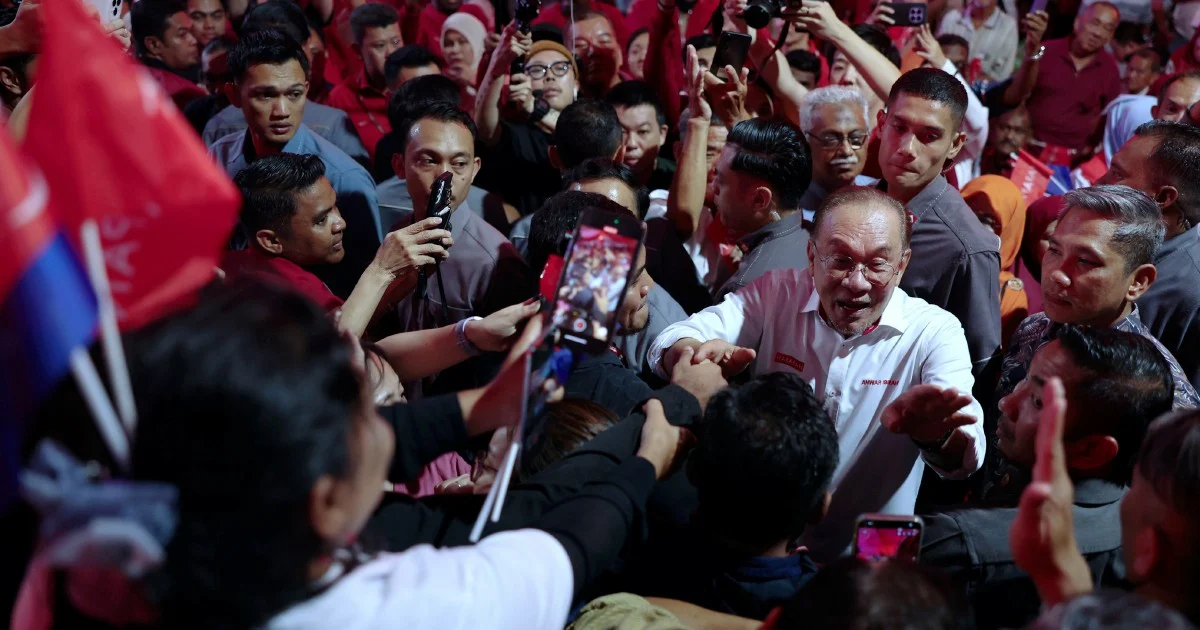
Pakatan Harapan has officially announced its full slate of 56 candidates for the Johor state election scheduled for July 11, with coalition chairman Datuk Seri Anwar Ibrahim personally unveiling the lineup at an event in Tangkak. The move represents a significant strategic escalation in the opposition's efforts to capture what remains one of Malaysia's most politically significant states, a stronghold that has traditionally favoured the ruling establishment.
The timing of the candidate announcement carries particular weight given Johor's historical importance in Malaysian politics. As the home state of the royal family and a symbol of political stability in the eyes of many voters, control of the state legislature holds implications far beyond its 56 seats. For nearly seven decades, Johor has remained firmly under Barisan Nasional's grip, making any serious challenge from the opposition a watershed moment for Malaysian politics. The willingness of Pakatan Harapan to field a complete slate across all constituencies suggests the coalition is not treating this as a symbolic exercise but as a genuine attempt to form government.
Anwar Ibrahim's personal involvement in the announcement underscores the coalition's commitment to the Johor campaign. As Prime Minister and PH chairman simultaneously, his participation signals that the coalition regards this election as central to its political fortunes. The symbolism is deliberate—the opposition is not leaving the Johor challenge to regional figures but placing it firmly within national party leadership's purview, a move calculated to energise grassroots supporters and demonstrate united commitment across different party components within the coalition.
The composition of the candidate slate will likely reveal important details about Pakatan Harapan's internal balance of power and strategic calculations. Malaysian political observers typically scrutinise candidate selections for indicators of party representation, regional influence, and whether the coalition has successfully balanced demands from its various component parties—currently PKR, DAP, and Amanah. The distribution of winnable seats among these parties reflects ongoing negotiations about power-sharing should the coalition achieve victory.
For Malaysian voters in Johor, particularly those in urban constituencies, the announcement presents a clear electoral choice in a state election campaign that has already generated considerable national attention. The July 11 date places the Johor contest in a concentrated election season that has tested the nation's political system and voter attention span. Unlike parliamentary elections that typically dominate headlines, state polls can sometimes struggle for visibility, but Johor's significance and BN's vulnerability have ensured sustained media coverage.
The opposition's confidence in fielding a complete slate reflects shifting political dynamics across Malaysia since the 2022 general election. Pakatan Harapan's strengthened position at the federal level has provided resources, visibility, and momentum that previous opposition campaigns lacked. The coalition can now deploy federal government machinery to support state-level campaigns—an advantage historically monopolised by the ruling coalition. This structural shift in Malaysian politics should not be underestimated as a factor in opposition competitiveness.
From a regional Southeast Asian perspective, the Johor election carries significance beyond Malaysia's borders. As the southernmost state and gateway to Singapore, Johor's political direction influences broader regional stability and cross-border economic relations. Any change in the state's ruling coalition would necessarily reshape business dynamics and political relationships that extend into Thailand and Singapore, making the election noteworthy for observers tracking political evolution across the region.
The opposition's push in Johor also reflects broader calculations about Malaysian political realignment. The coalition appears to be banking on voter appetite for change, particularly among younger and urban voters who may be less tied to traditional Barisan narratives. The candidate selection process itself becomes a test of whether Pakatan Harapan can identify and nominate figures capable of resonating with Johor's diverse constituencies, from the industrialised Klang Valley-adjacent areas to more rural and traditional heartlands.
For Barisan Nasional, the challenge of defending Johor represents a critical moment in its broader political recovery. While the coalition retains overall federal majority, state-level losses would further erode its institutional foundations and signal accelerating decline to both supporters and potential coalition partners. The government's performance record, both federally and at the state level, will become central to campaign narratives from both sides, with development records and delivery on promises scrutinised by voters.
The announcement also marks the beginning of what will likely be an intense campaign season in Johor. With candidates now formally revealed, the focus shifts to campaign activities, public debates, and ground-level mobilisation efforts. Both Pakatan Harapan and Barisan Nasional will deploy significant resources to persuade Johor voters, making the state a bellwether of Malaysian political sentiment as the nation continues its post-2022 electoral realignment.
Anwar Ibrahim's visibility in the announcement reinforces that Pakatan Harapan views Johor not as a secondary battleground but as essential to the coalition's political legitimacy and long-term sustainability. Whether the coalition's optimism translates into electoral gains will depend on campaign execution, voter mobilisation, and ultimately whether Johor voters are prepared to fundamentally alter their state's political trajectory after generations of single-party rule.