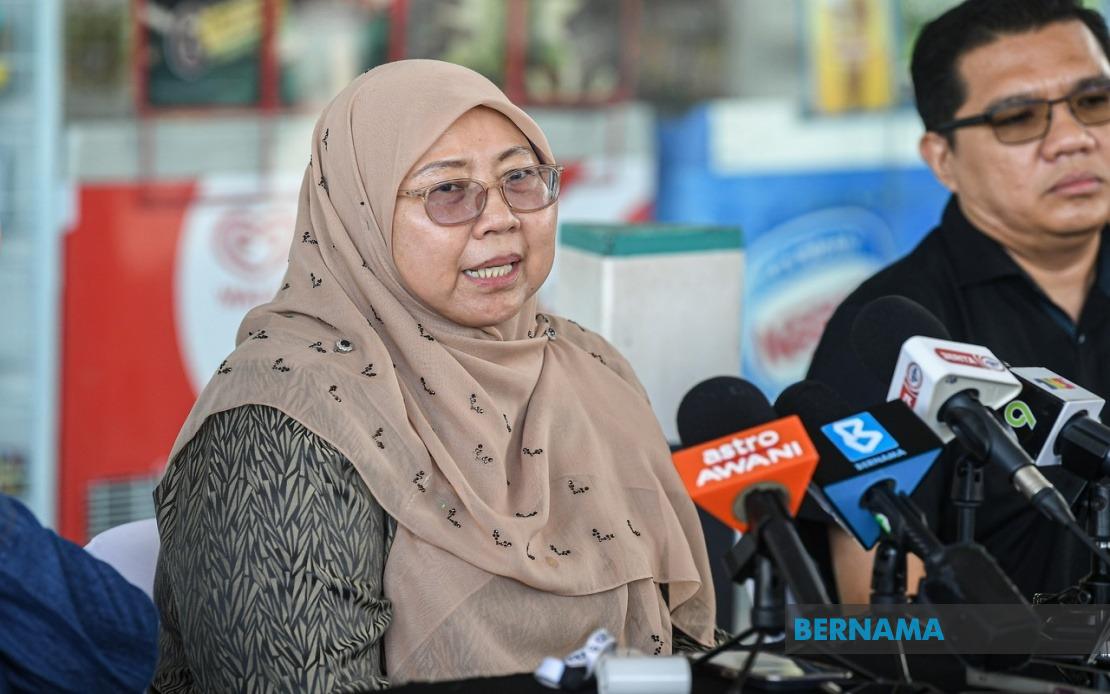
The Pakatan Harapan coalition has shrugged off a series of minor incidents it characterises as sabotage attempts during its campaign for the Johor state election, insisting that its electoral momentum continues unabated. Speaking at a press conference in Johor Bahru on July 2, PKR secretary-general Datuk Fuziah Salleh acknowledged that campaign materials have been targeted, yet dismissed suggestions that such disruptions pose any serious challenge to the ruling federal coalition's prospects in the state poll scheduled for July 11.
Among the incidents reported were the unauthorised removal and defacement of campaign posters, damage to billboards displaying party messaging, and the burning of party flags. Despite acknowledging these acts, Fuziah characterised the overall campaign environment as calm and indicated that voter sentiment continues to favour Pakatan Harapan candidates across contested constituencies. The incidents, while regrettable, have not derailed the coalition's carefully orchestrated electoral strategy in one of Malaysia's most politically significant states.
Fuziah, who doubles as Deputy Minister of Domestic Trade and Cost of Living, painted a picture of an energised campaign operation with candidates maintaining gruelling schedules that stretch from early morning until late evening. According to her account, each candidate participates in up to ten separate campaign engagements daily, suggesting a resource-intensive ground operation designed to maximise voter contact across diverse demographics and geographic areas. This intensive approach reflects the high stakes attached to the Johor contest, where control of the state government carries implications for broader federal political dynamics.
Particularly encouraging for Pakatan Harapan, Fuziah noted, has been the receptiveness demonstrated by younger voters and those casting ballots for the first time. The coalition's messaging appears to resonate with these demographics, who have been identified as a crucial constituency in Malaysian electoral politics. Positive feedback from first-time voters suggests the coalition may be successfully translating its federal governing platform into compelling state-level campaign narratives that appeal to voters seeking change or continuity, depending on their political preferences.
A significant portion of Fuziah's remarks addressed confusion surrounding candidate-level announcements that some had characterised as a Pakatan Harapan manifesto. She clarified that statements issued by individual candidates for the Skudai and Perlis state seats represented personal pledges to address local concerns rather than comprehensive party policy positions. Issues such as municipal waste collection, while important to constituents, do not constitute manifesto commitments in the traditional sense, she argued.
The distinction Fuziah drew between candidate pledges and official party manifestos carries practical implications for how voters interpret campaign promises. She emphasised that a true manifesto articulates broad-based policies capable of implementation when a party forms government, addressing state-wide challenges and establishing governance frameworks. By contrast, individual candidate commitments focus narrowly on constituency-specific improvements and represent personal undertakings to serve local populations rather than binding coalition-wide policy positions.
This clarification became necessary because the premature or informal announcement of candidate positions risked creating misunderstandings about the scope and nature of Pakatan Harapan's electoral platform heading into the final campaign phase. By drawing clear boundaries between grassroots advocacy and formal policy pronouncements, party leadership sought to manage expectations and ensure that when the official manifesto is unveiled, it represents carefully considered positions reflecting coalition-wide consensus rather than ad hoc commitments made during campaign intensity.
The Johor state election represents a significant test for Pakatan Harapan's continued electoral viability in a state that has historically been a political battleground in Malaysia. With 172 candidates competing across various state seats, the election encompasses a broad spectrum of constituencies ranging from urban centres to rural areas, each presenting distinct voter concerns and political dynamics. The July 11 polling date represents the culmination of months of political positioning and campaign preparation by all participating coalitions and parties.
Early voting arrangements set for July 7 provide an additional opportunity for specified voters—including security personnel and those unable to vote on polling day—to cast ballots ahead of the main election. These provisions, standard in Malaysian electoral administration, help ensure comprehensive voter participation across different segments of the electorate. The logistics of managing such elections across a large state like Johor involve substantial coordination and resource deployment by electoral authorities.
Packatan Harapan's official manifesto, expected to be announced the day after Fuziah's press conference, would presumably address the coalition's vision for Johor's development, governance priorities, and policy frameworks across critical areas including economic development, public services, and infrastructure. Such manifestos typically guide voter decision-making and establish benchmarks against which governing performance can later be measured. The timing of manifesto releases in Malaysian electoral campaigns reflects strategic calculations about when to crystallise messaging to maximum electoral advantage.
The apparent unease surrounding candidate-level announcements suggests that coordination between national party leadership and state-level campaigners required clarification and tightening. Party machinery in electoral campaigns must balance the autonomy and local relevance of individual candidates with the coherence and consistency necessary for effective coalition-wide messaging. Fuziah's intervention represented an effort to restore clarity and prevent miscommunication from undermining the coalition's overall campaign effectiveness.
Looking ahead, Pakatan Harapan faces the challenge of translating reported positive voter sentiment, particularly among younger demographics, into actual electoral victories across sufficient constituencies to determine the state government's composition. Historical patterns in Malaysian elections demonstrate that campaign momentum can prove volatile, with late shifts in voter preferences occasionally producing surprising outcomes. The coalition's confidence in its trajectory, while publicly proclaimed, ultimately depends on translation into ballot-box results.

