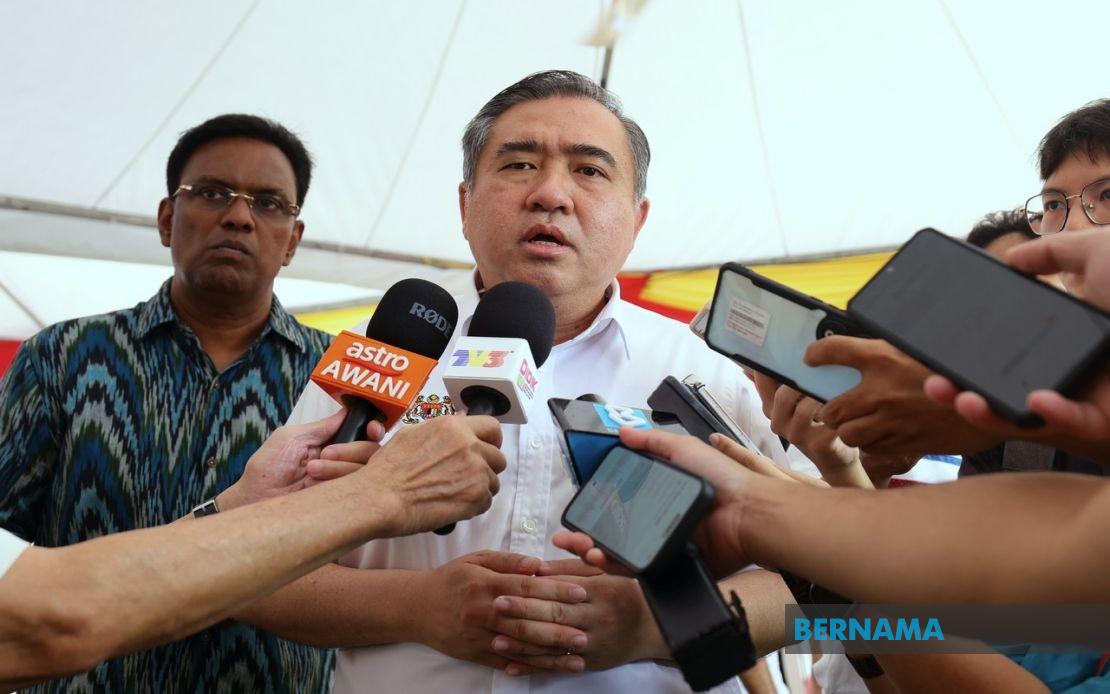
Pakatan Harapan has declared itself prepared to navigate any political strategy its opponents may deploy in the run-up to the Negeri Sembilan state election, including the possibility of closer coordination between Barisan Nasional and Perikatan Nasional. Speaking in Seremban on July 16, DAP secretary-general Anthony Loke conveyed the coalition's confidence that it could weather shifting political dynamics without losing focus on its core campaign objectives.
Loke's remarks addressed mounting speculation about seat-sharing negotiations between BN and PAS, signalling a potential consolidation of the anti-PH vote in a state where Pakatan Harapan has held sway since 2018. Drawing parallels with recent electoral contests elsewhere in the country, notably the Johor state election, Loke suggested that PH had absorbed lessons from previous campaigns and would not be caught off guard by conventional opposition tactics. The DAP leader's confidence reflects the coalition's assessment that its rivals' cooperation, while tactically significant, does not fundamentally alter the electoral equation in Negeri Sembilan.
The PH coalition's current priority centres on reinforcing unity among its constituent parties rather than devoting energy to pre-empting opposition moves. Loke emphasised that electoral success ultimately depends on the strength of coordination between DAP, Amanah, PKR, and other coalition members operating in the state. This inward focus represents a deliberate strategic choice—the coalition believes that public confidence in its governing record and internal solidarity matter more than any tactical response to opposition alliances. For Malaysian voters observing coalition politics, this approach signals a degree of maturity in PH's electoral strategy compared to earlier campaigns when the opposition appeared reactive rather than proactive.
The coalition is banking substantially on the six-year track record of the Negeri Sembilan state government under Menteri Besar Datuk Seri Aminuddin Harun since 2018. Loke framed this administration's performance as the primary asset upon which PH will build its case for renewed voter confidence. In a state where development outcomes remain visible and tangible—from infrastructure improvements to service delivery—the sitting government's achievements in these areas could prove decisive, particularly among rural and semi-urban constituencies where voters assess politicians primarily through the lens of concrete benefits delivered to their communities.
Concerns about Chinese voter sentiment represent a potential vulnerability for the coalition, with opposition parties, particularly MCA, positioning themselves as viable alternatives. Loke acknowledged this competition but resisted the temptation to dismiss such claims categorically, instead trusting that the electoral outcome would speak for itself. This measured response sidesteps the pitfall of appearing defensive, yet it also underscores genuine uncertainty within PH circles about demographic voting patterns in a state with significant Chinese populations in both urban and semi-urban centres. The broader question of whether Chinese voters who previously supported PH might drift towards alternatives reflects broader communal anxieties about political representation and patronage that transcend any single election cycle.
In neighbouring Melaka, PH is grappling with the fallout from DAP's unilateral withdrawal from the state administration over disagreements about nominated assembly members. Loke characterised this decision as final and irreversible, emphasising that the state government had subsequently reorganised its legislative assembly seating arrangements to accommodate the new political configuration. The Melaka situation illustrates underlying strains within coalition politics, particularly when component parties face pressure to compromise on principle regarding representation and institutional positions. That this rupture occurred in a state PH has governed raises questions about the durability of coalition arrangements when internal disagreements escalate, a cautionary note as the coalition prepares for multiple electoral contests across the region.
The Transport Minister also fielded criticism regarding the timing of various MADANI-branded development initiatives—the Adopted Village, Adopted School, and Santuni (welfare) programmes—with detractors suggesting these represented election-season theatrics designed to mobilise voter support. Loke countered by asserting that these initiatives had operated continuously since 2025 across all participating ministries, transcending any single electoral cycle. The MADANI framework itself, presented as a systematic approach to rural development and infrastructure upgrading, reflects the government's broader narrative about inclusive development reaching beyond urban centres. For Southeast Asian development observers, such programming matters because it signals whether governments in the region view infrastructure and welfare commitments as permanent features of governance or temporary expedients timed to electoral calendars.
The selection of three specific initiatives in the Mantin area—Kampung Baru Mantin under the Adopted Village scheme, Kampung Mantin Dalam receiving welfare support, and Sekolah Jenis Kebangsaan Cina Chung Hua Mantin designated as an Adopted School—illustrates the granular approach to community engagement. These selections encompass rural villages, vulnerable populations, and educational institutions serving specific demographic communities, suggesting a coordinated effort to address multiple constituencies simultaneously. Within Malaysian electoral politics, such targeted development benefits constituencies that might otherwise feel overlooked by state capitals and federal governments alike.
Looking beyond Negeri Sembilan specifically, the coalition's preparedness narrative carries significance for the broader regional political landscape. Southeast Asia's opposition coalitions increasingly confront the challenge of maintaining internal coherence while simultaneously competing against potential opposition supercombinations. PH's confidence that internal unity matters more than reactive opposition tactics represents an evolutionary moment in Malaysian coalition politics, suggesting that Pakatan Harapan believes it has matured beyond the earlier insurgent phase where opposition parties primarily defined themselves against the ruling coalition. Whether this assessment withstands the pressures of an actual campaign remains to be determined when nominations close and constituencies officially contest.
The Negeri Sembilan election thus functions as a microcosm of larger questions animating Malaysian politics: Can PH consolidate its 2018 breakthrough into durable governance, or will voters punish it for perceived failures? Will opposition unity prove more formidable than coalition cohesion? And can development benefits and infrastructure improvements overcome shifting communal political allegiances? Loke's confidence obscures genuine uncertainty, yet it also reflects a coalition that has learned to communicate assurance even amid competitive electoral conditions. The outcome in Negeri Sembilan will reverberate across Malaysian politics, potentially reshaping calculations about coalition viability in contests scheduled for subsequent years.

