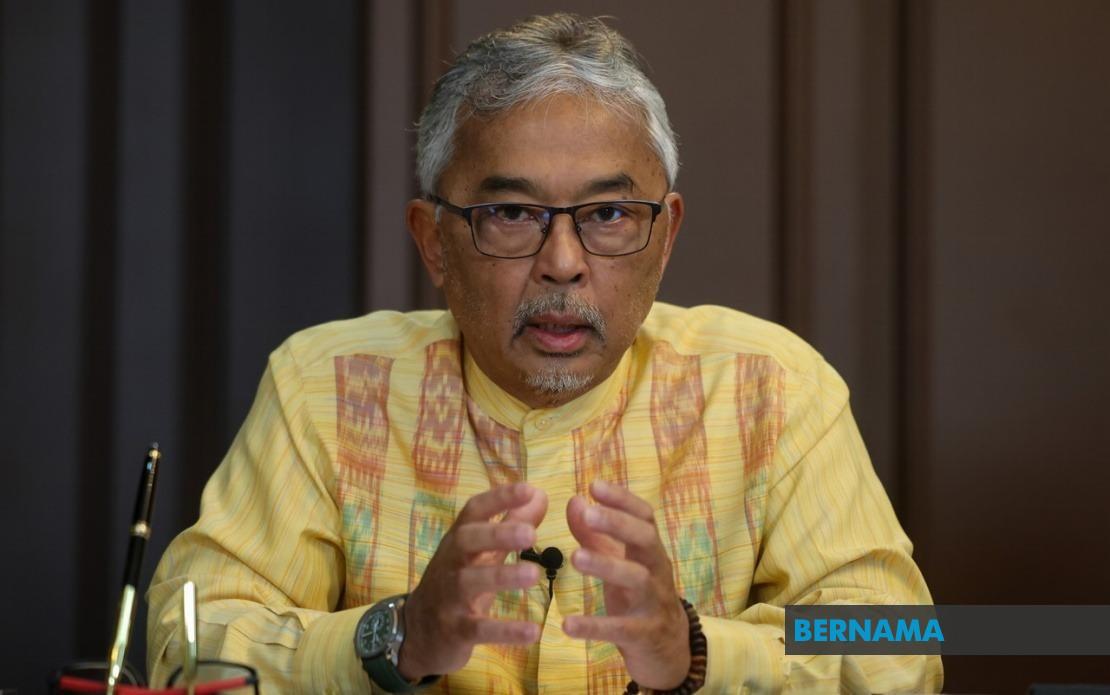
The Sultan of Pahang, Al-Sultan Abdullah Ri'ayatuddin Al-Mustafa Billah Shah, has issued a directive requiring every local authority across the state to execute detailed inspections and evaluations of mature and large trees that could endanger the public. The instruction was announced in Kuantan and represents a proactive measure to address a growing hazard in urban and rural communities throughout the state.
According to His Royal Highness, these assessments must be undertaken with thoroughness and frequency to systematically identify trees displaying signs of structural weakness or disease. Priority areas for inspection include public recreational spaces, highway corridors, housing developments, and other high-footfall zones where encounters with falling branches or entire trees pose genuine risks to residents and workers. The Sultan's emphasis on comprehensive coverage reflects the scale of the problem, which extends beyond a single municipality or district.
The royal directive carries an explicit expectation that once local authorities identify trees constituting a hazard, they must act swiftly to remedy the situation. Delaying action until an accident occurs represents an unacceptable approach. In his statement, released through the Pahang Sultanate's official social media channels, the Sultan articulated this principle clearly: local governments must not permit circumstances to deteriorate to the point of tragedy before responding.
This intervention emerged following a series of incidents in which falling trees resulted in loss of life and serious injury to members of the public. Such incidents have elevated public concern about municipal maintenance standards and the effectiveness of existing oversight mechanisms. The Sultan's action signals that the state's leadership regards tree-related hazards as a matter warranting immediate and sustained attention, rather than an isolated problem.
The broader context for this directive involves Malaysia's urban and suburban development patterns, where large mature trees—often retained from pre-development landscapes—coexist with densely populated areas. As these trees age, structural integrity often declines, particularly in tropical climates where monsoon storms and heavy rainfall accelerate deterioration. The root systems of aging trees can also be compromised by underground utilities, compacted soil, or nearby construction, creating unpredictable failure risks.
From a governance perspective, the Sultan's directive places formal accountability on local authorities to establish systematic inspection protocols and maintenance schedules. This represents a shift from reactive responses to proactive risk management. Local authorities will need to allocate budgets for trained arborists, equipment for tree assessment, and maintenance or removal operations, placing financial strain on municipalities already managing competing priorities.
The instruction also carries implications for property owners and residents in Pahang. Homeowners with mature trees on their land may face increased pressure to conduct their own assessments, particularly if those trees overhang public spaces or neighboring properties. Additionally, the directive reinforces the principle that public safety must supersede aesthetic or environmental preservation concerns when trees pose demonstrable hazards.
Regional observers note that similar challenges exist across Southeast Asia, where rapid urbanization has created comparable situations in Thailand, Indonesia, and Singapore. Pahang's formal response may set a precedent for other Malaysian states to adopt similar systematic approaches. The directive also reflects how royal institutions in Malaysia can mobilize government action on practical matters affecting citizen welfare, particularly when standard bureaucratic channels appear insufficient.
Implementation of this directive will require local authorities to develop standardized assessment criteria for determining when trees present unacceptable risks. Different tree species deteriorate at different rates, and environmental factors vary significantly across Pahang's diverse geography. Authorities must balance legitimate concerns about fallen trees against preservation of the urban canopy, which provides environmental and social benefits including cooling, air quality improvement, and aesthetic value.
The Sultan's statement also implicitly critiques current maintenance standards, suggesting that existing oversight has been inadequate. This places pressure on local authority leaders to demonstrate tangible improvements in tree management within defined timeframes. Those failing to respond may face reputational damage or formal censure from state leadership.
Looking forward, the directive will likely catalyze discussion about tree liability laws, insurance requirements for property owners, and whether Pahang should develop a centralized database tracking tree assessments across municipalities. Such administrative infrastructure, while beneficial for public safety, requires technological investment and coordinated planning among multiple agencies.
The Sultan's intervention ultimately reflects a fundamental principle of governance: protecting citizens from preventable harm requires systematic, forward-looking management rather than crisis response. For Malaysian residents in Pahang and beyond, the directive serves as a reminder that urban safety depends on consistent attention to infrastructure often taken for granted until failure occurs.

