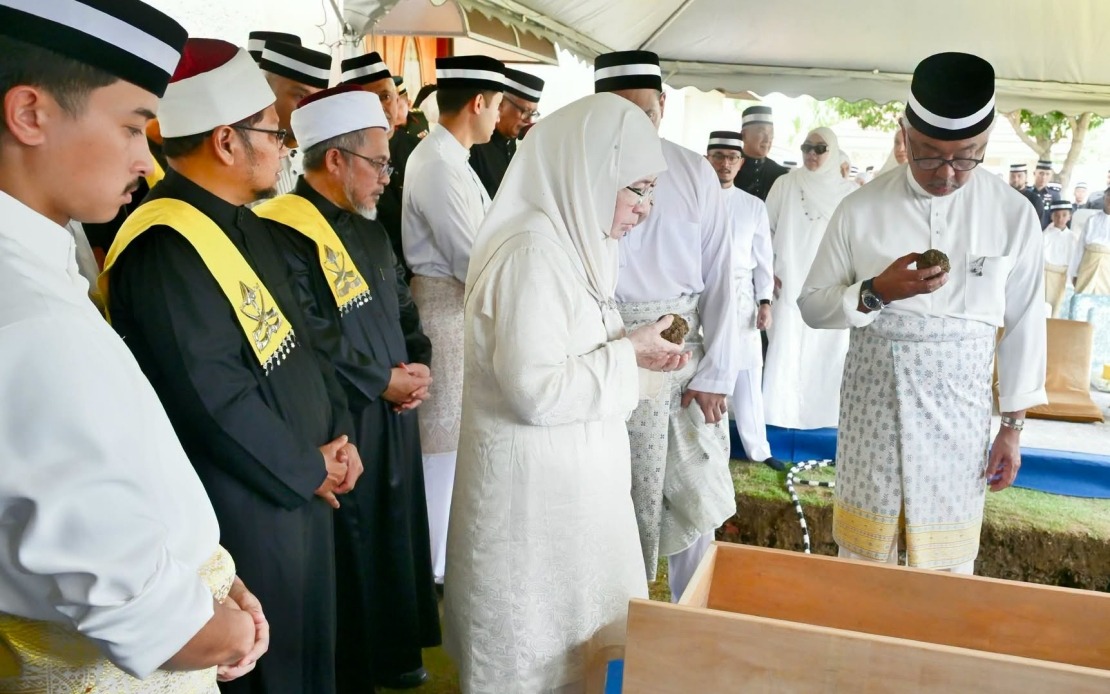
The Sultan of Pahang, Al-Sultan Abdullah Ri'ayatuddin Al-Mustafa Billah Shah, has declared a formal three-day mourning observance for the Pahang royal family following the death of his elder sister, Tengku Puteri Seri Kemala Tengku Datuk Seri Aishah. The directive, issued through the royal household, underscores the significance of this loss within one of Malaysia's most prominent royal establishments and reflects the traditional protocols governing royal mourning in the country's sultanates.
Major General Datuk Mohamed Zahari Yahya, serving as Comptroller of the Royal Household of the Sultan of Pahang, confirmed the mourning arrangements through an official statement released from Kuantan. The prescribed period commenced on the date of announcement and extends through Saturday, establishing a clear temporal framework for the palace's formal observance. This structured approach to royal mourning demonstrates the organised nature of protocols within Malaysia's constitutional monarchy system.
Specific dress codes have been mandated for members of the extended royal family during this period. All family members are required to dress in white, a colour traditionally associated with mourning in Islamic and Malay custom. Additionally, male members of the royal household are instructed to observe particular dress requirements consistent with Islamic practice and royal tradition. Such details illustrate how Malaysian royal ceremonies blend Islamic principles with established court customs that have evolved over generations.
Tengku Puteri Seri Kemala Tengku Datuk Seri Aishah passed away at a Kuala Lumpur hospital at 9.15 pm on Wednesday evening. The funeral proceedings moved swiftly, with interment taking place the following afternoon at the Royal Mausoleum located in Pekan, the traditional burial ground for members of Pahang's royal line. This rapid transition from death to burial aligns with Islamic funeral practices, which generally mandate swift burial following appropriate preparations.
The Comptroller's statement emphasised the profound impact of this loss on the immediate royal family, particularly highlighting the grief experienced by Sultan Al-Sultan Abdullah Ri'ayatuddin Al-Mustafa Billah Shah and Tengku Ampuan of Pahang Tunku Azizah Aminah Maimunah Iskandariah. By publicly acknowledging the personal dimensions of this bereavement, the royal household invited broader sympathetic recognition from Pahang's population and the Malaysian public.
Beyond the royal family's immediate observance, the statement extended an invitation to Pahang's residents to participate in spiritual remembrance. Citizens have been encouraged to recite Al-Fatihah, the opening chapter of the Qur'an traditionally recited for the deceased, and to offer prayers seeking divine forgiveness and mercy for Tengku Puteri's soul. This integration of public participation reflects how royal losses in Malaysia transcend palace walls to become communal spiritual moments, strengthening bonds between the monarchy and the populace.
The death of a senior royal figure carries implications extending beyond ceremonial protocol. Within Malaysia's constitutional framework, sultans hold not merely ceremonial positions but serve as custodians of Islamic affairs within their respective states. The passing of Al-Sultan Abdullah Ri'ayatuddin Al-Mustafa Billah Shah's sister therefore represents a significant moment within Pahang's institutional and spiritual leadership structures, potentially prompting broader reflection on succession and dynastic continuity.
Pahang's royal family occupies a distinguished position within Malaysia's peninsular sultanate hierarchy. The state has produced sultans whose influence extended across regional politics, and contemporary developments within the family receive attention beyond immediate state boundaries. The formal mourning announcement thus carries symbolic weight for observers tracking the health, composition, and activities of Malaysia's royal establishments.
The three-day mourning structure represents a measured approach balancing deep respect for the deceased with the practical continuity required of governance. Royal families worldwide navigate similar tensions between private grief and public function, and Malaysia's sultanates have developed protocols accommodating both dimensions. This particular observance exemplifies how traditional Islamic practices, royal custom, and modern constitutional monarchy merge within Malaysian institutions.
For Malaysian citizens, especially those in Pahang, such moments provide reminders of the monarchy's integral role within the national and state fabric. While the death of any family member brings personal sorrow, the public acknowledgment and shared spiritual participation extend this grief across broader communities. The period through Saturday will witness various expressions of respect and remembrance from state institutions, Islamic organisations, and civil society reflecting Pahang's multifaceted response to losing a member of its royal lineage.

