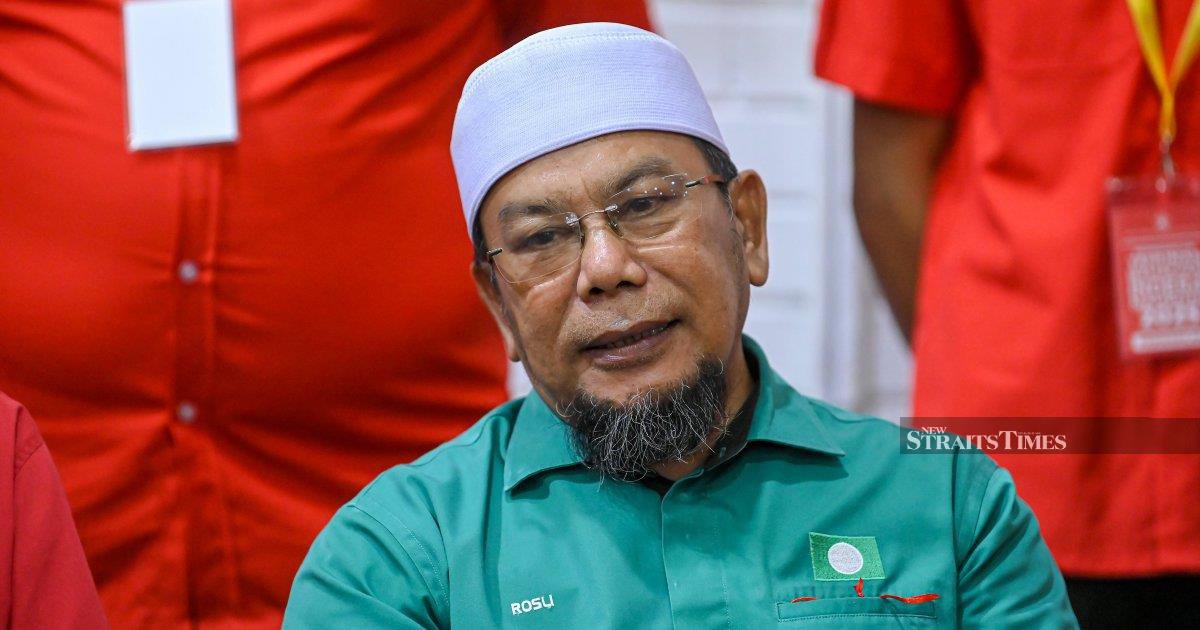
Political uncertainty continues to grip Pahang as the Islamic party weighs its strategic options with Umno, the state's longtime dominant force. While PAS officials have indicated receptiveness to dialogue and potential collaboration with the Malay-Muslim establishment party, behind-the-scenes jockeying suggests neither organization is fully committed to a unified electoral approach in the state.
The positioning reflects a broader pattern across Malaysia's political landscape, where state-level calculations often diverge sharply from national coalition arrangements. Pahang, traditionally an Umno stronghold, has emerged as a testing ground for how these two Barisan-aligned parties might manage their relationship in different geographical contexts. The state's 14 parliamentary seats and 42 state assembly constituencies represent significant stakes for both organizations as they contemplate their next moves.
PAS leadership's recent statements emphasize a pragmatic willingness to engage with Umno on matters of mutual interest and shared Islamic governance principles. This rhetorical openness serves multiple purposes: it maintains space for negotiation, prevents unnecessary antagonism, and allows the party to present itself as the reasonable actor in any potential standoff. However, such diplomatic language has become the standard posture for Malaysian political parties navigating coalition complexity, and rarely translates into meaningful cooperation without concrete agreements on seat distribution and electoral strategy.
Umno's position in Pahang remains formidable despite the party's national difficulties and internal power struggles. The party machine retains deep organizational roots, administrative machinery, and traditional electoral support networks throughout the state, particularly in rural constituencies where voters have long aligned with the party. Any arrangement with PAS would require substantial accommodation of these existing interests, a challenge given PAS's own ambitions for electoral growth and political influence in the state.
The practical complications of cooperation extend beyond rhetorical willingness. Historical tensions between the two parties, competing claims to represent Malay and Islamic interests, and differences in organizational culture have created friction at the grassroots level in Pahang. Local party activists on both sides have developed entrenched positions regarding seat allocations and campaign strategies, making top-down directives from national leadership difficult to implement without triggering internal discontent.
Electoral arithmetic presents another layer of complexity. If both parties contest separately, they risk splitting the vote in constituencies where opposition parties might capitalize on divided competition. Conversely, any formal alliance requires compromises on candidate selection that neither party leadership finds entirely comfortable, particularly if such arrangements disadvantage long-serving activists or preferred candidates. The absence of a clear statewide election date has allowed both parties to postpone difficult internal negotiations.
Regional observers note that Pahang's political trajectory has significant implications for Malaysian federalism and intra-coalition dynamics. How the two largest Malay-Muslim political organizations manage their relationship in the state will influence their calculations elsewhere, potentially affecting the cohesion of the broader Barisan coalition. Other state-level challenges within the coalition structure mean that observers are watching Pahang closely for signals about the sustainability of Malaysia's ruling political arrangements.
PAS has positioned itself as increasingly important to Barisan's electoral viability following its strong performance in recent national elections. This newfound leverage creates incentives for the party to demand substantive concessions rather than accepting subordinate positioning. Umno, meanwhile, faces pressure to retain strongholds and demonstrate continuing relevance to its traditional supporters, creating a potential impasse where neither party can afford to appear weak in negotiations.
The party's voter bases in Pahang also merit consideration. Umno continues to command substantial support among older rural voters and government-linked communities, while PAS has made inroads among younger urban Malays and suburban constituencies with growing Islamic awareness. These different demographic bases mean that candidates chosen by each party often reflect their respective support networks, making generic seat-sharing formulas problematic in practice.
Financial and organizational capacity also differs markedly between the two parties at the state level. Umno controls state government resources and administrative networks that PAS cannot easily replicate, yet PAS brings organizational discipline and volunteer mobilization capabilities that represent genuine assets. Neither party can unilaterally dominate a campaign without material disadvantage.
The coming months will prove critical in determining whether rhetorical openness translates into substantive partnership or merely provides political cover for eventual electoral competition. Pahang's business community, civil service, and general population await clarity on the political direction, as sustained uncertainty can impede economic decision-making and investor confidence. State-level business leaders have typically favored political stability and clear governance frameworks over prolonged jockeying between competing parties.
Ultimately, Pahang's political trajectory reflects a broader Malaysian reality where coalition arrangements remain fluid and context-dependent. The apparent openness to cooperation masks genuine tensions and competing interests that may prove too substantial to overcome through dialogue alone. Both PAS and Umno must balance national coalition obligations with state-level political realities, a calculation that may ultimately favour electoral competition over cooperation.

