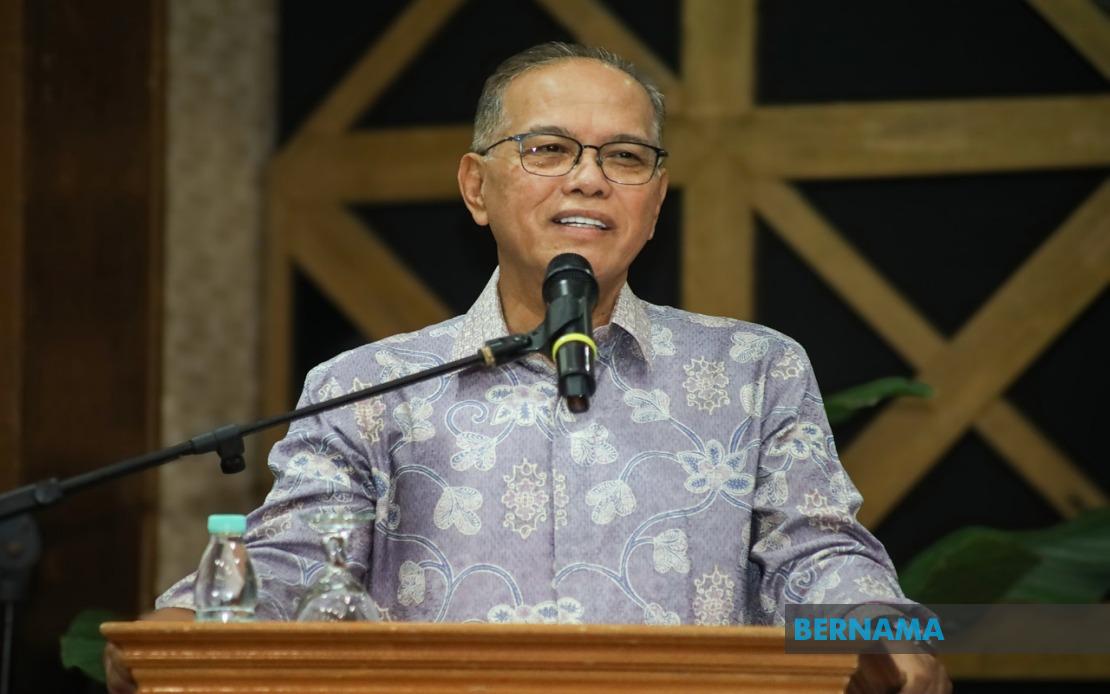
Pahang's state government is channelling over RM5 million into technical and vocational education this year, signalling a strategic pivot towards building human capital before major industrial investments materialise. Speaking at the 50th anniversary celebration of Politeknik Sultan Haji Ahmad Shah (POLISAS) in Kuantan on August 13, Menteri Besar Datuk Seri Wan Rosdy Wan Ismail outlined how the funding will strengthen the state's TVET ecosystem through targeted infrastructure upgrades and the expansion of specialized training programmes.
The allocation represents a deliberate departure from reactive workforce planning. Rather than waiting for factories and enterprises to announce investments before training workers, Pahang's leadership intends to have qualified personnel ready when opportunities emerge. This approach reflects growing recognition across Southeast Asia that states lagging in human capital development risk losing competitive advantage as multinational corporations increasingly locate operations in talent-rich regions. The timing is particularly significant for Pahang, which aspires to attract higher-value manufacturing and technology sectors beyond its traditional palm oil and mining industries.
Three main initiatives are receiving funding support. Pahang Skills training programmes will expand, the dedicated TVET Pahang Talent Development scheme will accelerate the creation of industry-ready graduates, and the emerging Pahang Rail Academy signals investment in transport and logistics vocational training. The rail academy is particularly noteworthy given Malaysia's broader infrastructure push and the potential for rail-related employment across the East Coast.
Politeknik Sultan Haji Ahmad Shah, established in 1976, serves as a flagship institution in this strategy. The polytechnic has graduated 60,000 students across five decades, many of whom have entered manufacturing, construction, and service sectors throughout Pahang and neighbouring states. Wan Rosdy identified POLISAS as a key strategic partner, though he acknowledged that the institution's impact depends partly on how closely its curriculum aligns with industry needs. This reflects a persistent challenge in Malaysian vocational education: the gap between classroom instruction and workplace application.
Closing this gap requires deliberate industry engagement. Wan Rosdy emphasized that meaningful partnerships with employers must strengthen alongside infrastructure investments. Vocational graduates entering the workforce need skills that immediately add value, not qualifications requiring extensive on-the-job retraining. This requires regular dialogue between polytechnics, training centres, and industry bodies to ensure curricula remain current as sectors evolve. Without such coordination, even well-funded programmes risk producing graduates whose skills lag market demand.
Beyond immediate TVET investments, Pahang's leadership is signalling broader developmental ambitions to Kuala Lumpur. Wan Rosdy expressed hope that Budget 2027 would provide special consideration for Pahang, emphasizing the state's size and geographic spread create elevated infrastructure requirements. This request carries particular weight given Peninsular Malaysia's uneven development, with Pahang historically receiving proportionally less federal funding than smaller states with higher political leverage in Parliament.
The Menteri Besar identified multiple budget priorities extending beyond vocational training: general education, economic development, social welfare, infrastructure, and Islamic institutional support. This diversified portfolio reflects how state governance increasingly demands simultaneous attention across sectors, though capital constraints often force difficult prioritization choices. Pahang's positioning suggests its leaders believe education and economic preparation warrant elevated priority, positioning the state to capitalize on anticipated industrial relocations and investment flows.
The state's own budget, due for tabling at the State Legislative Assembly in November, will reveal whether such aspirations translate into concrete allocations. Wan Rosdy promised improvements over previous years, though the extent remains unclear. State budgets in Malaysia operate under significant constraints, with limited revenue-raising authority forcing reliance on federal transfers and internal resources. Pahang's fiscal position is neither particularly constrained nor exceptionally strong compared to Selangor or Johor, meaning large new initiatives require either federal support or reallocation from existing programmes.
The broader context matters for Malaysian readers. Southeast Asia faces intense competition for foreign investment as companies diversify supply chains away from China and explore alternatives to Vietnam and Thailand. TVET investment is essential: data consistently shows manufacturing-reliant economies need vocational workers outnumbering university graduates by three-to-one or more. Yet Malaysia's historical preference for academic education over technical training has created persistent skills shortages in vocational fields. Pahang's initiative, if successfully executed, could provide a replicable model for other states seeking to build competitive advantage in middle-skilled occupations.
The initiative also carries significance for youth in a state where economic opportunities have historically concentrated in specific sectors. A more robust TVET ecosystem potentially broadens pathways into middle-class employment beyond palm oil, mining, and agriculture. For young Pahangites competing against peers from more developed states, accessible and quality vocational training can level playing fields, enabling geographic mobility within Malaysia's labour market.
Successfully implementing this strategy requires sustained political commitment and adequate funding even as electoral cycles create pressures to pursue more visible infrastructure projects. TVET returns on investment typically materialize over five to ten years, after trained workers advance into supervisory and technical roles. This long time horizon can test political patience, particularly when voters demand immediate tangible benefits. Pahang's leadership will need to maintain focus despite such pressures.

