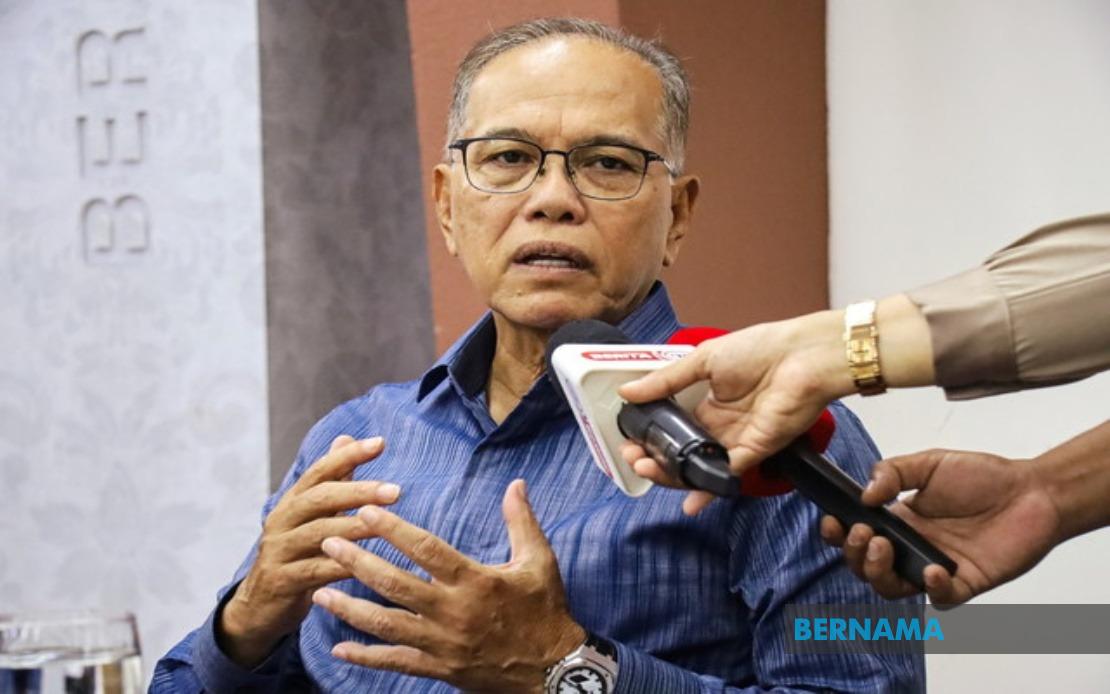
Pahang Barisan Nasional (BN) has signalled its intention to preserve the current Unity Government arrangement with Pakatan Harapan (PH) until Malaysia's 16th General Election, according to Menteri Besar Datuk Seri Wan Rosdy Wan Ismail. The declaration underscores the state administration's commitment to political continuity at a time when coalition dynamics remain fluid across the country. Speaking at an event in Kuantan, Wan Rosdy indicated that discussions regarding the coalition's longevity were ongoing, though he expressed confidence that the partnership would endure through the electoral cycle.
The political configuration in Pahang reflects a complex balancing act that has become characteristic of Malaysian politics since the 2022 general election. When voting took place in GE15, both BN and Perikatan Nasional emerged with identical strength, each securing 17 seats in the 42-member Pahang Legislative Assembly, while PH captured eight seats. This near-parity among the major coalitions created a situation where no single bloc possessed an outright majority, necessitating creative political solutions to form a functioning government.
The current unity arrangement traces its origins to November 2022, when Pahang Regent Tengku Hassanal Ibrahim Alam Shah consented to the formation of a state government built on BN and PH cooperation. This marriage of convenience elevated Wan Rosdy to the position of Menteri Besar, a choice that represented a pragmatic compromise between competing political interests. The stability achieved over the past two years suggests that despite ideological differences and previous electoral rivalries, the two coalitions have found sufficient common ground on matters affecting the state's development and governance.
Wan Rosdy's stated openness to expanding cooperation with other political parties ahead of GE16 reflects the fluid nature of Malaysian coalition politics. The Pahang BN leadership appears conscious that maintaining its current partnership while remaining receptive to broader alliances could enhance its electoral prospects. This calculated flexibility suggests that state-level politics may not automatically follow the template established at federal level, allowing room for regional strategies tailored to Pahang's specific circumstances and demographic composition.
Beyond the coalition mechanics, Wan Rosdy used the occasion to highlight the state government's investment in human capital development. The Makmur Pahang Initiative demonstrated tangible commitment to supporting students pursuing higher education abroad, with RM118,000 allocated to 118 tertiary students preparing to study in Egypt and New Zealand during the month of the announcement. This education-focused initiative reflects recognition that developing young Pahang talent through exposure to international academic environments contributes to the state's long-term competitiveness and capacity.
The geographic diversity of the scholarship destinations reveals a deliberate strategy to diversify educational partnerships and expose Malaysian students to varied academic traditions and cultural contexts. By channelling USD1,000 through Yayasan Pahang to students in Jordan and Morocco, the initiative extends support beyond the primary destinations and demonstrates an intention to embed scholarship programmes across multiple regions. Such geographic spread enables institutions in different countries to become stakeholders in Pahang's human development narrative and potentially strengthens bilateral relationships at the grassroots level.
The Menteri Besar's emphasis on course selection criteria, particularly the inclusion of programmes with Islamic elements and those addressing contemporary economic needs, suggests sophisticated thinking about education's role in nation-building. Rather than treating overseas scholarships as purely meritocratic awards, the state government has integrated them into a broader vision of development that respects cultural and religious values while maintaining focus on fields that promise economic returns for the state. This balancing act reflects understanding that education investments must align with both individual aspirations and collective development priorities.
Wan Rosdy's counselling to scholars emphasised resilience and the mental fortitude necessary for studying in unfamiliar environments. His reminder that overseas education entails significant challenges speaks to awareness that academic success represents only one dimension of the transformative experience. By framing the overseas sojourn as a holistic developmental journey requiring both intellectual and psychological preparation, the state leadership signals investment not merely in academic credentials but in the formation of capable citizens equipped to navigate complexity and contribute meaningfully to society upon return.
The commitment to continuously refine the Makmur Pahang Initiative acknowledges that educational needs and international opportunities evolve over time. By promising ongoing expansion and enhancement of the programme, the Menteri Besar positioned the initiative as a dynamic instrument responsive to changing circumstances rather than a static welfare provision. This approach suggests that Pahang's leadership perceives education as a strategic asset requiring continuous calibration to deliver maximum developmental impact.
The emphasis on scholars returning home with distinction and upholding Pahang's reputation carries implicit expectations about brain drain and talent retention. By explicitly urging recipients to apply their acquired knowledge domestically rather than pursuing overseas careers, the state government articulated a concern common to developing regions: the potential loss of its most capable human resources to economically stronger jurisdictions. Such appeals, however, work best when coupled with genuine opportunities for meaningful employment and professional advancement within the state's economy.
For Malaysian readers, Pahang's political and developmental trajectory offers instructive lessons about coalition governance and human capital investment at the state level. The willingness of historically antagonistic political blocs to collaborate on governance, while not unprecedented, still carries significance for demonstrating the feasibility of pragmatic partnerships focused on constituent welfare rather than partisan advantage. This model becomes increasingly relevant as Malaysian politics continues fragmenting and power becomes more dispersed across regional centres.
The stability Pahang has achieved through its Unity Government arrangement potentially positions the state as a demonstration project for federal-level policymakers contemplating multi-party coalitions. Conversely, the political calculations surrounding GE16 will test whether the BN-PH partnership in Pahang has developed sufficiently robust institutions and shared commitment to survive the inevitable pressures of electoral competition. The next general election will reveal whether this unity represents durable institutional innovation or merely a temporary expedient pending clearer political clarity at the national level.

