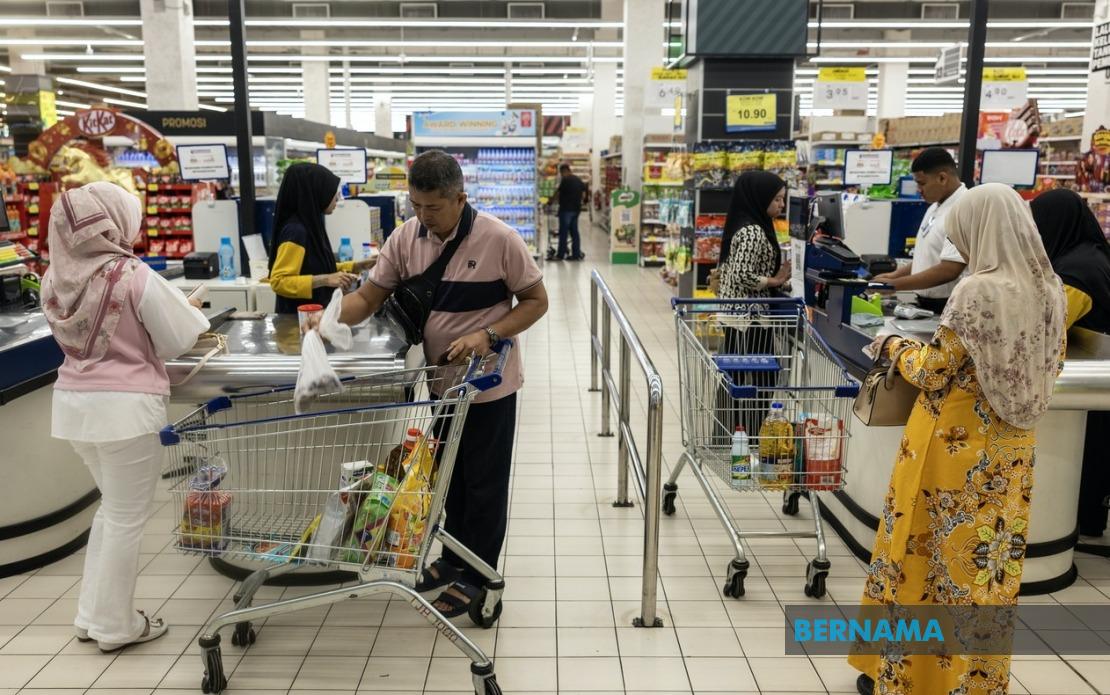
Malaysia's mySalam B40 National Protection Scheme is poised to provide critical health coverage to 9.15 million Sumbangan Tunai Rakmah (STR) recipients during 2026, according to Finance Minister II Datuk Seri Amir Hamzah Azizan. Speaking during parliamentary proceedings on June 30, the minister outlined the scheme's expansion and robust financial position as the government deepens its commitment to healthcare protection for lower-income Malaysians.
Since its establishment in 2019 through the end of last year, the scheme has distributed RM1.42 billion in payouts benefiting approximately 1.88 million individuals. This accumulation represents one of the largest social healthcare initiatives in Southeast Asia, demonstrating the government's substantial investment in ensuring that financial hardship does not prevent vulnerable populations from accessing medical treatment. The programme represents a deliberate policy shift toward preventive and protective social spending rather than crisis-driven interventions.
The financial sustainability of mySalam reflects careful management and growing utilisation among eligible beneficiaries. A remaining fund balance of RM490.9 million as of the end of 2025 provides substantial runway for continued operations, though parliamentary exchanges suggest refinement may occur before year-end. This buffer indicates that the government anticipated high claims volumes while maintaining sufficient reserves to weather unexpected demand spikes—a crucial consideration given Malaysia's ageing population and rising chronic disease prevalence among lower-income households.
What distinguishes mySalam's recent performance is the dramatic acceleration in claims uptake, signalling that awareness and accessibility have finally reached target communities. Nearly 300,000 individuals filed successful claims during 2025, generating RM276 million in payouts. This represented a sharp increase from 190,725 recipients in 2024, demonstrating that the scheme is achieving its core objective of reaching those most vulnerable to catastrophic health expenditures. For policymakers, this trajectory validates years of administrative effort spent establishing claim processes and educating beneficiaries.
Early 2026 figures illustrate sustained momentum. Through May alone, approximately 123,000 recipients had already received RM108 million in benefits, placing the annual pace well ahead of 2025 performance. This acceleration may reflect several factors: improved digital accessibility through online claim channels, word-of-mouth awareness spreading through B40 communities, and continued expansion of healthcare provider participation networks. For Malaysians earning below the B40 threshold, these figures translate into genuine protection against the medical bills that frequently drive households into deeper poverty.
The scheme's design and implementation carry particular significance for Southeast Asia, where many nations still lack comprehensive health protection for lower-income populations. Malaysia's mySalam model—combining targeted cash transfers with integrated health insurance—offers a template that addresses both immediate living costs and catastrophic health risk simultaneously. This integrated approach differs markedly from fragmented systems where social assistance and health protection operate as separate bureaucracies, often creating gaps that vulnerable families fall through.
When questioned on scheme extension beyond 2026, Amir Hamzah indicated that the matter remains under active review within government. With approximately RM290 million projected to remain after mid-year utilisation, the financial case for continuation appears straightforward. However, the minister's acknowledgment that refinements may occur suggests the government is considering whether the current scheme design fully serves evolving needs or whether modifications could enhance targeting, accessibility, or benefit adequacy. Such adjustments might involve expanding coverage scope, increasing individual benefit ceilings, or streamlining claim procedures further.
The parliamentary discussion also revealed government openness to learning from mySalam's operational experience. Both ruling coalition and opposition representatives inquired about the scheme's effectiveness, indicating cross-party recognition that health protection for low-income Malaysians represents settled policy rather than partisan debate. This consensus strengthens the likelihood of scheme continuation and potential enhancement, as legislative support typically translates into adequate budgetary allocation in Malaysia's political system.
For Malaysian readers, these developments carry practical implications. Those receiving STR payments should understand that mySalam eligibility is automatic based on 2026 criteria and does not require separate application. The scheme covers critical illnesses and hospitalisation costs, protection categories that historically create severe financial distress among B40 households. Awareness of the scheme's existence and claim procedures remains critical, as even generous programmes deliver limited benefit if eligible individuals remain unaware or uncertain about how to access coverage.
The broader context reveals Malaysia's evolving social protection architecture. Alongside STR payments, mySalam, and other targeted programmes, the government is constructing a safety net specifically calibrated for lower-income households. This represents departure from traditional models where social support relied primarily on subsidies and price controls. Instead, modern Malaysian social policy increasingly emphasises direct transfers and targeted insurance—approaches considered more efficient and equitable by international development experts.
Regional observers note that Malaysia's approach to B40 health protection outpaces many neighbouring economies. While Thailand and Indonesia maintain universal health systems, Malaysia's targeted protection specifically for lower-income populations provides additional security layers. This dual-system approach—universal basic coverage plus enhanced protection for vulnerable groups—reflects sophisticated social policy design. The challenge moving forward involves ensuring these systems remain fiscally sustainable while coverage adequacy keeps pace with healthcare cost inflation.
As discussions continue regarding mySalam's future, policymakers should consider evidence from the 2024-2026 period. Usage acceleration indicates that awareness barriers have substantially diminished and that beneficiaries find the scheme genuinely valuable. Rather than allow the programme to lapse, evidence suggests doubling down on promotion and refinement would yield better health outcomes for Malaysia's lower-income population. The financial position, strong uptake patterns, and cross-party political support all point toward continuation as the most prudent policy direction.

