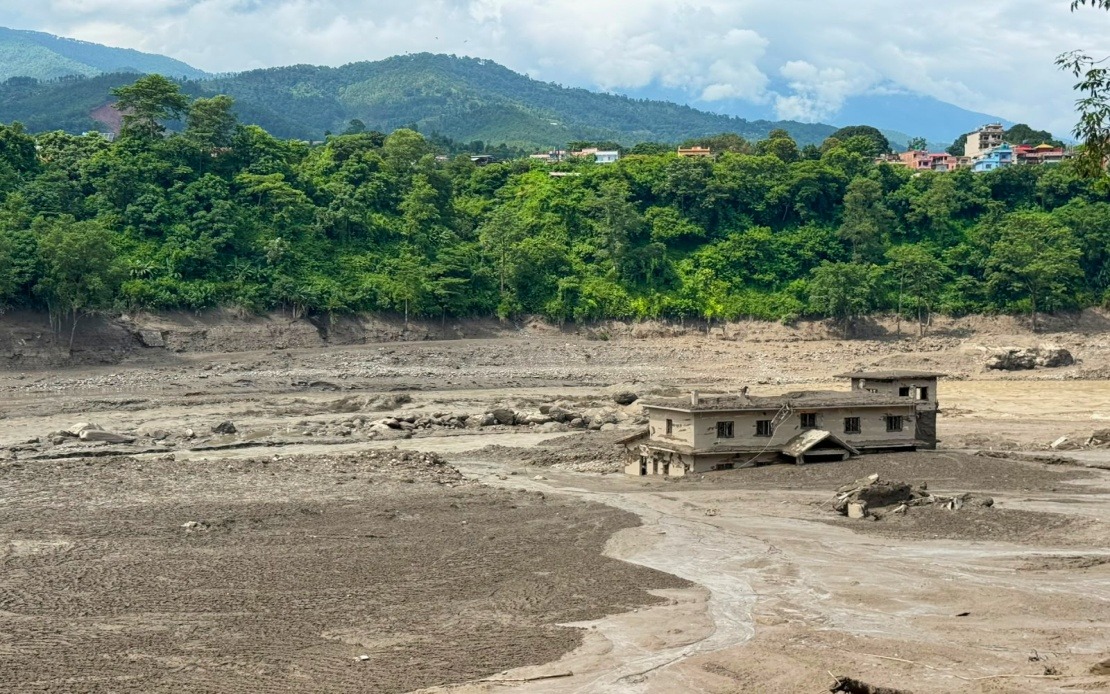
A major humanitarian crisis has emerged in Nepal following destructive flooding that has claimed numerous tourists among its victims. The Nepal Tourism Board confirmed on Wednesday that at least 384 individuals have been reported missing in areas affected by the disaster, marking one of the region's most significant tourism-related incidents in recent years. The scale of the disappearance underscores the vulnerability of travellers caught in natural disasters in mountainous terrain, where rescue operations face significant logistical challenges.
Among the missing are 291 foreign nationals and 93 Nepali citizens, according to official records released by the tourism authority. The board emphasized that these figures represent preliminary data collected from tourism operators and travel companies working in the affected regions. Verification procedures remain underway as officials coordinate with multiple stakeholders including travel agencies, local guides, municipal authorities, and security forces to establish a comprehensive and accurate accounting of all missing persons. This methodical verification process reflects the complexity of tracking visitors in remote areas where communication infrastructure may be compromised.
The nationality breakdown reveals the international scope of the disaster. More than 100 Indian citizens top the list of missing foreigners, reflecting the substantial flow of visitors from India to Nepal's tourist destinations. British nationals represent the second-largest group of missing international visitors, with 12 recorded as unaccounted for. South Africa has reported four missing citizens, while the United States accounts for three. Individual cases have also been documented involving an Australian and a Dutch national. However, approximately 111 additional missing persons have yet to have their nationalities confirmed, a factor that complicates international rescue coordination and diplomatic communication with relevant governments.
The presence of 17 missing Malaysians in the disaster zone carries particular significance for Malaysia and the Southeast Asian region. Malaysian tourists frequently visit Nepal, drawn to its mountainous landscapes, cultural heritage sites, and adventure tourism offerings. The exact circumstances and locations of the missing Malaysians remain unclear, though preliminary information suggests they were distributed across different tour groups and areas when the flooding struck. Malaysian authorities are likely coordinating with their Nepali counterparts and with Malaysian tour operators to determine the status and whereabouts of these citizens, with families back home anxiously awaiting updates.
The flooding itself represents a severe natural calamity for Nepal, a nation accustomed to managing water-related disasters during monsoon seasons but still vulnerable to catastrophic events. Authorities have issued high alerts for communities in downstream areas, warning of potential secondary flooding and landslides that could further complicate rescue efforts and claim additional victims. The mountainous topography that makes Nepal attractive to international tourists also makes it exceptionally difficult to conduct search and rescue operations, particularly in valleys and river systems where flood waters move with tremendous force.
Tourism constitutes a vital economic sector for Nepal, contributing significantly to national income and employment. Major trekking routes through the Himalayas, pilgrimage sites, and adventure sports destinations draw hundreds of thousands of visitors annually from across the globe. This disaster has immediate implications for Nepal's tourism industry, as the incident will likely deter some potential visitors and force tour operators to implement enhanced safety protocols. Insurance companies and travel insurers will face substantial claims related to the missing tourists and cancelled bookings.
The involvement of established travel agencies and professional guides in documenting the missing suggests that many affected tourists were participating in organized tours rather than independent travel. This factor may actually facilitate rescue efforts and identification, as tour operators maintain detailed itineraries, contact information, and group compositions. Conversely, it also means that tour companies face significant liability questions and reputational damage depending on how the incident unfolds and what investigations subsequently reveal about preparedness and emergency response procedures.
Regional tourism communities across South Asia are watching the situation closely. Similar flooding events have affected Nepal, India, and other Himalayan nations in recent years, raising broader questions about climate change impacts on mountain tourism and whether current disaster management frameworks adequately protect international visitors in vulnerable regions. The incident may prompt tourism associations and governments to reassess safety standards, guide training requirements, and emergency communication systems throughout the region.
The verification process undertaken by the Nepal Tourism Board will likely take weeks to complete as authorities cross-reference missing person reports with hospital admissions, confirmed deaths, and individuals who may have relocated to other areas. International cooperation will be essential, with embassies and consulates of affected nations providing assistance in confirming identities and locating missing citizens. Once the verification concludes, the true human cost of this disaster will become fully apparent, and attention will turn to investigating what warnings existed beforehand and whether those warnings reached tourists and tour operators effectively.

