The Parti Pesaka Bumiputera Bersatu Sarawak (PBB) is preparing for a landmark gathering in Sibu, where delegates from across its central zone will converge to address critical matters shaping the state's political and economic future. The Central Zone Special Convention, scheduled for July 26 at the Sibu Indoor Stadium, is expected to draw more than 3,000 representatives from 24 branches, underscoring the scale and significance of this intra-party assembly. The event will position the central zone as the pace-setter for PBB's regional convention calendar, with three additional zone conferences planned for the southern, Betong, and northern areas before year's end.
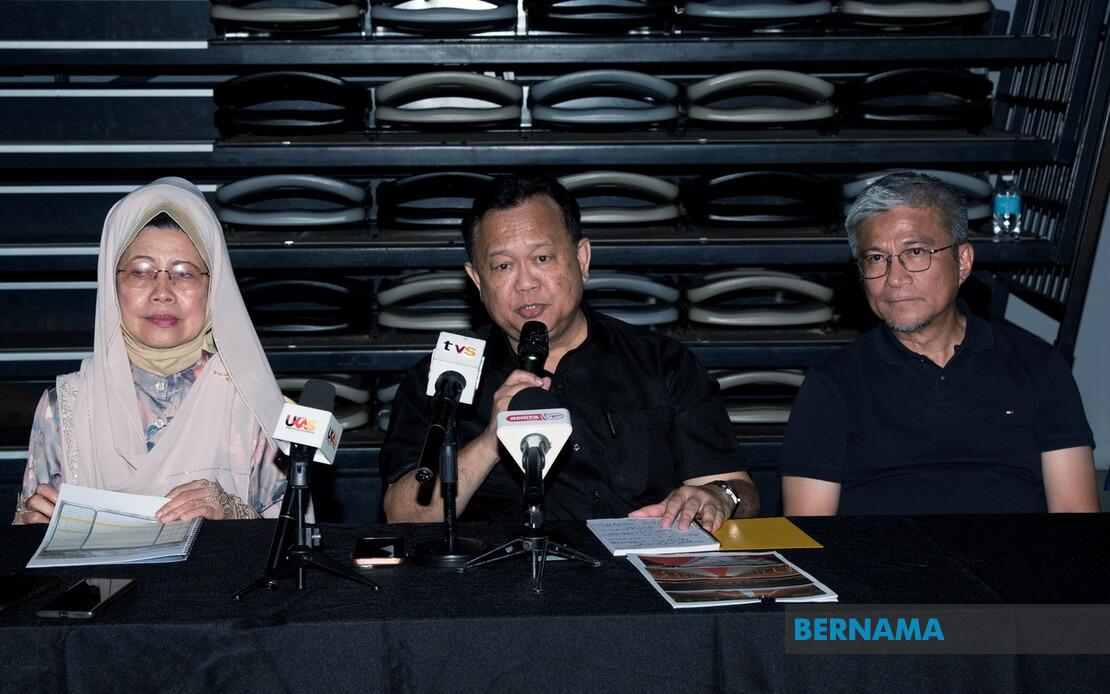
PBB's secretary-general, Datuk Seri Alexander Nanta Linggi, announced the convention schedule while confirming that the party's organising committee had convened to oversee logistical arrangements. His statement revealed that the party is committed to ensuring seamless execution across multiple fronts, reflecting the institutional importance placed on these zone-level deliberations. The staggered rollout across four zones suggests a strategic approach to building consensus and mobilising party membership sequentially, rather than attempting a single unwieldy gathering.
At the heart of the Sibu convention will be substantive policy discussions anchored on the Malaysia Agreement 1963 (MA63), a foundational constitutional compact between Malaya, Sabah, Sarawak, and Singapore that remains contentious within Sarawak's political discourse. The inclusion of MA63 as a convention highlight reflects PBB's continued engagement with sovereignty and federal-state relations—issues that resonate deeply with Sarawakian voters and party cadres. Given ongoing debates surrounding the interpretation and implementation of MA63's provisions on state autonomy, revenue sharing, and social services delivery, this presentation will likely serve as both educational outreach and an assertion of PBB's stewardship of Sarawak's constitutional interests.
Complementing the MA63 agenda, the convention will feature presentations on the Post COVID-19 Development Strategy 2030 (PCDS 2030), signalling PBB's pivot toward economic recovery and longer-term growth planning in the post-pandemic era. This dual emphasis—on constitutional safeguards and developmental vision—positions the party as simultaneously protective of Sarawak's historical bargains with the federal centre while forward-looking in charting a prosperity pathway. The strategy framework suggests PBB's recognition that rebuilding state capacity and economic dynamism must proceed in tandem with reasserting Sarawak's political prerogatives.
Beyond the headline topics, the agenda encompasses broader political matters, indicating that convention speakers will likely address intra-party dynamics, electoral strategy, and the party's positioning within Sarawak's competitive party system. This breadth reflects a convention designed to educate the grassroots membership on strategic priorities while creating space for bottom-up feedback and deliberation. For a party that governs Sarawak and commands substantial legislative presence, such forums serve as crucial connective tissue between leadership and membership, allowing rank-and-file delegates to voice concerns and absorb party messaging before disseminating it within their respective communities.
Sarawak Premier Tan Sri Abang Johari Tun Openg, who holds the dual position of PBB president, will officiate the convention and deliver the keynote address to delegates. His presence underscores the event's political salience and provides an opportunity for the premier to outline his administration's vision to the party faithful. As the state's chief executive and PBB's titular head, Abang Johari's address will likely weave together governance accomplishments, sectional interests, and forward-looking narratives designed to energise party activists ahead of likely electoral contests.
The convention's timing and scale merit contextual consideration within Sarawak's broader political environment. PBB remains the dominant component of the ruling coalition, but faces competition from other Bumiputera-focused parties and must manage internal factional pressures. By hosting sequential zone conventions, the party demonstrates organisational vitality and commitment to inclusive deliberation—factors that burnish its legitimacy claim among party members and the wider electorate. The investment in preparing 3,000 delegates from 24 branches reflects confidence in the party's institutional machinery and its capacity to mobilise membership around collectively defined objectives.
For Malaysian observers beyond Sarawak, this convention illustrates the continuing importance of zone-based and state-level political organisation within the peninsula's larger parties. While national politics often dominate media coverage, regional and state parties sustain themselves through precisely these kinds of grassroots gatherings, where policy frameworks are disseminated and member engagement is fostered. PBB's approach—holding four separate zone conventions rather than a single state-wide gathering—suggests a deliberate strategy to maximise participatory opportunities and adapt messaging to local contexts.
The convention also reflects evolving priorities within Sarawak's political economy. The emphasis on MA63 and post-COVID development strategy signals that PBB views the coming years as a critical juncture for asserting Sarawak's development ambitions while protecting its constitutional position. Economic recovery, infrastructure investment, and resource management will likely dominate discussions as the state seeks to leverage its natural assets and geographic position within a competitive Southeast Asian context. Whether these policy priorities translate into tangible governance outcomes will partly depend on the party's ability to mobilise delegate commitment and build internal consensus around implementation strategies.
The Sibu convention represents more than a routine party gathering; it constitutes a significant moment for PBB to reaffirm its organisational coherence, articulate its governing philosophy, and energise its membership. The attendance of over 3,000 delegates from 24 branches indicates substantial logistical coordination and demonstrates PBB's continued capacity to convene its grassroots. As Sarawak navigates post-pandemic recovery and faces evolving electoral dynamics, such assemblies serve as critical venues for party renewal and strategic alignment between leadership and membership.

