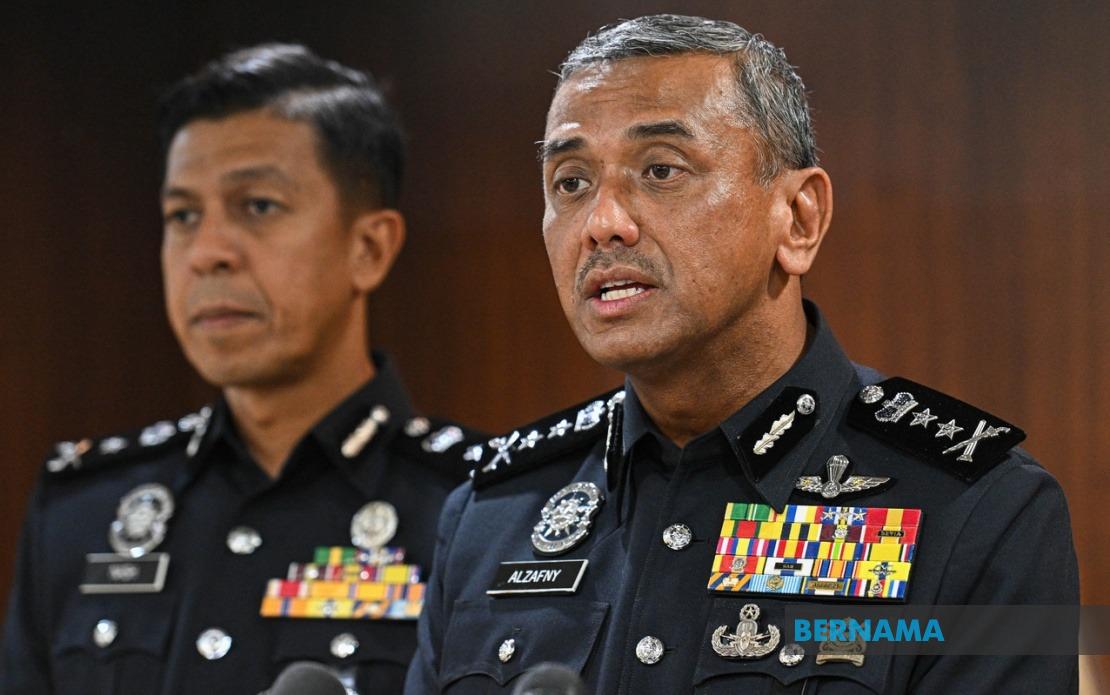
The Negeri Sembilan state election will see unprecedented participation from uniformed services, with the Royal Malaysia Police and Malaysian Armed Forces mobilising over 22,000 eligible voters for early polling. This significant contingent reflects the substantial security presence required to oversee the 16th state election, which will determine the political direction of the state. The early voting exercise represents a logistical undertaking that underscores the electoral process's complexity when operating personnel need accommodation in the voting schedule.
According to Negeri Sembilan police chief Datuk Alzafny Ahmad, the breakdown reveals that 5,455 personnel from the Royal Malaysia Police will participate in early voting alongside 16,884 Malaysian Armed Forces members and their respective spouses. This composition highlights the significant military footprint in the state, where armed forces families constitute the majority of the early voters. The inclusion of spouses ensures that security personnel can maintain continuous operations without disrupting family voting rights, a pragmatic approach that balances national security needs with democratic participation.
The deployment strategy for maintaining order during the election cycle extends well beyond the early voting day itself. The police have allocated 1,796 officers and personnel specifically for July 28 early polling duties, distributed across all operational zones throughout Negeri Sembilan. This focused deployment ensures that voting procedures can be conducted smoothly and that security measures remain unobtrusive while remaining vigilant. The strategic positioning of personnel during early voting reflects lessons learned from previous electoral exercises in Malaysia.
Security preparations intensify as the election progresses through its various phases. On nomination day this coming Saturday, the police force will increase deployment to 2,393 personnel, indicating heightened vigilance during the candidate registration period when political activity peaks and rival factions converge. Throughout the campaign period leading to polling day, 1,685 officers will maintain a continuous presence across constituencies, while the final push on August 1 will require 4,788 personnel stationed at polling stations nationwide. This graduated deployment approach allows authorities to concentrate resources precisely when and where electoral tensions may emerge.
Datuk Alzafny Ahmad has issued stern reminders to all political parties contesting the election, emphasising that campaign conduct must adhere to strict standards of civility and responsibility. Candidates and their supporters must exercise discipline and self-restraint throughout the campaign period to ensure that the electoral process remains peaceful, orderly, and reflects the harmonious values that Malaysian democracy aspires to uphold. The police chief's intervention signals that authorities will not tolerate breaches of electoral conduct norms and stand ready to enforce compliance.
The police have specifically targeted several categories of behaviour for prohibition and monitoring. Unauthorised processions, the deliberate spread of misinformation, slanderous attacks, hate speech, and statements designed to divide communities along sectarian lines all fall within the prohibited conduct framework. Political speeches, campaign materials distributed by candidates and parties, media statements, and social media content will all be scrutinised to ensure compliance with these standards. This comprehensive monitoring approach reflects the police force's understanding that election-related tensions in Malaysia often manifest across multiple platforms and channels.
Matters involving religion, race, and the institution of the Malay Rulers occupy a particularly sensitive position within Malaysia's electoral framework, and the police have signalled that violations in these spheres will receive heightened attention. These three domains—referred to as 3R in official terminology—represent constitutional and cultural foundations of Malaysian society, and their protection supersedes partisan political interests. Campaign participants who venture into contentious discussion of these domains risk police action regardless of their political standing or electoral importance. This emphasis reflects the delicate balance between free speech and national stability that Malaysia maintains.
The police message extends beyond enforcement toward behaviour modification, urging all candidates, their supporters, and the general public to demonstrate political maturity by accepting electoral outcomes with grace and dignity. Once the Election Commission announces official results, the police expect all parties to respect the democratic verdict without qualification. Any disputes or objections must proceed through established legal mechanisms rather than through protests, blockades, or street action that could endanger public safety. This conditional framing of electoral acceptance acknowledges that losing gracefully remains an acquired skill within any democracy.
The Election Commission has structured the Negeri Sembilan campaign around three key dates that will shape the electoral narrative. Nomination day this Saturday will mark the formal commencement of the contest, followed by the early voting exercise on July 28 that will allow security personnel and designated groups to participate. The final polling day on August 1 will determine the composition of the Negeri Sembilan state assembly and the direction of the state government. These carefully sequenced dates provide a compact timeline that maintains momentum while allowing adequate preparation across all election administration layers.
For Malaysian readers and observers following this election closely, the substantial security presence and elaborate deployment strategy underscore the importance that authorities attach to maintaining electoral integrity and public order. Negeri Sembilan's state election occurs within a broader context of Malaysian politics where election conduct has occasionally proven contentious. The police's proactive messaging and comprehensive deployment planning suggest that authorities have learned from past incidents and are determined to prevent any repetition of disruptions that previously marred electoral exercises. The early participation of over 22,000 security personnel also demonstrates Malaysia's commitment to ensuring that those who safeguard the nation's security can exercise their democratic rights without compromising their duties.

